Armenia election disinformation 'neither surprise nor effective': expert
Richard Giragosian tells France 24 that fake news originating from Moscow failed to sway the political landscape or catch Armenian authorities off guard.
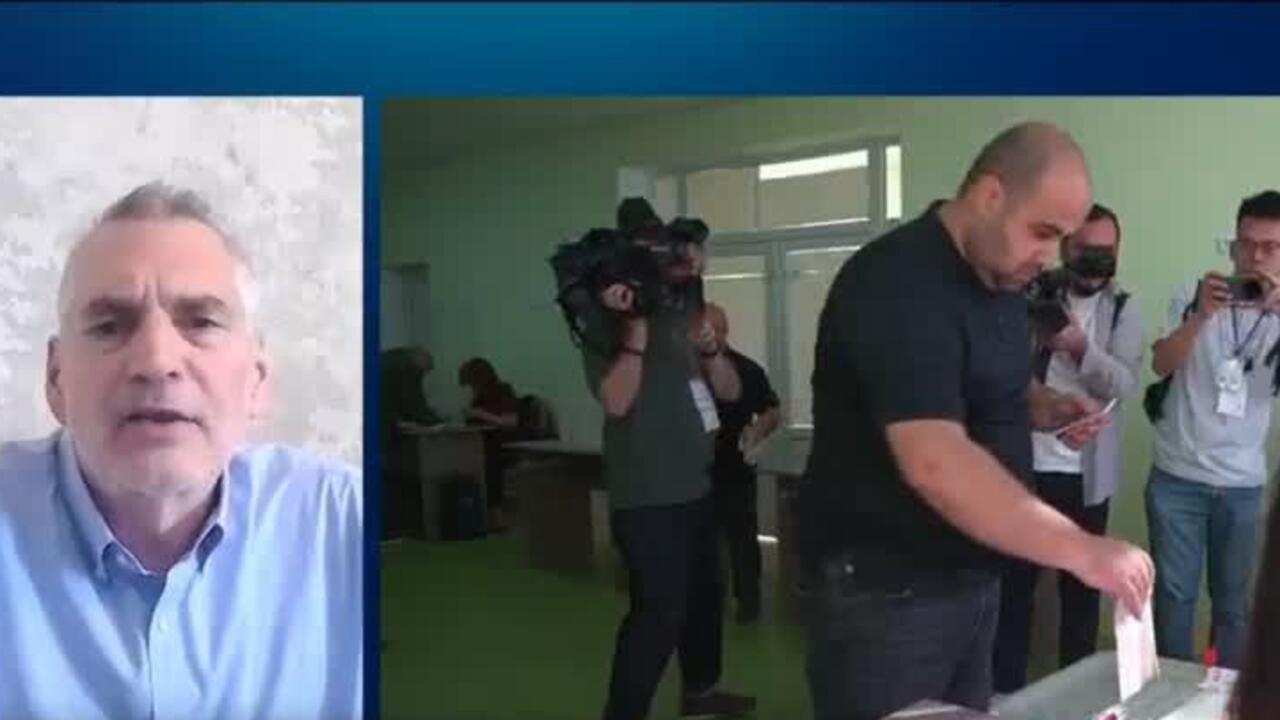
Richard Giragosian, the founding director of the Regional Studies Center, has assessed that disinformation campaigns originating from Russia during Armenia’s recent legislative elections were predictable and lacked significant impact. Speaking to France 24 International, Giragosian characterised the spread of fake news as neither a surprise to observers nor effective in altering the political outcome.
The expert’s comments come in the wake of Armenia’s legislative elections, which took place in June 2026. According to Giragosian, the Russian-originated narratives circulating during the voting period were anticipated by analysts and failed to achieve their intended influence on the electorate or the broader political discourse.
Giragosian’s assessment suggests a degree of resilience within the Armenian political environment regarding external information operations. By describing the disinformation as ineffective, the founding director of the Regional Studies Center implies that the mechanisms for detecting or mitigating such interference were already in place or that the public was sufficiently discerning to disregard the fabricated content.
The report, originally published by France 24 International on 7 June 2026, highlights the ongoing geopolitical tensions surrounding Armenia’s electoral processes. While the specific metrics used to determine the ineffectiveness of the campaign were not detailed in the initial report, the expert’s conclusion points to a failure of the disinformation strategy to gain traction.
This evaluation places the recent electoral period within a broader context of information security concerns in the region. As Armenia navigates its legislative cycle, the ability to withstand external narrative pressure appears to have been maintained, according to Giragosian’s analysis of the events.