Armenia and US formalise strategic partnership and critical minerals framework
The agreement grants Washington a 74 per cent stake in the transit route, deepening Yerevan’s Western alignment and drawing sharp criticism from Moscow over energy security.
Armenia has signed a comprehensive strategic partnership agreement with the United States, cementing a significant shift in Yerevan’s geopolitical orientation ahead of critical parliamentary elections in June. The deal, formalised on Tuesday in the capital, includes a framework on critical minerals and the establishment of a new transit corridor, marking the deepest institutional integration between the two nations to date.
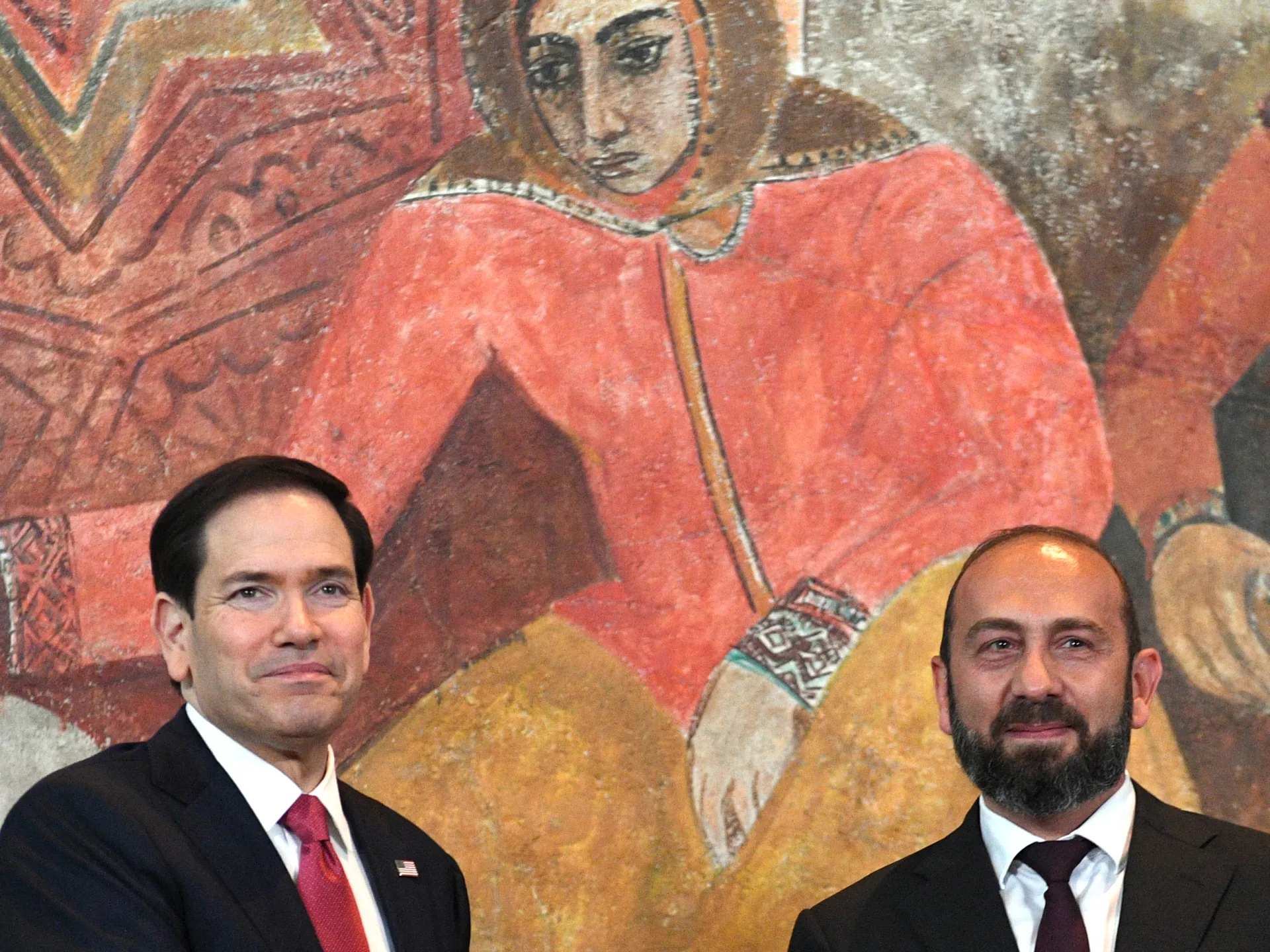
The signing ceremony at Yerevan airport was attended by US Secretary of State Marco Rubio and Armenian Foreign Minister Ararat Mirzoyan. Rubio described the agreement as the “biggest step to date” in realising the Trump Route for International Peace and Prosperity (TRIPP), a 43-kilometre corridor designed to provide Azerbaijan with direct access to its Nakhchivan exclave and Turkiye.
Under the US State Department framework governing the transportation corridor, the United States will retain a 74 per cent share in the TRIPP Development Company. The agreement includes an explicit pledge to benefit US companies, reflecting an administration that has cast its relationship with Yerevan in largely economic terms. Rubio stated the initiative aims to create mutual prosperity, binding the nations through shared commercial interests.
The move intensifies tensions with Russia, a longtime security partner of Armenia. Moscow has threatened to raise gas prices for Armenia in response to Yerevan’s pursuit of greater integration with Western countries. This diplomatic realignment follows Armenia’s decision to turn towards the West after the 2023 conflict in the Nagorno-Karabakh region, a shift further evidenced by joint military drills conducted between the US and Armenia last year.
Prime Minister Nikol Pashinyan faces a challenging political landscape as he heads into the June parliamentary polls, where he must contend with opposition from pro-Russia parties. Despite the domestic political risks, Mirzoyan reaffirmed that comprehensive strategic relations between the two nations are “stronger than ever,” signalling Yerevan’s commitment to the new partnership regardless of external pressure from Moscow.