Archaeological dig reveals two millennia of history beneath Notre Dame square
Workers preparing the square in front of Notre Dame Cathedral for new trees and shade have initiated a significant archaeological survey, revealing approximately 2,000 years of historical artefacts and stratigraphy.
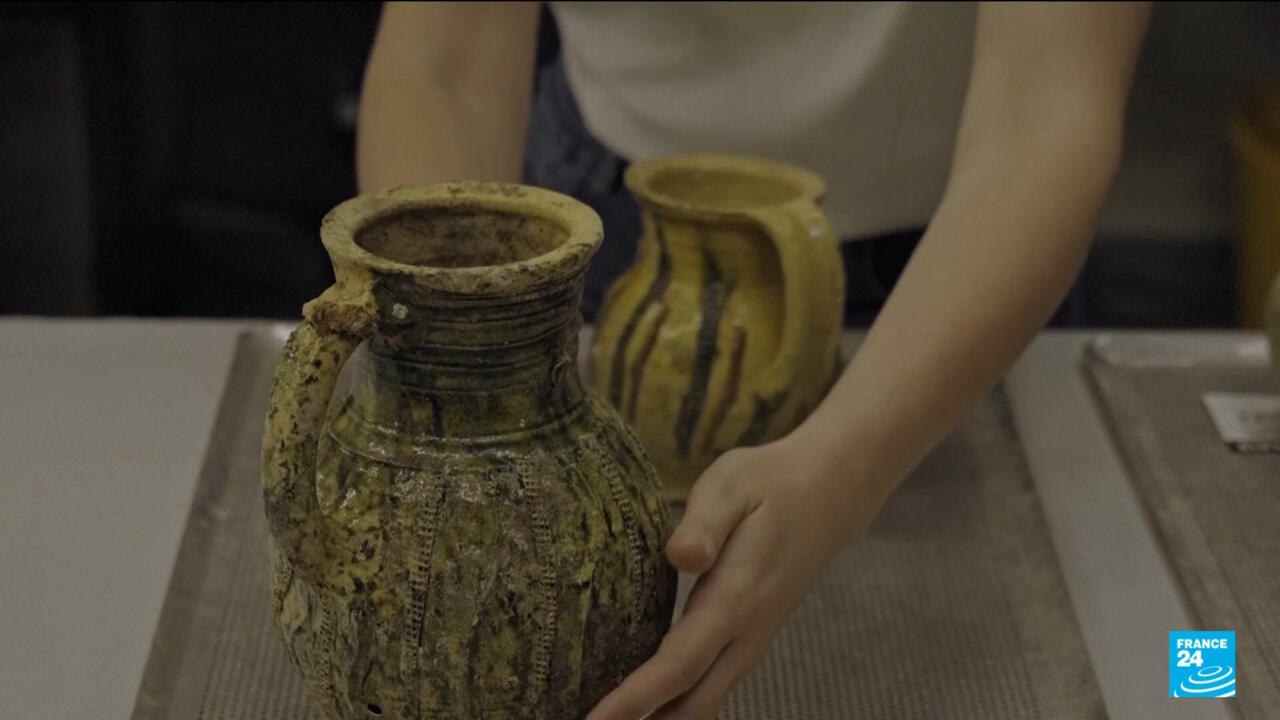
Archaeologists have commenced a substantial excavation beneath the square directly in front of Notre Dame Cathedral in Paris. The dig is being conducted to prepare the site for the installation of new trees and shade structures, part of ongoing efforts to enhance the public space surrounding the iconic landmark.
The work is uncovering approximately 2,000 years of historical layers. According to reports from France 24 International, the excavation is taking place in the underground spaces near the cathedral, a detail that remains largely unknown to the general public despite the site's high profile.
This archaeological activity is occurring while the cathedral remains a major tourist destination. Notre Dame reopened to the public in 2024 following a devastating fire, and the square has since become one of Paris’s most visited locations. The current landscaping project aims to improve the visitor experience through the introduction of greenery and improved shading.
The excavation represents a distinct phase of development separate from the structural restoration of the cathedral itself. While the building’s recovery from the fire has been widely documented, the subterranean work in the adjacent square is a newer development focused on urban planning and historical preservation.
The specific types of artefacts or precise historical periods uncovered during the initial stages of the dig have not been detailed in available reports. Similarly, the exact timeline for the completion of the archaeological survey and the subsequent planting of trees remains unspecified.