Apple Vision Pro finds its footing in the operating theatre
Stryker’s mixed-reality software has completed its first real-world clinical trial, offering a potential commercial pathway for Apple’s struggling headset.
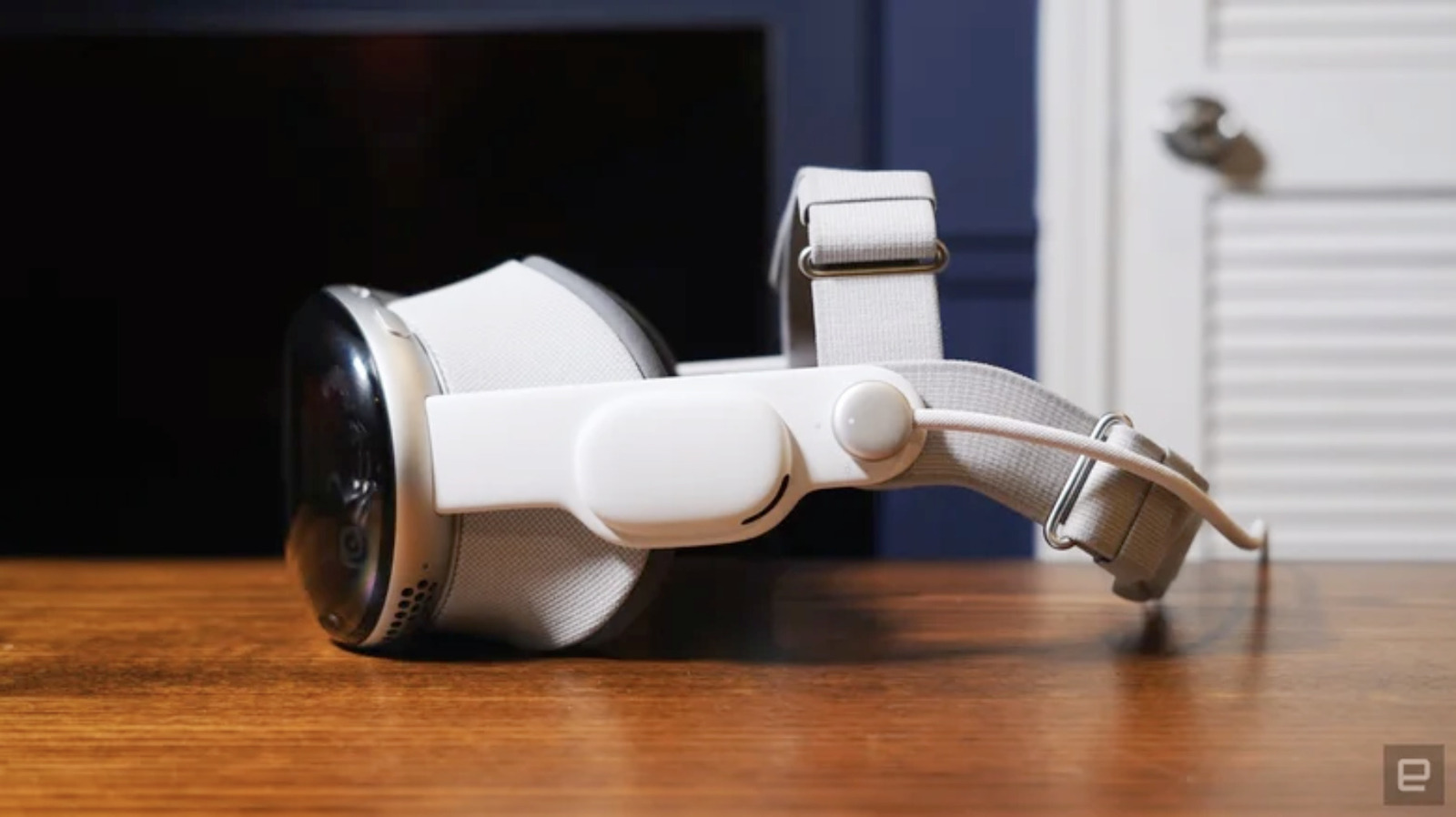
Medical technology firm Stryker has announced that its SportSuite Vision software, designed for the Apple Vision Pro, was utilised during a hip arthroscopy at Duke Health. The procedure marks the first time the software has been deployed in a real-world clinical setting, representing a significant milestone for the mixed-reality platform.
The software, which received De Novo authorisation from the US Food and Drug Administration on 17 July, allowed surgeons to access orthopaedic planning tools, arthroscopic images, and CT imaging directly within the sterile field. This integration of digital data with the physical operating environment highlights the device’s utility in complex medical procedures.
Dr. Chad Mather III, the orthopaedic surgeon at Duke Health who conducted the procedure, noted that the spatial computing capabilities allowed him to customise the placement of key clinical information to fit his workflow. He stated that this approach helped create a more comfortable and streamlined operating room setup while keeping essential data in view.
The development comes at a pivotal moment for the Apple Vision Pro, which has yet to secure a mainstream consumer audience. The debut model and the subsequent M5 version have been viewed as devices pointing toward a hypothetical future, waiting for the right application to justify their premium cost and specialised software requirements.
However, the commercial outlook for the headset remains complicated by recent corporate restructuring. Apple reportedly laid off a significant portion of its Vision Pro team last month, a move that raises questions about the device’s long-term adoption trajectory. Despite these headwinds, the successful use of the headset in a surgical setting suggests a viable niche in high-stakes medical environments.
For investors and industry observers, this inaugural operation serves as a proof of concept for mixed reality in healthcare. While it is unlikely that primary care physicians will adopt the technology in the near term due to cost and development challenges, the Duke Health procedure demonstrates the creative potential of the platform in specialised fields.