Apple to embed privacy controls in revamped Siri ahead of WWDC2026
Bloomberg’s Mark Gurman reports that the upcoming Siri update, debuting at WWDC2026, will offer granular retention settings and system-level privacy protections rather than optional incognito modes.
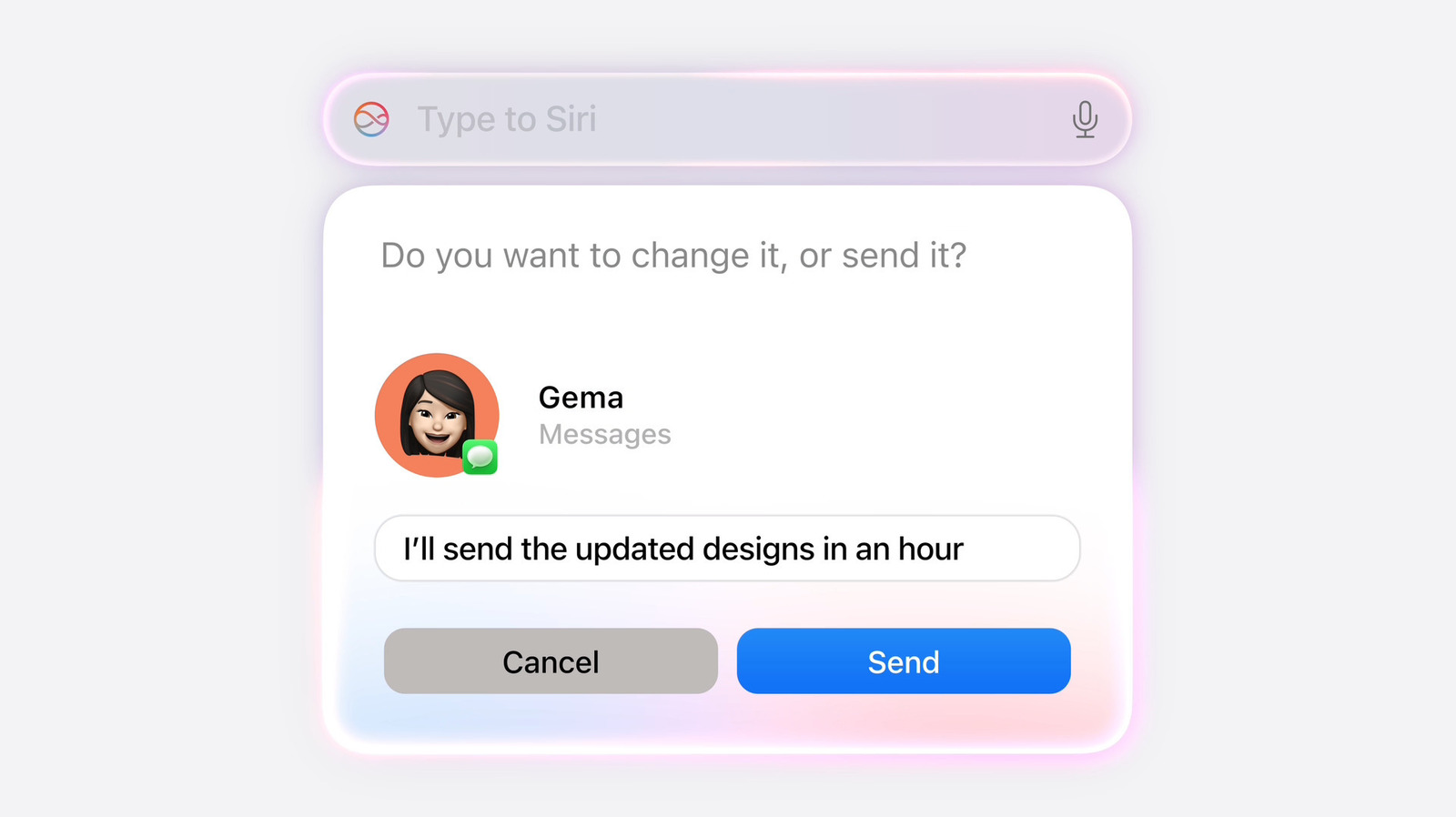
Apple is reportedly developing a significant overhaul of its Siri application, introducing features that prioritise user privacy through strict data retention controls. According to a report by Bloomberg’s Mark Gurman, the revamped app will allow users to automatically delete chat logs after 30 days, one year, or retain them indefinitely. This functionality mirrors the auto-deleting options already available in Apple’s Messages app, extending the company’s privacy-first architecture to its AI assistant.
The update will also provide users with the ability to toggle whether Siri retains context from previous conversations or initiates a fresh chat session without prior history. This level of control is designed to address growing concerns regarding the use of chat logs in legal proceedings, a risk that has affected other AI chatbot providers. While competitors such as ChatGPT have introduced optional incognito modes like Temporary Chat, Apple’s reported stance is that privacy protections should be ingrained in the system by default rather than offered as an optional setting.
A key differentiator in Apple’s approach is its method of artificial intelligence training. Gurman noted that Apple utilises synthetic data generation for its AI models rather than ingesting real user data. This restrictive approach contrasts sharply with most Large Language Models (LLMs), which typically consume personal data from chats to tailor future responses and enhance model performance. By avoiding the collection of real user data, Apple aims to mitigate the privacy risks associated with data retention and potential legal exposure.
The move may position Apple’s AI capabilities differently in the market, potentially accepting a trade-off where its AI falls behind competitors in terms of personalised responsiveness due to the lack of real user data. However, the company appears willing to market this limitation as a direct byproduct of its commitment to user privacy. This strategy aligns with Apple’s long-standing history of prioritising data protection, distinguishing its brand identity in an industry where data accumulation is standard practice.
The new Siri application is expected to make its debut at WWDC2026, which is scheduled to commence on 8 June. Until the official announcement, the specific implementation details of the synthetic data generation process and its impact on Siri’s performance relative to rivals remain unconfirmed. The upcoming developer conference will likely reveal the full scope of the revamped assistant and how Apple intends to balance privacy with functional AI capabilities.
