Apple Silicon efficiency eliminates need for fans in MacBook Air M5
As Apple continues its transition from Intel to proprietary silicon, the fanless MacBook Air M5 offers silent operation and improved weight, though professional users may still require the actively cooled MacBook Pro for sustained performance.
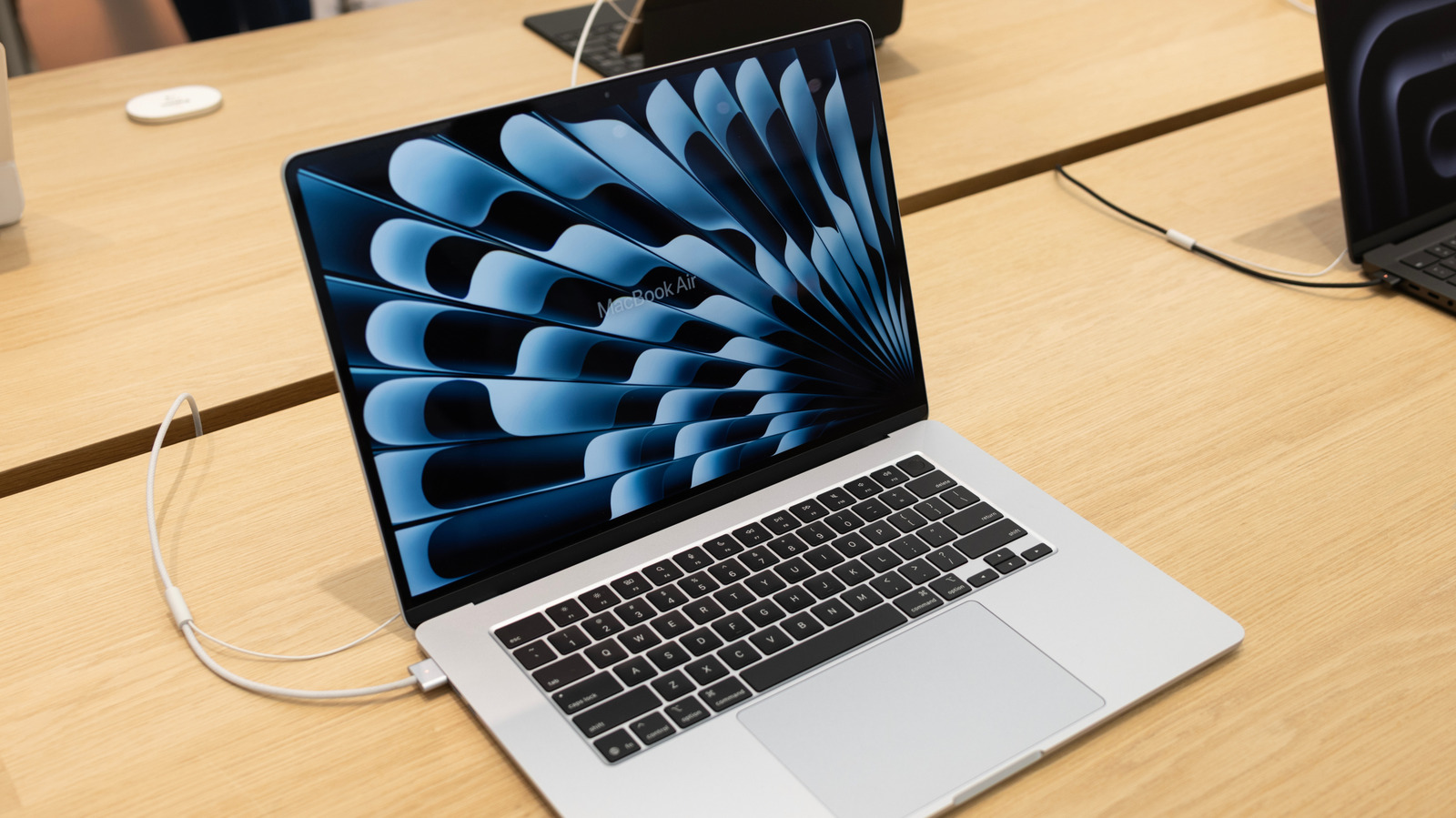
Apple has confirmed that the absence of active cooling fans in its MacBook Air line is a direct result of the high power efficiency inherent in its proprietary Apple Silicon M-series processors. Since the introduction of the M1 chip in late 2020, the company has replaced Intel processors with its own silicon, allowing it to eliminate fans from its thinnest portable Macs. This architectural shift has enabled the MacBook Air M5 to operate in total silence during everyday computing tasks, a significant departure from the noisy operation common in previous generations.
To manage heat without mechanical assistance, newer models such as the MacBook Air M5 utilise a passive heat spreader that dissipates thermal energy through the aluminium chassis. This engineering approach not only ensures quiet operation but also contributes to a reduction in overall device weight. The fanless MacBook Air M5 weighs 2.7 lbs, a slight decrease from the 2.8 lbs recorded in the last Intel-based 2020 model. Additionally, the removal of fans has allowed Apple to slightly improve battery life across recent iterations of the Air.
However, the passive cooling design presents distinct trade-offs for users engaged in demanding workloads. The lack of active airflow can lead to thermal throttling, a mechanism where macOS downclocks processor speeds to maintain reasonable temperatures when the CPU is under heavy load. This performance reduction can manifest as longer video export times or dropped frames during intensive tasks such as 4K video editing. Consequently, the MacBook Air M5 may feel noticeably warmer on its underside during sustained heavy loads compared to older models with active cooling.
For professional users requiring sustained high performance, Apple suggests the actively cooled MacBook Pro as a more suitable alternative. The MacBook Pro M5 features an active cooling system that mitigates thermal throttling at 100 per cent load, making it preferable for creatives who regularly export large files. Beyond thermals, the Pro offers a superior Mini-LED 120Hz panel compared to the standard LCD Liquid Retina 60Hz display found on the Air M5. It also provides a more robust connectivity suite, including three Thunderbolt ports, an HDMI port, and an SDXC card slot, whereas the Air M5 is limited to two Thunderbolt ports.
The decision between the two models ultimately hinges on budget and workflow requirements. The MacBook Air M5 starts at $1,299 for the 13-inch version, offering a balance of performance and price for average users. In contrast, the MacBook Pro M5 starts at $1,999 for the 14-inch model, representing a significant price premium. While the Pro’s active cooling and enhanced specifications justify the cost for professionals, the additional expenditure may not be necessary for everyday users who prioritise portability and silence over sustained peak performance.