Apple shifts smart glasses launch to 2027, banking on privacy to differentiate from Meta
Reports indicate Apple is delaying its first wearable glasses release to ensure on-device processing and avoid controversial features like facial recognition, aiming to protect its brand reputation amidst growing scrutiny of competitor devices.
Apple intends to unveil its first smart glasses at the Worldwide Developers Conference (WWDC) next June, with a commercial launch targeted for the end of 2027. According to reporting by Mark Gurman, the delay from earlier expectations is partly attributed to the company’s efforts to finalise privacy features and messaging protocols. This timeline shift underscores Apple’s strategy to prioritise data protection over rapid entry into the wearable market.
The decision to postpone the launch reflects significant internal concerns regarding user privacy, which engineering teams have identified as the primary focus for the new hardware category. Smart glasses, particularly those from Meta, have faced public controversy regarding their ability to capture photos and videos discreetly. Gurman notes that simply entering the same category as Meta risks undermining Apple’s reputation, regardless of how its approach differs, given the company’s decade-long emphasis on privacy as a defining product message.
To distinguish its product from competitors, Apple is reportedly utilising on-device processing and avoiding features such as facial recognition and always-on recording. The company is also exploring software protections, including disabling recording functions if the system detects tampering with the recording indicator light. Furthermore, Apple intends to avoid using customer recordings to train AI models, a move designed to mitigate concerns about data exploitation.
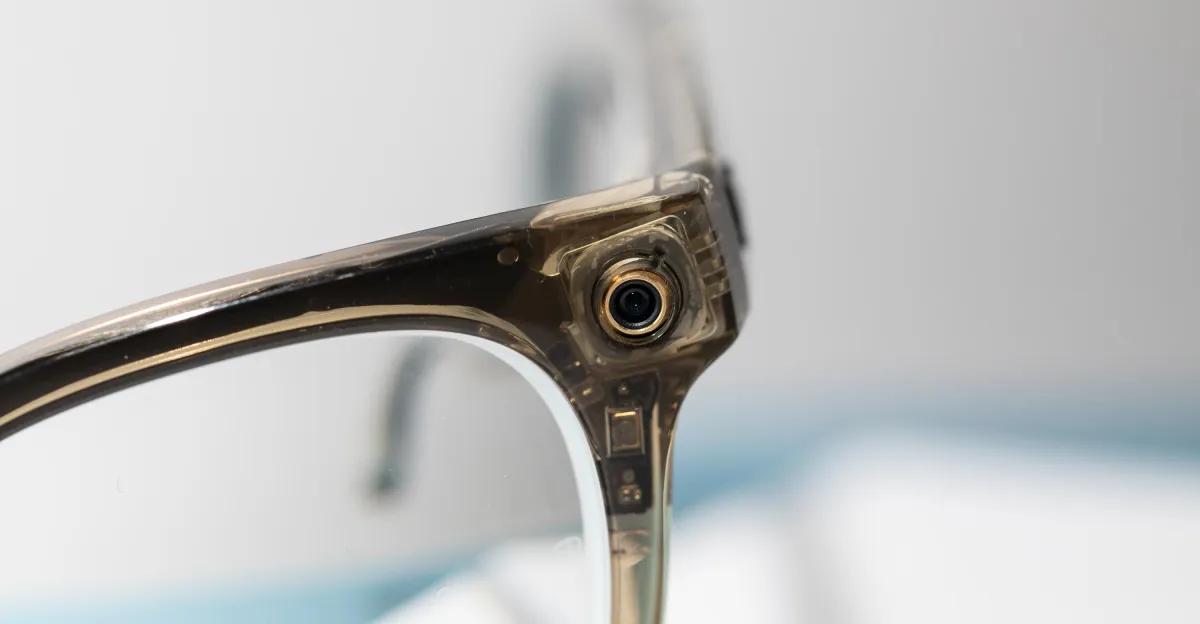
Hardware modifications are also under consideration to address these privacy mandates. Reports suggest the device may eventually be released without a camera, or with a sensor exclusively for environmental detection that cannot capture photos or video. This approach mirrors rumours surrounding Apple’s AI-enabled AirPods, where sensors are restricted to specific functions rather than general-purpose capture.
The exact specifications of the smart glasses remain unconfirmed, including whether a camera-less version will be available at launch or in a future iteration. The commercial launch timeline is based on reporting and may change as development progresses. Apple’s strategic positioning aims to balance innovation with strict privacy controls, differentiating itself in a market increasingly sensitive to surveillance concerns.