Apple previews Vision Pro wheelchair control and AI accessibility updates
New capabilities for the Apple Vision Pro include motorised wheelchair integration via TOLT and LUCI systems, alongside Apple Intelligence-powered enhancements to VoiceOver, Magnifier, and generated subtitles.
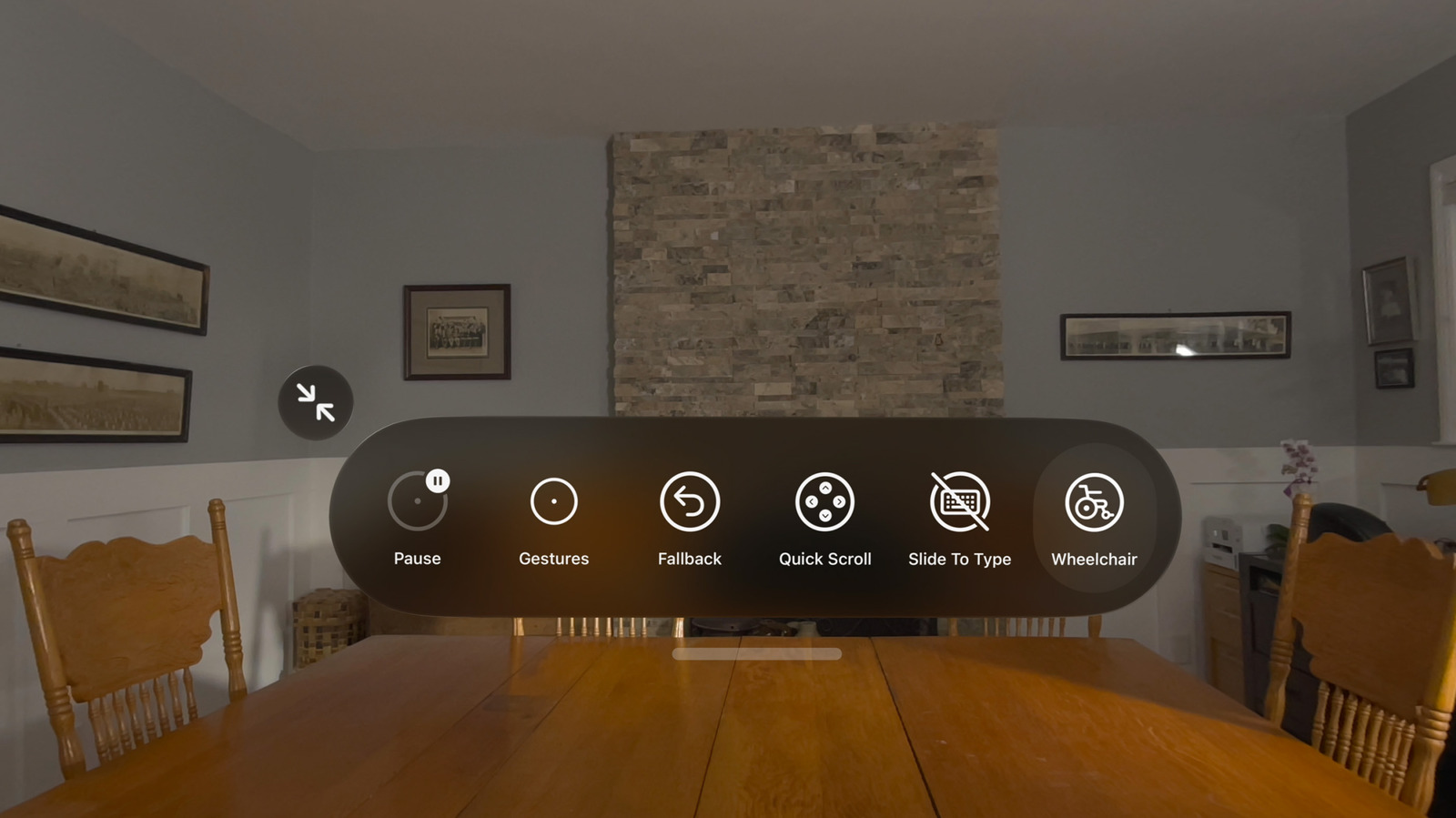
Apple has previewed a suite of new accessibility enhancements for the Apple Vision Pro and its broader ecosystem, timed ahead of Global Accessibility Awareness Day on 21 May. The announcement highlights a system allowing users to control motorised wheelchairs via the headset’s precision eye-tracking technology, alongside a range of Apple Intelligence-powered updates designed to improve independence for users with motor or visual impairments. The features are expected to arrive later this year.
The headline mobility feature enables responsive input for compatible alternative drive systems, specifically TOLT and LUCI. According to the company, the system does not require frequent recalibration and functions in various lighting conditions, supporting both Bluetooth and wired connections. Pat Dolan, founder of GeoALS and a person living with ALS, provided a testimonial regarding the feature, describing the option to control a power wheelchair independently as "gold."
Beyond mobility, Apple is embedding Apple Intelligence into core accessibility tools to enhance navigation and information processing. VoiceOver’s Image Explorer will utilise the technology to provide detailed, system-wide descriptions of images, including photos, scanned bills, and personal records. Live Recognition updates allow users to press the iPhone Action button to ask questions about camera viewfinder content, while the Magnifier app will offer visual descriptions and spoken control via the same button.
Voice Control is receiving a significant update with the introduction of natural language input. Users will be able to describe onscreen elements using everyday language, such as "tap the purple folder," rather than memorising exact labels or numerical commands. This flexibility is designed to assist users navigating apps with visual layouts, such as Apple Maps or Files, particularly where elements may not be correctly labelled for accessibility.
Additional AI-driven updates include an enhanced Accessibility Reader capable of summarising complex material like scientific articles with multiple columns and tables, and a new built-in translation feature that retains custom formatting. The company also announced on-device generated subtitles for un-captioned videos across iPhone, iPad, Mac, Apple TV, and Vision Pro, a process designed to maintain privacy by keeping data processing local to the device. Apple CEO Tim Cook stated that the company is bringing these capabilities into accessibility features while maintaining its foundational commitment to privacy by design.
