Apple develops proprietary system to authenticate iPhone photos against deepfakes
The tech giant is building a verification mechanism that operates similarly to the C2PA standard, though it has previously avoided adopting the industry benchmark.
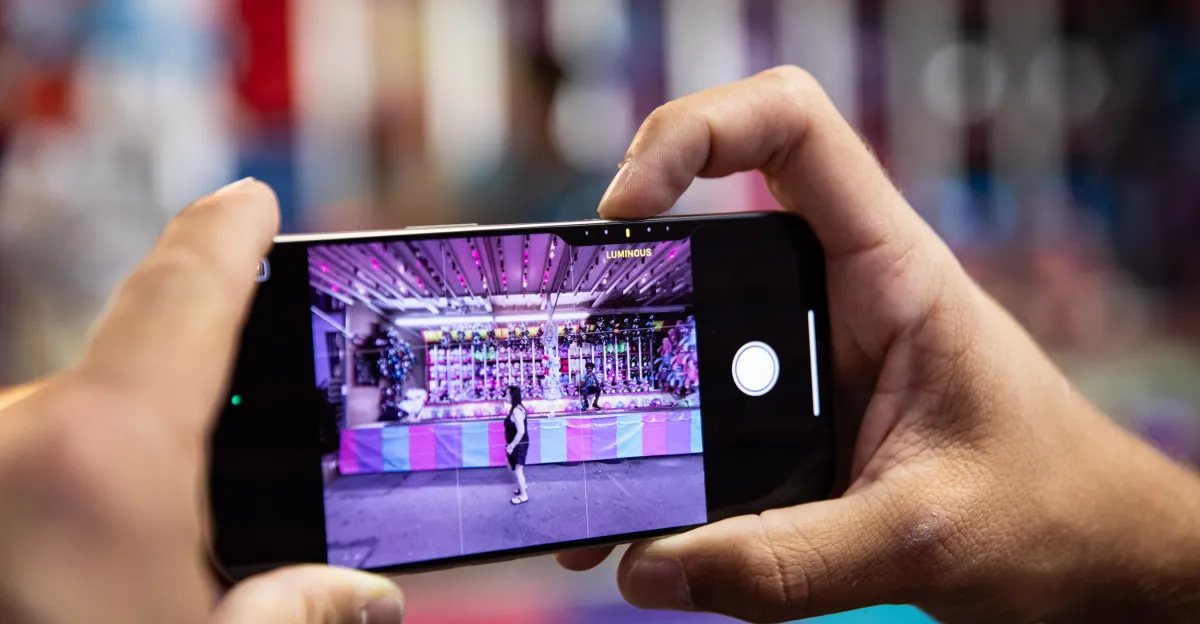
Code references embedded within the iOS 27 beta 5 indicate that Apple is developing an 'Apple Reference Image' system designed to embed provenance metadata into iPhone photographs at the point of capture. The feature aims to allow users to authenticate images by verifying sensor signatures, capture time, and hardware identifiers through Apple’s Private Cloud Compute servers, thereby providing evidence that photos are not deepfakes.
Currently, the system is off by default and not yet live. According to reports from 9to5Mac, the feature can be enabled via Settings > Camera > Reference Image > Reference Mode, but only photographs taken using a new 'Reference' option in the Camera app will include the necessary provenance information for authentication.
The verification process is manual rather than automatic. Users must tap a 'Reference' badge on a photograph, which sends the raw image and embedded provenance data to Apple’s servers for validation. Upon verification, the system returns an authenticated version with a uniquely assigned ID. Apple does not access the raw photo content during this process but may receive sensor data to prevent authentication of images from compromised sensors or to revoke prior authentication on images associated with such sensors.
Authenticated photos can be viewed on iPhone, iPad, or Mac devices. The system operates similarly to the C2PA Content Credentials provenance standard, which traces image origin and manipulation. While competitors such as Canon, Nikon, Sony, FujiFilm, Leica, and Google’s Pixel 10 have introduced C2PA support into their hardware, Apple has notably avoided adopting the standard, potentially viewing its own system as a more robust solution given the reliability concerns associated with C2PA.
The introduction of this system aligns with broader industry efforts to label human-made works across online platforms, a stance supported by Instagram head Adam Mosseri. This move suggests Apple is positioning itself to combat AI-generated misinformation by providing a proprietary method for verifying the authenticity of user-generated content.