Appeals Court Questions Sarkozy on Contradictory Testimony Regarding Libya Corruption Pact
Nicolas Sarkozy returned to the witness stand to address sworn statements from his former aide, Claude Guéant, which allege orchestrating a corruption pact involving Libyan campaign finance and the release of Abdallah Senoussi.
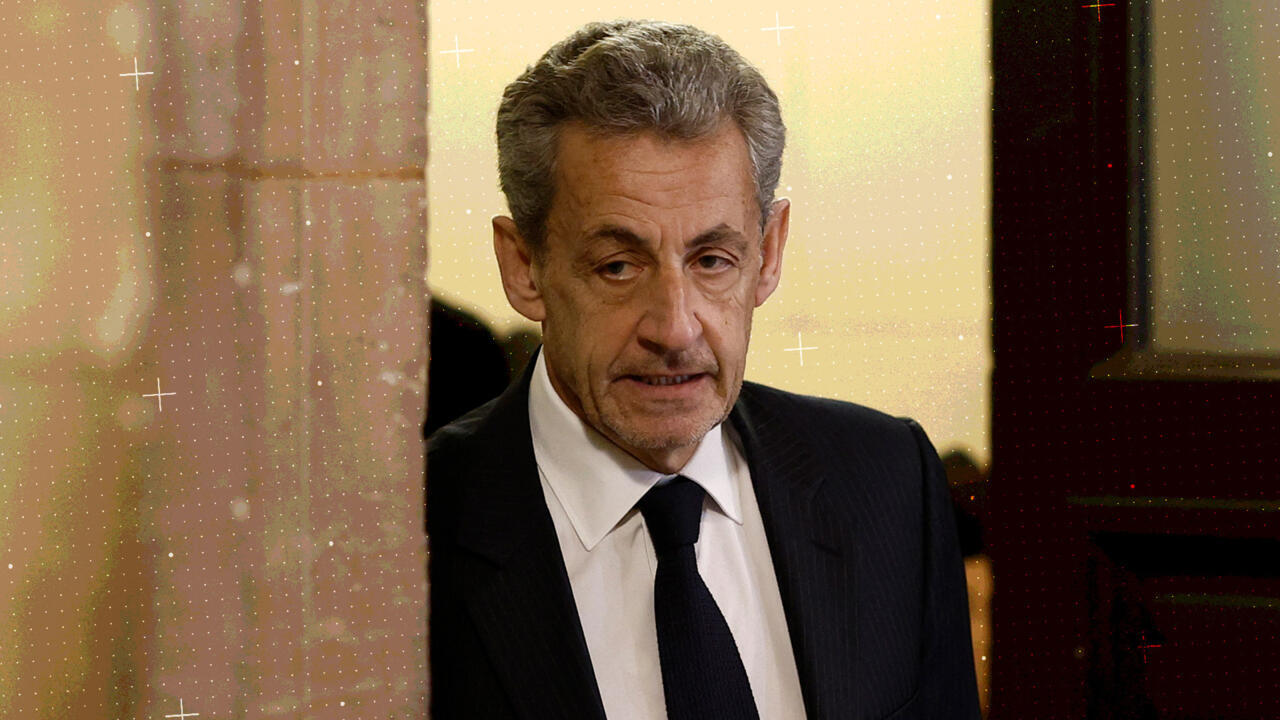
Former French President Nicolas Sarkozy appeared before the appeals court to respond to new sworn testimony submitted by his former right-hand man, Claude Guéant. The proceedings centre on allegations that Sarkozy orchestrated a corruption pact involving illegal Libyan campaign funding and sought the release of Libyan official Abdallah Senoussi. Guéant, who is currently serving a six-year prison sentence for his role in the affair, maintains that he was merely following instructions given by the former president.
Sarkozy has categorically denied these claims, asserting that he never initiated discussions regarding Senoussi and that no promises were made concerning the Libyan official's release. During the fifth day of questioning, the former president directly contradicted Guéant's account of events, specifically challenging the narrative of a 2007 dinner in Tripoli where Muammar Gaddafi allegedly raised the Senoussi case. Sarkozy insisted that the only time Gaddafi spoke to him on the matter was during a 2005 visit.
Legal representatives for Sarkozy have highlighted significant discrepancies between Guéant's new statements and previous assertions of a united front. While Guéant has not directly accused Sarkozy of corruption in these specific documents, the testimony suggests the former president may have been motivated by personal financial gain. Prosecutors argue that a secret one-on-one meeting between Guéant and Senoussi on October 1, 2005, marked the first act of the alleged pact, a claim Guéant previously denied recalling whether he had informed Sarkozy of.
Sarkozy acknowledged that the 2005 meeting took place but told the court that nobody told him about it and that he did not initiate the encounter. He stated that while he knew of the meeting, he rejected any request to intervene. In response to the allegations of a broader conspiracy, Sarkozy emphasised that nothing was undertaken for Senoussi's benefit and that no promises were made regarding his legal situation.
Guéant, who was excused from attending the court proceedings due to health matters, reiterated via written testimony that he looked into Senoussi's legal case at the request of the former president. However, he admitted he was fully aware that nothing could be done to alter the outcome. The former president's lawyer, Philippe Bouchez El Ghozi, noted that Sarkozy's remarks about his client have caused significant harm to Guéant's morale.
The trial, which commenced following Sarkozy's initial conviction in September 2025, is scheduled to conclude in late May. A final verdict is expected to be delivered in November, with the stakes for the former president remaining high regarding both his legacy and his personal freedom.