Aoun to seek US backing for south Lebanon normality as military advances
President Joseph Aoun meets Donald Trump in Washington as Beirut attempts to demonstrate capacity to disarm Hezbollah, a key precondition for ending Israeli occupation.
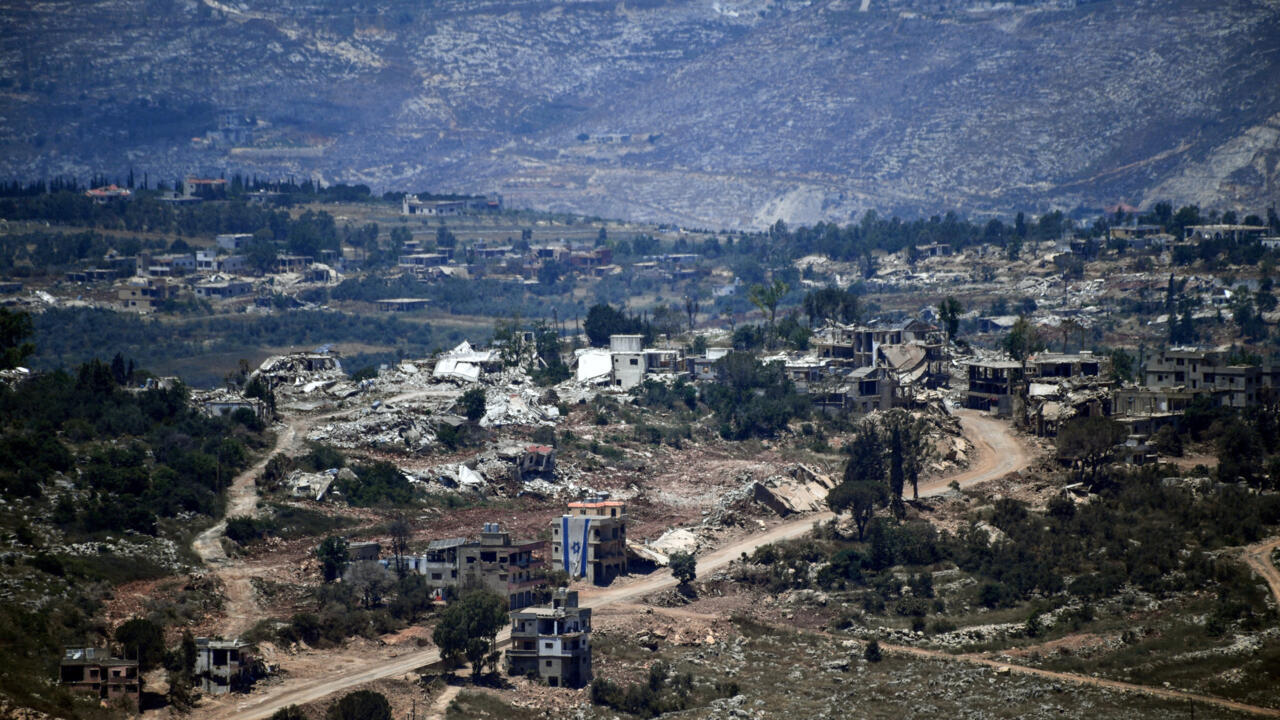
Lebanese President Joseph Aoun is scheduled to meet US President Donald Trump in Washington on July 21, marking the first visit by a Lebanese head of state to the United States since 2009. The diplomatic engagement comes as the Lebanese military moves into southern areas under a newly established deal with Israel aimed at disarming Hezbollah.
The primary objective of the meeting is to secure American support for restoring normality to the south. This initiative is part of a pilot 'safe zones' programme designed to allow limited Lebanese governance in the region without fully resolving the broader issue of militia disarmament. The arrangement represents a tactical adjustment in the ongoing dispute, offering a mechanism for stabilisation while the underlying security challenges remain unresolved.
Israel has maintained that any full withdrawal of its forces from southern Lebanon is contingent upon the disarmament of Hezbollah, the Iran-backed group active in the border region. Beirut is under significant pressure to prove that it can and will disarm the group, a task that assessments suggest the Lebanese Army is unlikely to accomplish independently.
The pilot programme was initiated by Israel in response to these security constraints, aiming to trial a new arrangement for safe zones. However, the long-term viability of this programme and its ability to lead to a permanent resolution of the occupation remains unclear. The stalemate over disarmament has complicated efforts to restore full Lebanese sovereignty over the border region.
Uncertainty surrounds the specific outcomes of the Washington meeting regarding the level of US support to be provided. While the meeting aims to facilitate the return of normalcy, the inability of the Lebanese Army to independently disarm Hezbollah poses a risk to the timeline for ending the Israeli occupation. The diplomatic talks will focus on how these localised security arrangements fit into the wider diplomatic framework required to stabilise the region.