Anthropic deploys cryptographic watermarking for Claude to meet EU transparency mandates
New text and image watermarking measures take effect for models released after 2 August 2026, with verification API and metadata signatures introduced to comply with European Union regulations.
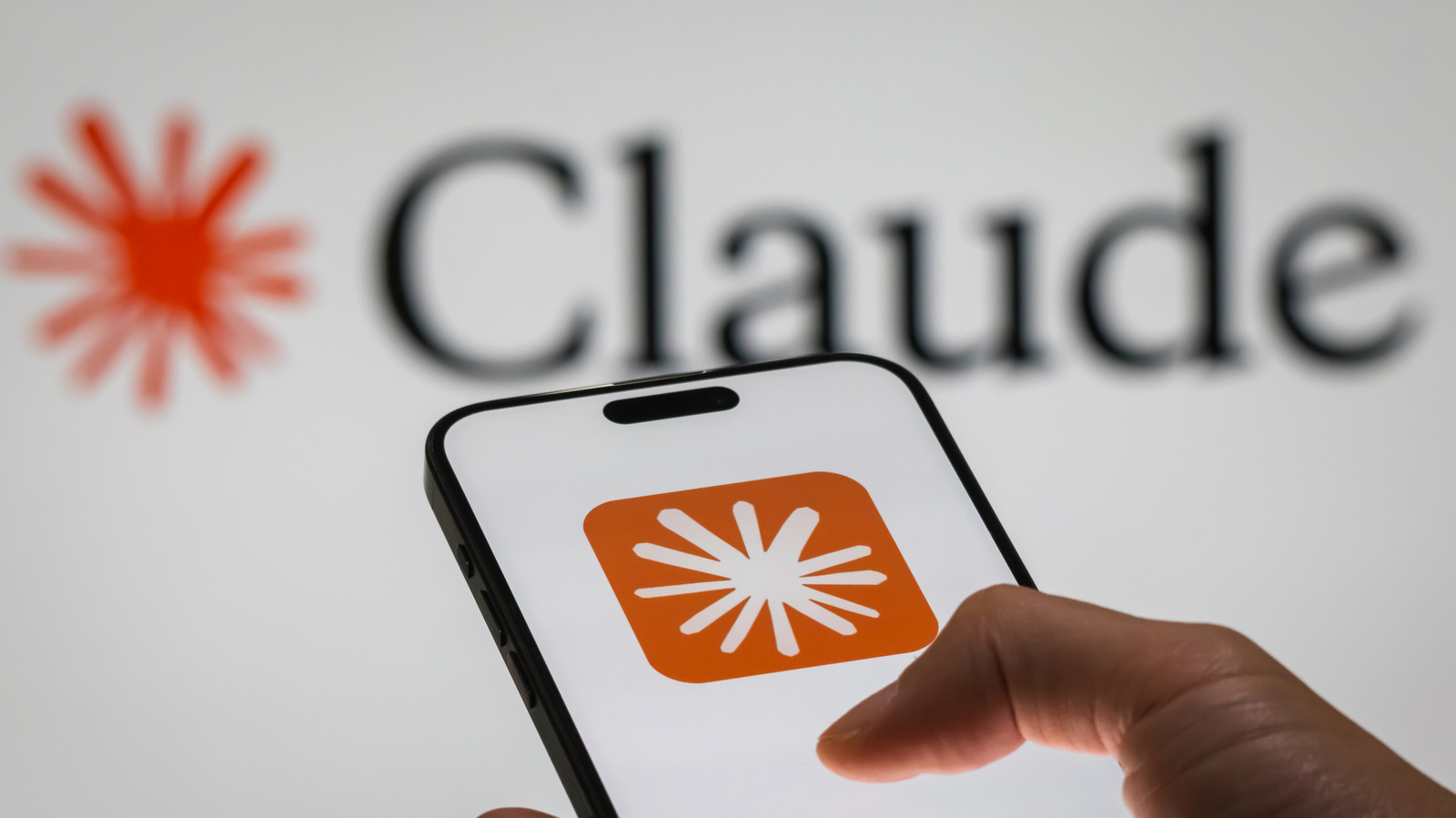
Anthropic has implemented text watermarking for its Claude artificial intelligence model to adhere to new European Union transparency regulations. The company confirmed that the measure applies to all Claude output from models released after 2 August 2026, with plans to extend the capability to older models over the coming months. The rollout is global at launch, as Anthropic stated it lacks precise methods to implement region-specific changes.
The watermarking method embeds a decodable pattern in generated text using a cryptographic key, such as the digits of pi, rather than adding visible marks or hidden characters. This approach is an adaptation of Google DeepMind’s SynthID-Text technique, which was previously described in a paper published in Nature. Large language models select words from a list of potential choices; with watermarking enabled, Claude uses the key to determine word selection instead of relying on an arbitrary random number generator.
Anthropic stated that the watermarking does not degrade output quality, slow generation, or increase costs. The company noted that the process will not require extra tokens or make generations more expensive. An API will be released to allow verification of whether text was generated by Claude, providing keys to decode the watermark and confirm the AI's involvement in a block of text.
The company acknowledged limitations in the system. The watermark cannot distinguish between text fully written by Claude versus text lightly edited or proofread by the model. Consequently, translations and lightly edited content will still carry the watermark. Detectability may also be compromised if the generated text is too short, and lightly editing Claude-generated text is unlikely to remove the mark without a complete rewrite.
Code generation is noted to have less watermarking than prose because code typically requires exact output with fewer word-choice alternatives. If there are no choices to be made during text generation, watermarking cannot be applied. Additionally, Anthropic confirmed it will watermark images via a cryptographically signed note in the metadata, indicating the content was generated by Claude.