Ankara seeks international arrest warrant for Netanyahu over Gaza flotilla
Turkish and Israeli leaders exchanged sharp rhetoric following Ankara’s move to seek an international warrant, with accusations of genocide and character attacks on President Erdogan.
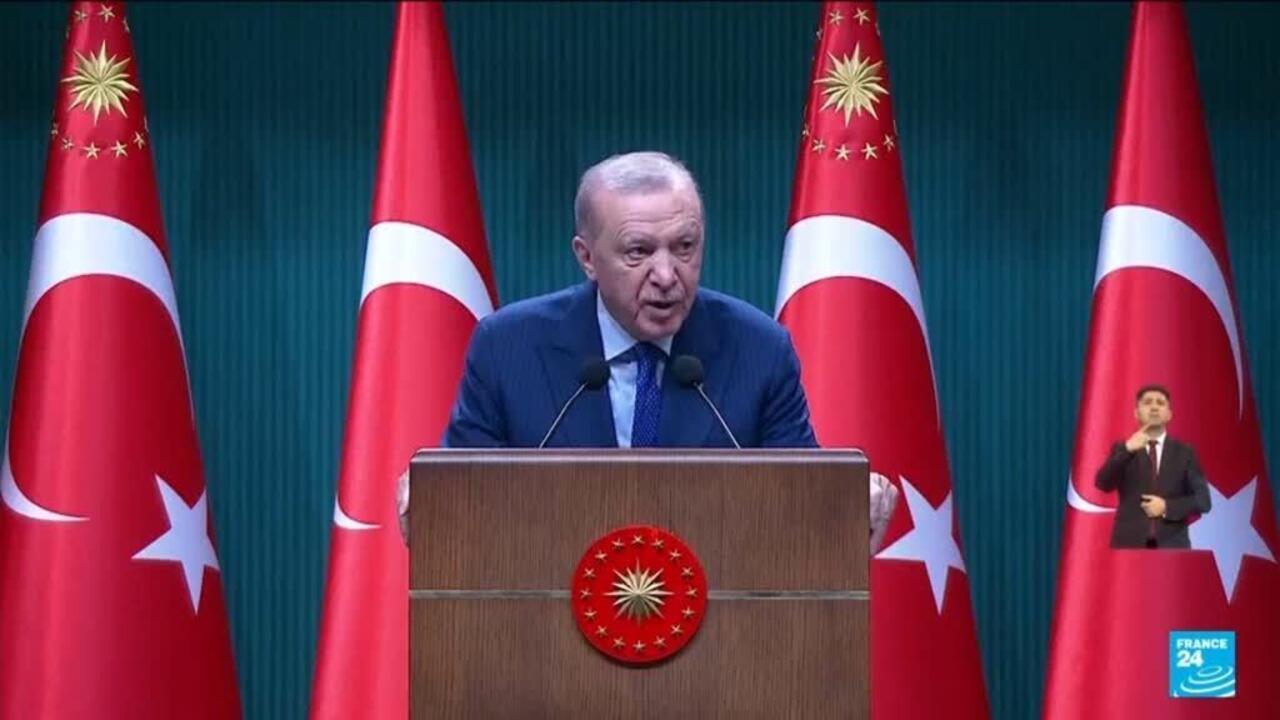
Diplomatic tensions between Turkey and Israel escalated on Friday after the Turkish government announced it had sought an international arrest warrant for Israeli Prime Minister Benjamin Netanyahu. The move marks a significant shift in the bilateral relationship, moving from verbal criticism to formal legal proceedings, although the specific international body to which the warrant was submitted has not been detailed.
The Turkish government accused Mr Netanyahu of "genocide" in connection with the interception of a Gaza-bound aid flotilla. This characterisation frames the incident not merely as a maritime dispute but as a matter of substantial legal and moral weight, reflecting Ankara’s increasingly assertive stance on the conduct of the war in Gaza.
In response, Prime Minister Netanyahu delivered a pointed rebuttal, describing Turkish President Recep Tayyip Erdogan as an "antisemitic dictator". The language used by the Israeli leader suggests a desire to personalise the institutional dispute, framing Turkey’s legal actions as driven by domestic political motives rather than objective international law.
This exchange occurs against the backdrop of a broader conflict triggered by Hamas-led attacks on southern Israel on 7 October 2023. Turkey has positioned itself as one of Israel’s most vocal critics regarding the conduct of the war, utilising the current diplomatic friction to highlight what it perceives as inconsistencies in Israel’s humanitarian efforts.
The dispute highlights the complex interplay between regional politics and international legal mechanisms. While the arrest warrant remains a procedural step, the accompanying rhetoric indicates that both governments are leveraging the issue for domestic and regional political gain.
As the situation develops, observers will be watching to see if the legal process gains traction or if the relationship remains defined by the sharp public exchanges between the two leaderships.