Analysts warn of rising cyber risks as auto industry embraces over-the-air updates
Growing reliance on over-the-air technology exposes modern vehicles to potential cyberattacks, according to industry analysts.
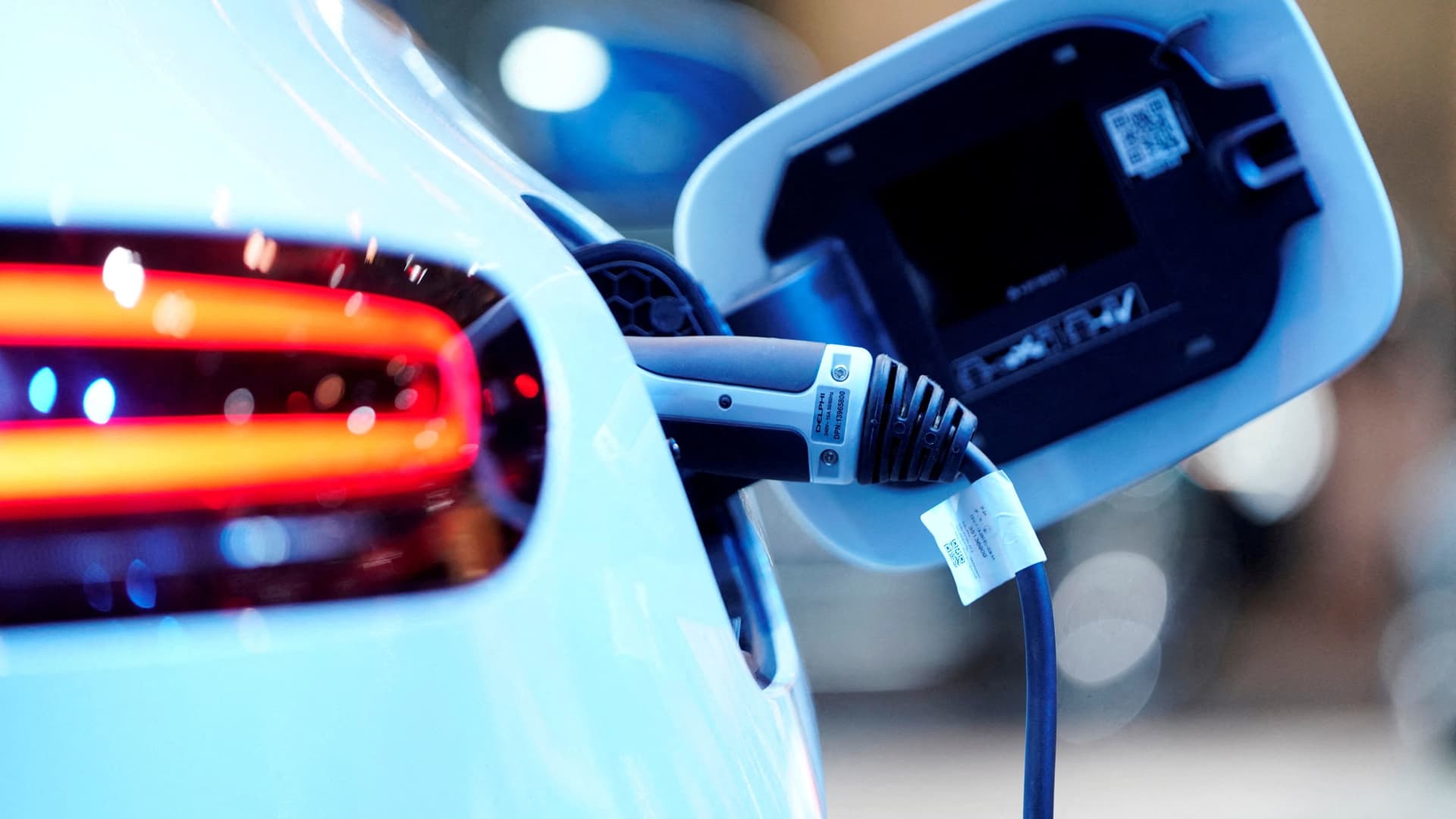
The automotive sector’s accelerating adoption of over-the-air (OTA) technology is drawing scrutiny from analysts who warn of escalating cybersecurity vulnerabilities. According to a report by CNBC, the industry’s increasing dependence on remote software updates and feature enhancements makes vehicles more susceptible to cyberattacks.
OTA systems allow manufacturers to push software patches, security fixes, and new functionalities to vehicles without requiring a physical visit to a service centre. While this capability has streamlined vehicle maintenance and improved user experience, it has also expanded the attack surface for malicious actors.
Analysts caution that the connectivity inherent in these systems creates new entry points for cyber threats. As vehicles become increasingly software-defined, the risk profile shifts from traditional mechanical failures to digital breaches that could compromise vehicle safety and data privacy.
The warning underscores a broader tension within the automotive industry between the demand for connected, intelligent vehicles and the imperative to secure those systems against evolving digital threats. Manufacturers are now tasked with balancing innovation with robust cybersecurity protocols to mitigate these risks.
No specific instances of successful cyberattacks or detailed quantitative data regarding the frequency or severity of such threats were provided in the source material. The concern remains a general industry observation rather than a response to a specific, isolated incident.
As the automotive landscape continues to evolve, the focus on securing OTA infrastructure is likely to become a critical consideration for investors, regulators, and consumers alike. The ability to protect vehicles from digital intrusion will be a key differentiator for manufacturers in the coming years.