Analysts say India’s strategy to isolate Pakistan has backfired, strengthening Pakistan’s ties with the US and China
While New Delhi’s decade-long isolation campaign falters, Islamabad deepens strategic partnerships with Washington, Beijing, and Gulf states.
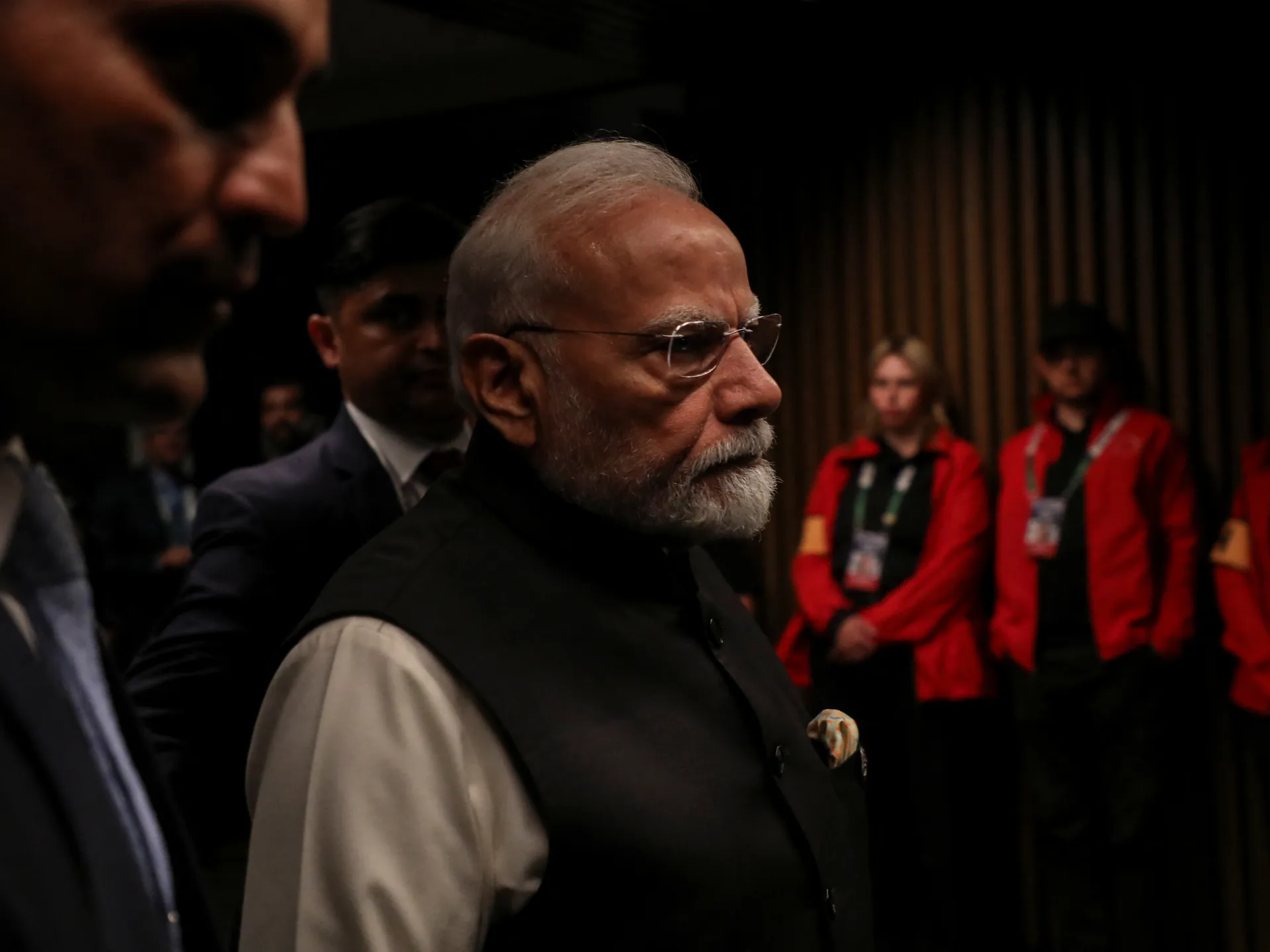
Analysts assert that Indian Prime Minister Narendra Modi’s decade-long strategy to diplomatically isolate Pakistan has failed, resulting in Pakistan strengthening its strategic ties with both China and the United States. This diplomatic shift follows a May 2025 ceasefire mediated by US President Donald Trump, which ended four days of intense border fighting involving ballistic missiles and fighter jets. Pakistan’s Prime Minister Shehbaz Sharif and Army Chief Asim Munir recently visited the White House, where Trump praised the leadership and invited Munir to lunch, marking the first time a Pakistani military chief who is not also president has been hosted by a US president.
Analysts attribute Pakistan’s improved standing to its effective diplomatic narrative and its role as a mediator between the US and Iran, contrasted with India’s refusal to acknowledge US mediation or provide proof of Pakistani complicity in the triggering attack. Meanwhile, US-India relations have strained due to trade tariffs, India’s rejection of third-party mediation on Kashmir, and its close alignment with Israel, while Pakistan has deepened security partnerships with Gulf states and China.
The deterioration in US-India relations has been exacerbated by trade tariffs, India’s rejection of third-party mediation on Kashmir, and its close alignment with Israel. Conversely, Pakistan has deepened security partnerships with Gulf states and China. Analysts note that Pakistan’s ability to hold its own in the conflict and shoot down several Indian jets garnered significant global attention, including within the White House.
New Delhi’s silence on the downing of the jets for almost three weeks further gave impetus to that perception. The country’s top general eventually acknowledged that several fighter planes were shot down by Pakistan, though India has never confirmed the number. Analysts say Modi’s refusal to give credit to the US president for the truce strained US-India ties.
Pakistan, on the other hand, promptly acknowledged Trump’s efforts in achieving the truce and even nominated him for the Nobel Peace Prize. Trump, who had accused Pakistan of “deceit and lies” during his first term, has since repeatedly praised Pakistani leadership, including army chief Asim Munir who led the war efforts against India. And to India’s dismay, Trump invited Munir to the White House for lunch – the first time that a Pakistani military chief who was not also president had been hosted by a US president.