Analysts doubt Trump’s ‘economic D-day’ will force Iran to capitulate
Scepticism is mounting over the effectiveness of the US President’s new sanctions regime, with experts noting that Tehran resisted similar ‘maximum pressure’ tactics eight years ago.
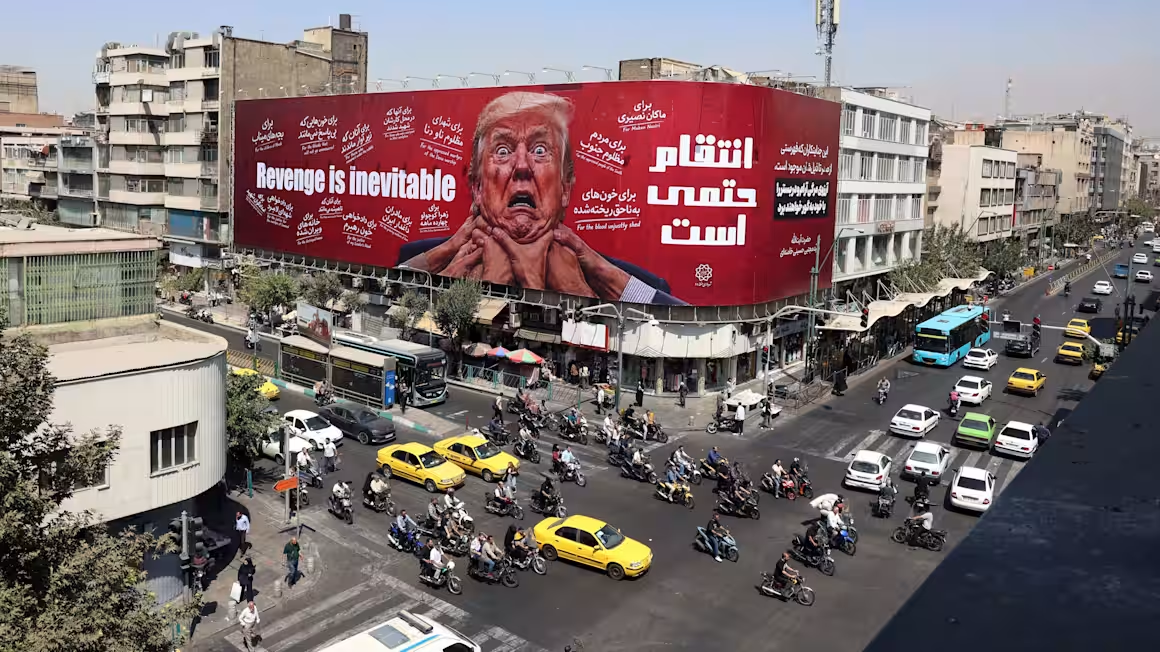
US President Donald Trump has introduced a new round of intensified economic sanctions against Iran, a move he has rhetorically labelled “economic D-day”. The primary objective of the package is to force Tehran to capitulate, applying fresh financial strain on the Iranian economy amid heightened geopolitical tensions.
Despite the elevated rhetoric, analysts remain sceptical about the strategy’s ultimate success. The prevailing view among market observers is that the new measures may not yield the desired outcome, particularly given the historical resilience of the Iranian government under previous US-led pressure campaigns.
The current scepticism is rooted in the experience of the “maximum pressure” campaign implemented eight years ago. During that period, the United States employed a similar strategy of intense economic isolation, yet Tehran made no significant concessions. This historical precedent suggests that the new “economic D-day” sanctions may face similar resistance, leading many to question whether the approach differs materially in scope or enforcement from its predecessor.
The introduction of these new sanctions follows the collapse of a 60-day ceasefire between the US and Iran in June 2026. That breakdown in diplomatic relations significantly increased regional instability, providing the backdrop for Washington’s decision to escalate economic measures. The timing reflects a broader strategic shift towards leveraging financial tools to achieve geopolitical objectives.
Key figures involved in the unfolding situation include US Treasury Secretary Scott Bessent, who is central to the administration’s economic strategy. The Strait of Hormuz remains a critical geographic factor in the equation, as its status directly impacts global energy flows and trade routes. Investors are closely monitoring how these dynamics interact with the new sanctions regime.
While the specific timeline for when the new sanctions will take full effect has not been explicitly detailed, the immediate market reaction has been one of cautious assessment. The lack of clarity regarding the material differences between the new package and the previous “maximum pressure” campaign adds to the uncertainty, keeping the focus on whether this latest iteration can break the stalemate that has persisted for years.