Analysts dismiss Putin’s peace overtures as ‘simulated diplomacy’ amid war attrition
With the Kremlin stating the peace process is on pause following recent escalations, observers note Moscow is utilising diplomatic theatre to offset military disadvantages and await shifts in European political support.
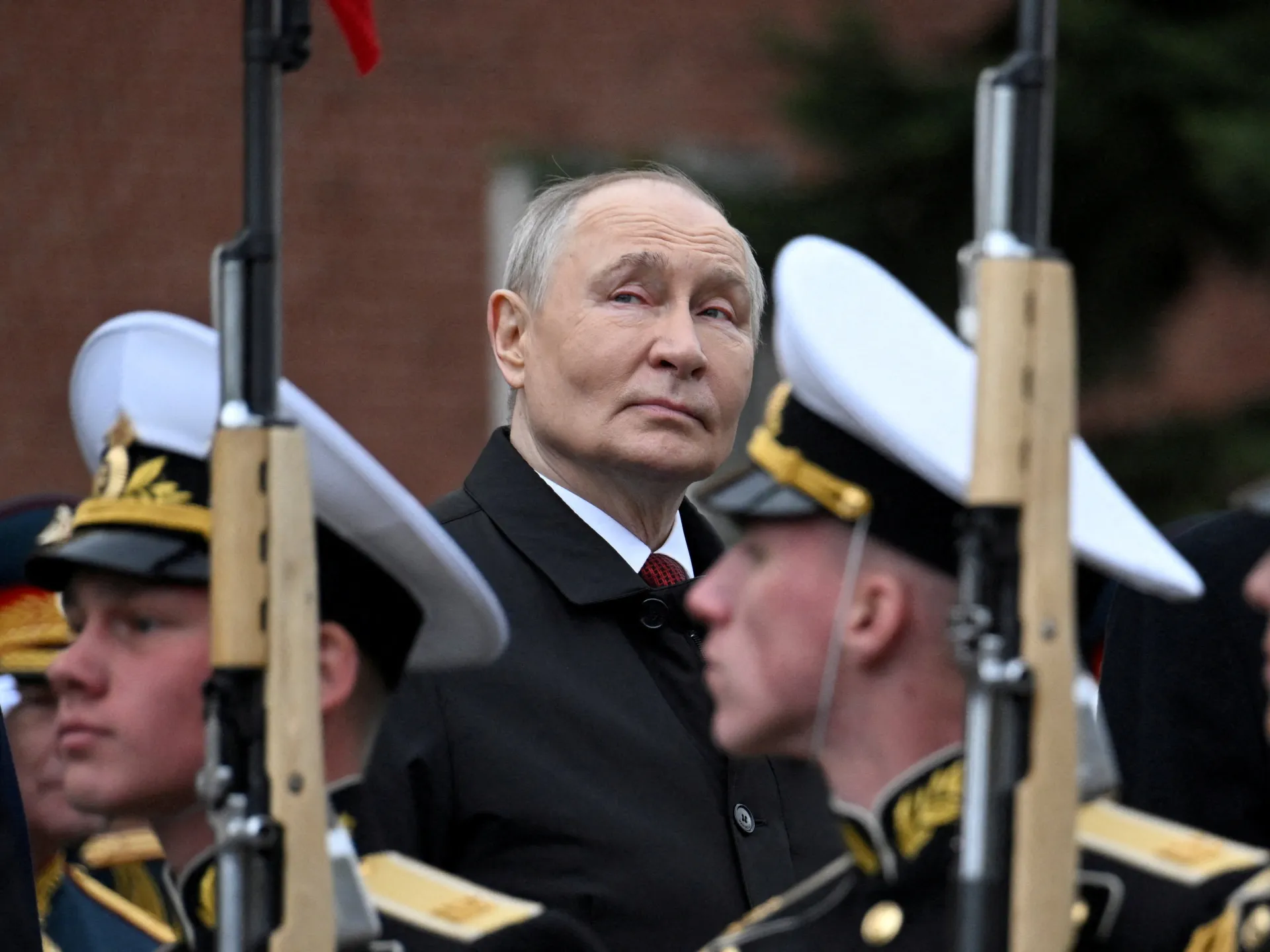
Russian President Vladimir Putin has indicated that the war in Ukraine may be nearing an end, expressing willingness to meet Ukrainian President Volodymyr Zelenskyy in a neutral country to discuss peace accords. These remarks were delivered during Moscow’s Victory Day parade on 9 May 2026, amidst a conflict that has persisted for more than four years. Analysts characterise these diplomatic overtures as "simulated diplomacy," suggesting they are a strategic ploy to buy time for Russian forces to consolidate battlefield gains while offsetting military disadvantages.
The Kremlin has stated that the peace process is currently "on pause" following recent escalations, including a drone strike on Moscow that killed at least three people and a Russian assault on Kyiv. Although US President Donald Trump brokered a three-day ceasefire earlier in May, no prisoner exchanges have yet occurred. European leaders remain cautious; European Council President Antonio Costa clarified that while the EU is willing to negotiate, it is not the "right moment" to disrupt US efforts.
Hungarian Prime Minister Viktor Orban was recently voted out of office, reinforcing the EU’s pro-Ukrainian stance. Analyst Simon Schlegel notes that Ukraine has gained the upper hand in drone production and deep-strike capabilities, compromising Russian oil exports and maintaining high interception rates for Russian drones and cruise missiles. Schlegel described the current dynamic as a war of attrition where Russia is not winning, yet seeks to drag out negotiations to stabilise its position.
Putin has suggested that former German Chancellor Gerhard Schroeder could represent the European Union in any future negotiations, a proposal met with scepticism by EU officials. EU foreign policy chief Kaja Kallas highlighted Schroeder’s history as a lobbyist for Russian state-owned companies, questioning the neutrality of such a role. Meanwhile, Russian officials maintain that European actions, such as expanding military support for Ukraine, contradict any stated desire for dialogue.
Despite the stalemate, some observers believe the passage of time may increasingly favour Kyiv as it intensifies strikes on Russian infrastructure. However, analysts caution that the Russian leadership remains averse to serious concessions, with President Putin feeling pressure to achieve at least one of his initial 2022 objectives to avoid appearing defeated. Until a collapse in manpower or economic crisis forces a change, Moscow is likely to continue its intervention with unclear results.