Analyst: Russia-China ties defined by asymmetry, not anti-Western alliance
Speaking on France 24, the associate research fellow argues Moscow seeks external legitimacy through choreographed diplomatic encounters with Beijing, while China maintains a stance of calculated pragmatism.
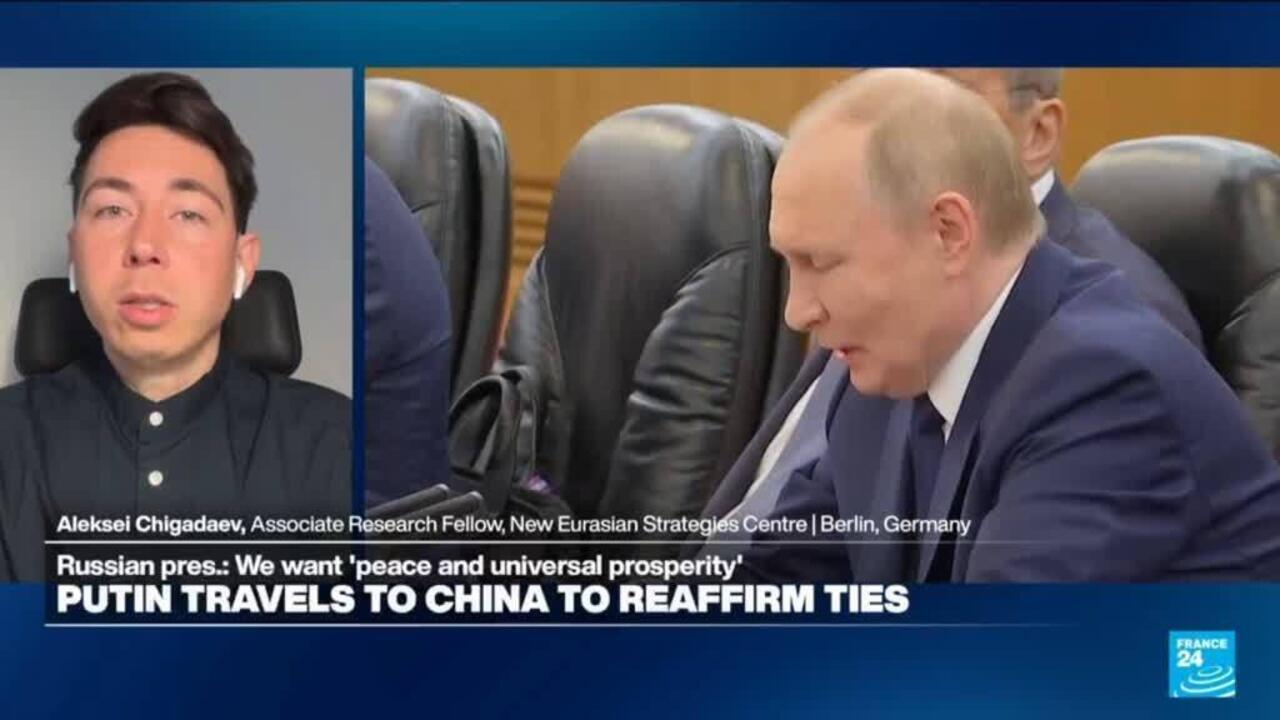
Aleksei Chigadaev, an analyst on China-Russia relations at the New Eurasian Strategies Centre, has characterised the strategic partnership between Moscow and Beijing as asymmetrical and driven by necessity rather than ideological alignment. In commentary issued on 19 May 2026, Chigadaev disputed the prevailing narrative of a triumphant anti-Western alliance, describing the relationship instead as complex and marked by quiet unease.
Chigadaev, speaking on the France 24 program hosted by Oliver Farry, argued that Russia increasingly seeks legitimacy from the outside through highly choreographed encounters with Chinese President Xi Jinping. This dynamic suggests that Moscow views these diplomatic engagements as a mechanism to bolster its standing, rather than reflecting a partnership of equals.
The analyst noted that China approaches Moscow with calculated pragmatism rather than ideological enthusiasm. This distinction highlights a fundamental difference in how the two capitals view their cooperation, with Beijing maintaining a more detached and strategic posture compared to Russia’s reliance on the relationship.
The sentiment that Xi is Moscow’s only friend right now was cited to illustrate the narrowing of Russia’s geopolitical options following the invasion of Ukraine. This perspective underscores the extent to which Russia’s international isolation has concentrated its diplomatic focus on Beijing, creating a dependency that contrasts with the public rhetoric of a balanced strategic partnership.
Chigadaev’s assessment challenges the notion that the Russia-China relationship is defined by a shared triumph over Western influence. Instead, the analysis points to a dynamic where strategic necessity drives Moscow’s actions, while Beijing exercises caution and pragmatism in its dealings with the Kremlin.
The commentary provides a critical lens through which to view the annual visits by Russian President Vladimir Putin to China, which have been described as normal practice. However, the underlying asymmetry suggests that these visits serve specific political functions for Moscow that may not be equally reciprocal in terms of strategic benefit or ideological commitment.
As the geopolitical landscape continues to shift, the distinction between a genuine alliance and a relationship born of necessity remains a key area of analysis. Chigadaev’s observations highlight the importance of looking beyond official statements to understand the actual power dynamics at play in Moscow-Beijing relations.