Amsterdam approves historic legal ban on fossil fuel advertising
Authorities have formalised restrictions on high-carbon industry promotions in urban spaces, prompting calls for nationwide enforcement.
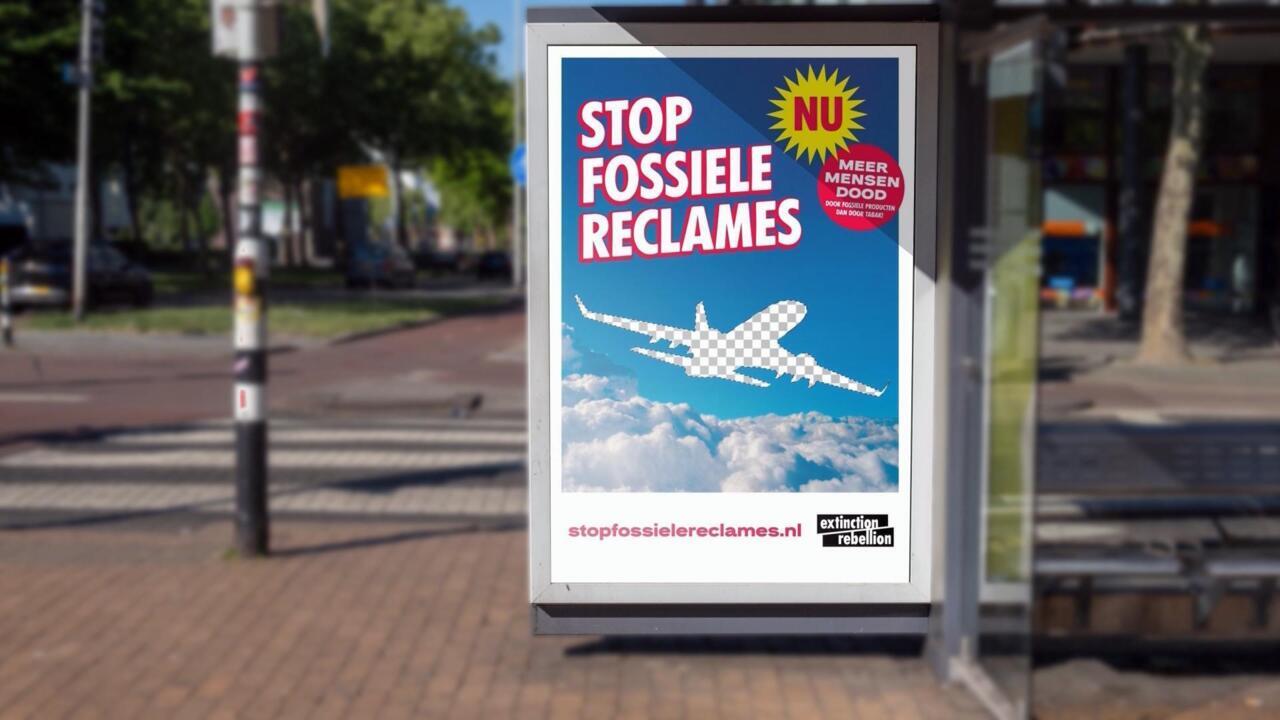
Amsterdam has formally approved a legal prohibition on advertisements for fossil fuels, marking the first instance of such a measure being enacted by a global capital city. The decision, which covers promotional material for petrol cars, flights, and cruise ships, aims to reduce global warming by removing the visual normalisation of high-carbon industries from the urban landscape.
This regulatory shift aligns with a broader international trend where municipalities are increasingly clearing billboards of imagery associated with aviation, maritime travel, and internal combustion engine vehicles. By targeting these specific sectors, the move seeks to alter the visual environment of the city to support climate mitigation strategies.
The approval was confirmed on 27 April 2026, following a process that saw Amsterdam authorities finalise the restrictions. The scope of the ban is precise, targeting only those sectors directly linked to fossil fuel consumption and excluding other forms of commercial advertising.
In the wake of this local decision, Dutch activists have immediately called for the restrictions to be enforced and expanded to a national level across the Netherlands. They argue that a municipal ban is insufficient without corresponding government action to standardise the approach throughout the country.
France 24 International reported on the development, with coverage provided by Valérie Dekimpe and Alexandra Renard. Their report highlights the significance of the approval while noting that specific details regarding the timeline for enforcement within Amsterdam remain undefined in the current source material.
While the move represents a significant step in environmental policy, the legal mechanisms required to transition from a municipal approval to a nationwide ban in the Netherlands have not yet been detailed. The situation remains subject to further confirmation by Dutch government sources regarding the implementation phase.