Amazon obscures order details in emails to shield data from AI agents
New confirmation messages list only broad categories such as 'Beauty' or 'Electronics', a shift analysts view as a defensive tactic against AI-driven shopping tools and a bid to keep shoppers within Amazon’s ecosystem.
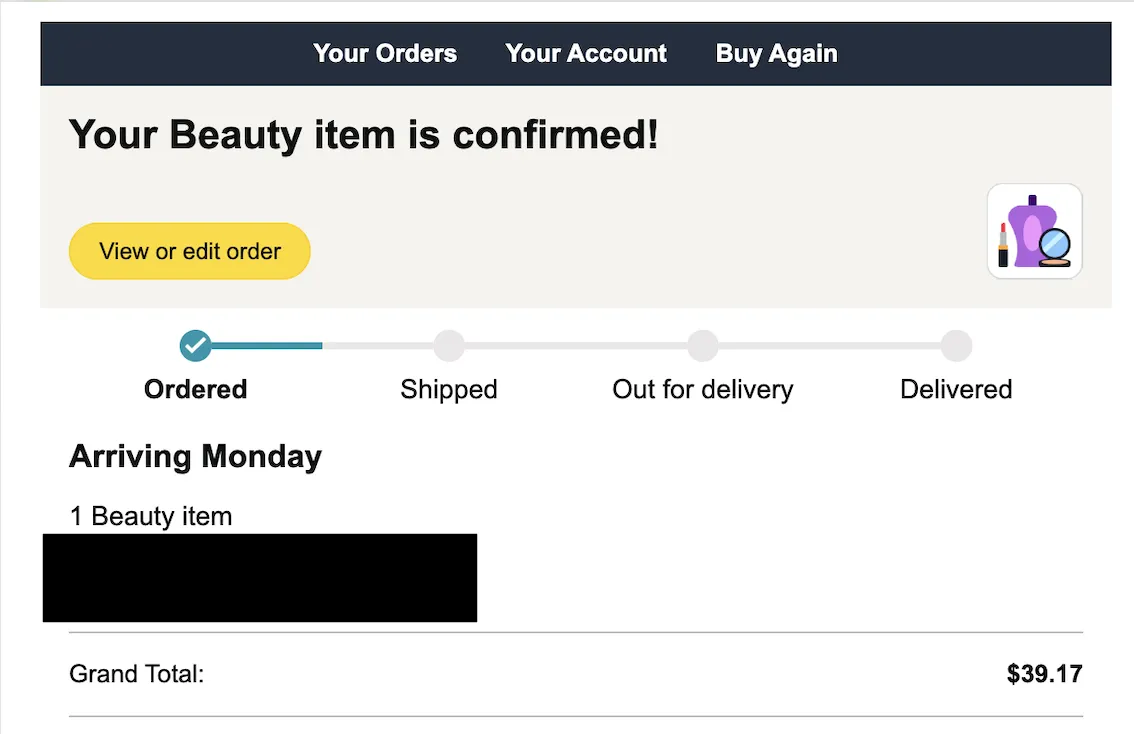
Amazon has updated its order confirmation emails to display only general product categories, such as 'Beauty' or 'Electronics', rather than specific item names. The change, which customers began noticing in July, requires shoppers to visit the Amazon app or website to view detailed purchase information. Amazon attributes the change to a strategy of directing customers to its own platforms and reducing personal data shared outside its ecosystem to improve privacy. Industry analysis suggests the move is a defensive measure against AI agents scraping purchase data, aiming to protect Amazon’s direct relationship with shoppers amid increased competition from Google’s AI shopping features.
Specific examples of the vague communications include notifications stating "Your Beauty item is confirmed!" for retainer cleaning tablets and "Ordered: 1 Hardware item." Complaints regarding the lack of detail emerged in July, with orders placed in June still containing specific item thumbnails and names. Amazon spokesperson Maxine Tagay confirmed the change is intended to reduce customer information shared outside the Amazon app and website.
The shift coincides with increased competition from Google’s AI shopping features, such as Gemini Spark and a cross-merchant shopping cart integrated into Gmail. Google is positioning itself to facilitate AI-driven shopping through its Shopping catalog and Gmail integration, allowing agents to mine email data for purchase confirmations and build itineraries. This creates a scenario where customers may have no reason to visit a retailer’s website directly if an AI agent can handle transactions efficiently.
Amazon has been more protective of its direct relationship with shoppers compared to competitors. Other major retailers like Walmart, Target, and Wayfair have integrated with Google’s AI commerce features, unlike Amazon. The e-commerce giant previously sued Perplexity over AI shopping agents; a judge sided with Perplexity earlier this month. Amazon has also been developing its own AI-powered shopping features, including Alexa for Shopping, price tracking, and automatic purchasing.
The move is interpreted as a strategy to prevent AI agents from accessing purchase data and to protect Amazon’s direct relationship with shoppers. By hiding specific details in external emails, Amazon aims to ensure customers return to its app for real-time, consolidated order details. This approach addresses the "DoorDash problem," where service providers risk losing direct customer access if AI agents handle transactions without visiting the retailer’s website.