Almodovar brands Trump, Netanyahu and Putin as 'monsters'
Oscar-winning director Pedro Almodovar has publicly characterised US President Donald Trump, Israeli Prime Minister Benjamin Netanyahu and Russian President Vladimir Putin as 'monsters', marking a stark cultural critique against the backdrop of intensifying geopolitical realignment.
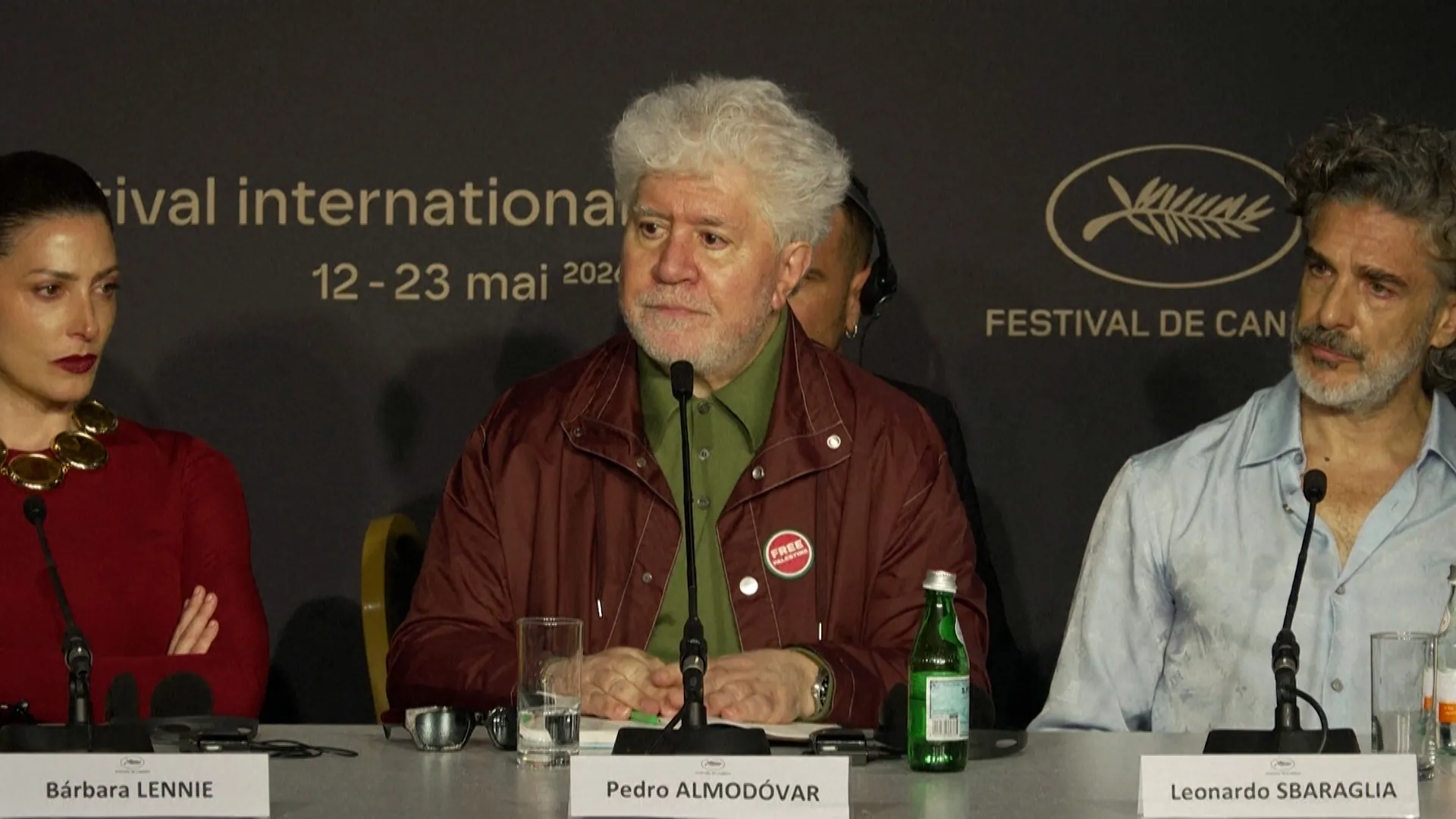
Spanish film director Pedro Almodovar has issued a sharp public rebuke of three major global leaders, describing Donald Trump, Benjamin Netanyahu and Vladimir Putin as 'monsters'. The remarks, reported by Al Jazeera Global News on 20 May 2026, represent a direct and severe personal condemnation of the heads of state leading the United States, Israel and Russia.
The characterisation places Almodovar, a renowned Oscar-winning filmmaker, in direct opposition to the current leadership structures of these nations. By using the term 'monsters', the director has framed the political conduct of Trump, Netanyahu and Putin in moral terms, moving beyond standard diplomatic criticism into the realm of personal vilification.
This cultural intervention arrives during a period of significant geopolitical friction and realignment. The comments follow a recent summit in Beijing where President Putin and Chinese President Xi Jinping signed a joint declaration establishing a 'multipolar world'. This agreement, which included approximately 40 bilateral documents, signals a deepening strategic alignment between Moscow and Beijing, challenging the traditional Western-led international order.
Domestically, the United States has seen a flurry of legislative activity under President Trump in the weeks leading up to Almodovar’s statement. On 30 April 2026, Trump signed Bill S. 4465 into law, amending the FISA Amendments Act of 2008 to extend Title VII authorities. The same day, he signed a continuing resolution providing consolidated funding for the government.
The timing of Almodovar’s remarks also coincides with heightened international diplomatic engagements. Earlier in April, King Charles III and Queen Camilla began a four-day state visit to the US, which proceeded as planned despite a shooting incident at a White House dinner attended by President Trump. The convergence of these events underscores the complex and volatile nature of current global governance.
While Almodovar’s profession is in the arts rather than politics, his public statements carry weight in international discourse. The direct naming of Trump, Netanyahu and Putin as 'monsters' highlights the growing tension between cultural figures and political power centres. It remains unclear if the director provided further justification for these labels in the available reports, but the statement alone serves as a significant marker of dissent against the current geopolitical landscape.
The incident reflects a broader trend of high-profile cultural figures engaging directly with political controversies. As the world navigates a shift toward multipolarity and increased legislative scrutiny in nations like the US, the intersection of celebrity influence and political accountability continues to evolve. Almodovar’s condemnation adds a distinct voice to the ongoing debate regarding the conduct of global leaders.