Alleged Israeli outpost in Najaf desert prompts conflicting claims over Iraqi sovereignty
While open-source analysts and satellite imagery point to a special forces facility near Karbala, Iraqi officials remain divided on whether the site existed or how long it remained operational
Reports from The Wall Street Journal allege that Israel established a clandestine military outpost in the Najaf desert prior to the escalation of hostilities involving Iran. The facility is described as housing special forces and serving as a logistical hub for air operations, including capacity for search-and-rescue teams for downed pilots. These claims have emerged as regional tensions between Iraq, the United States, Israel, and Iran reach a critical juncture.
Open-source analysts identified the suspected location near the Iraq-Saudi Arabia border using satellite imagery. Lieutenant-General Qais al-Muhammadawi, Iraq's deputy commander of joint operations, confirmed reports of movement in the Najaf desert near Karbala. He stated that a force of three regiments was deployed to investigate the site but came under heavy aerial fire, resulting in the death of one fighter and injuries to two others.
Subsequent searches by reinforced counterterrorism regiments found no evidence of the base. However, the incident reportedly claimed another life when a local shepherd who spotted helicopters in the area was killed after his vehicle was targeted. The Wall Street Journal also cited statements from Israel's former air force chief, Major-General Tomer Bar, who acknowledged special forces conducting extraordinary operations during the conflict with Iran, though he did not specify the location.
Iraqi responses to the allegations have been inconsistent. While a senior security official and the Karbala operations commander denied the existence of a permanent base, noting that any group present in March did not remain for more than 48 hours, other voices suggest otherwise. A lawmaker from the Badr Organisation claimed a joint US-Israeli camp exists in western Iraq, and an unnamed senior official alleged a secret operation occurred with American assistance and cover.
The United States has explicitly denied involvement in the operation. US officials told The Wall Street Journal that Washington was not part of the initiative, a stance reiterated following the initial reports. This denial contrasts with the account of the unnamed senior official, who described the situation as an American deception that subjected Iraq to covert military activity under American cover.
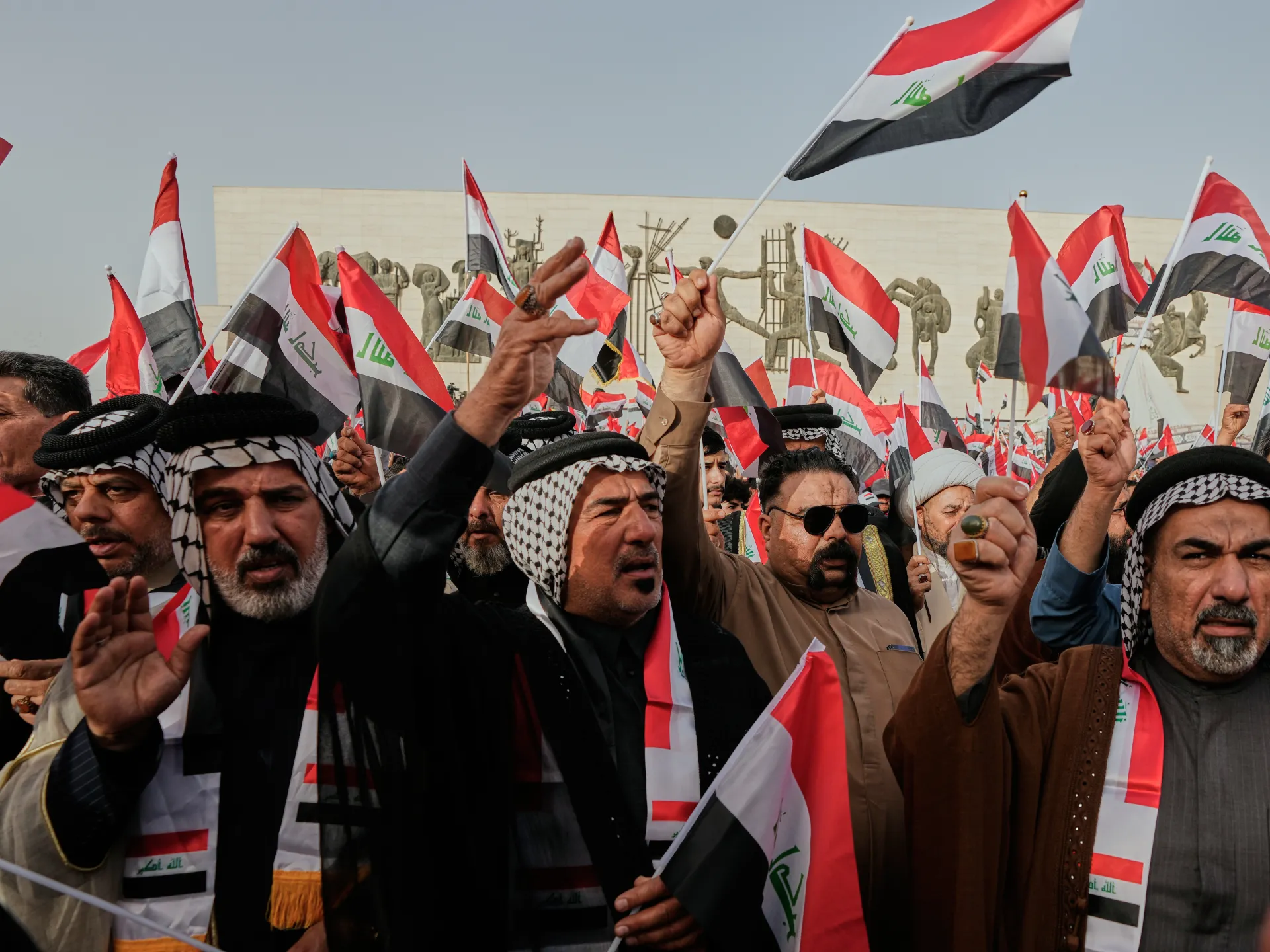
The revelation has magnified the tightrope Baghdad walks between Washington and Tehran. Analysts suggest the potential use of Iraqi territory as part of a covert military front exposes major gaps in sovereignty and regional security. As Iraq faces demands to disarm Iran-backed groups, the possibility of its soil being used for foreign operations deepens the economic and political woes of the nation.