Algeria shifts primary school curriculum to prioritise English over French
A structural break from historical linguistic ties sees English become the sole foreign language for eight-year-olds in the 2026-2027 academic year, part of a broader national overhaul.
Algerian primary schools will introduce English as the sole foreign language in the third year of primary education for the 2026-2027 academic year, effectively delaying French instruction to the fourth year. The policy shift, announced by Education Minister Mohamed Seghir Saadaoui on 25 July, marks the first time eight-year-olds in the country will learn English before French, ending the long-standing dominance of the latter in foreign language classes.
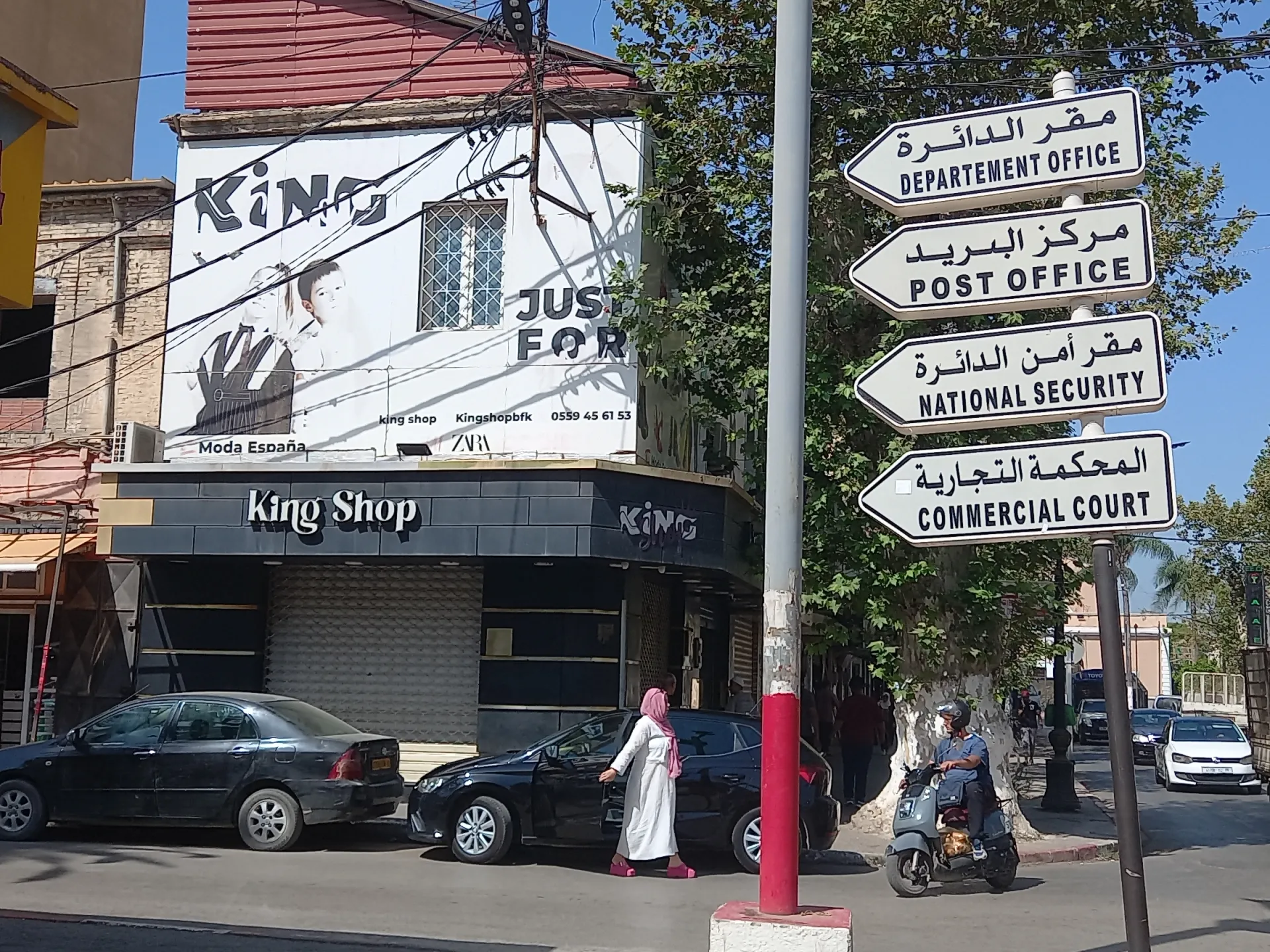
The reform is a central component of President Abdelmadjid Tebboune’s broader linguistic overhaul, first outlined in 2022. Beyond primary schools, the government has begun switching medicine and science faculties to English, while road signs and government websites are increasingly featuring the language alongside Arabic. This structural change follows a diplomatic crisis between Algeria and France, triggered in July 2024 when French President Emmanuel Macron backed Morocco’s sovereignty claim over Western Sahara.
To support the transition, the Education Ministry reportedly recruited approximately 15,000 English language teachers for primary schools in February. While critics argue the rollout is outpacing the system’s capacity, a source familiar with the matter indicated that any remaining teacher shortages could be addressed through contractors. The move aims to reduce the disparity between public and private education, where multilingual instruction has traditionally been more accessible to those who can afford private schooling.
The shift also reflects a broader regional trend among former French colonies. In March 2025, Mali, Niger, and Burkina Faso withdrew from the International Organisation of La Francophonie (OIF), demoting French to a working language or promoting local tongues. Although Algeria retains approximately 15 million French speakers, nearly a third of its population, the government is actively erasing the language from utility bills and airline tickets to consolidate English’s role as the secondary language.
Observers note that public adoption of English appears to be occurring organically, independent of state promotion. Booksellers in cities such as Tizi Ouzou have reported a growth in English-language titles aimed at the general public, with female readers driving significant demand. This cultural shift suggests a multilingual fluency among younger generations that may ease the institutional transition, even as the government seeks to formalise the language’s place in the national curriculum.