Albania’s corruption cases test the strength of prevention
Proceedings against senior officials show a stronger investigative response, while experts and the European Commission point to gaps in the safeguards meant to prevent abuse.
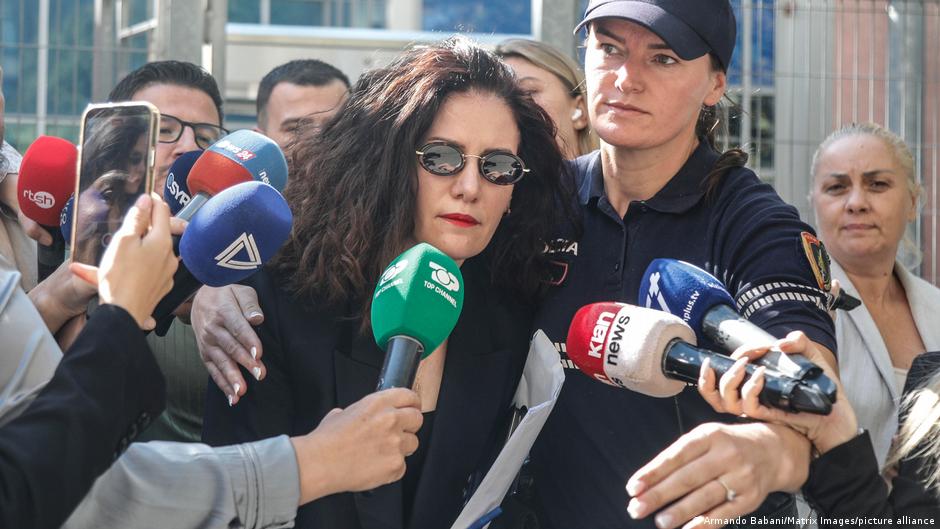
Albania’s anti-corruption drive has brought criminal proceedings against senior figures, including former State Intelligence Service chief Vlora Hyseni. Her case has raised a broader question: whether stronger enforcement is matched by effective controls to prevent corruption.
A court ordered Hyseni’s house arrest over suspected offences linked to a wider investigation involving the National Agency for Information Society, which oversees much of the country’s digital public infrastructure. Prosecutors suspect she used information available to her as intelligence chief to help a person wanted in that investigation. Hyseni surrendered to authorities and was later dismissed. The allegations remain under investigation.
The cases involving Hyseni and other senior officials are separate. Their number does not establish whether corruption has become more or less widespread. Lawyer Dorian Matlija, speaking to Deutsche Welle, said stronger capacity and independence at the Special Anti-Corruption Structure (SPAK) had challenged the perception that senior officials were untouchable.
Matlija said prevention remained less certain, citing administrative controls, audits, conflict-of-interest rules and asset declarations. The European Commission’s 2025 report noted tangible progress by SPAK, but said corruption remained widespread and prevention institutions had limited impact.
The public experience of corruption also remains a concern. A 2023 survey by the anti-corruption coalition SELDI found that 52 per cent of respondents in Albania reported pressure to engage in corruption by public officials, while 40 per cent said they had paid a bribe.
Political scientist Afrim Krasniqi argued to Deutsche Welle that prolonged dominance by Prime Minister Edi Rama’s Socialist Party had weakened checks on the executive. Rama has described Hyseni’s case as an individual matter between her and the justice system. Albania’s Corruption Perceptions Index score rose from 33 in 2012 to 39 in 2025, but remained below every EU member state.