Al Jazeera warns Hormuz reopening masks deeper governance crisis
While US President Donald Trump claims a deal to reopen the Strait of Hormuz is largely negotiated, an Al Jazeera analysis suggests global commercial confidence will not return, as strategic routes become subject to recurring political conditions.
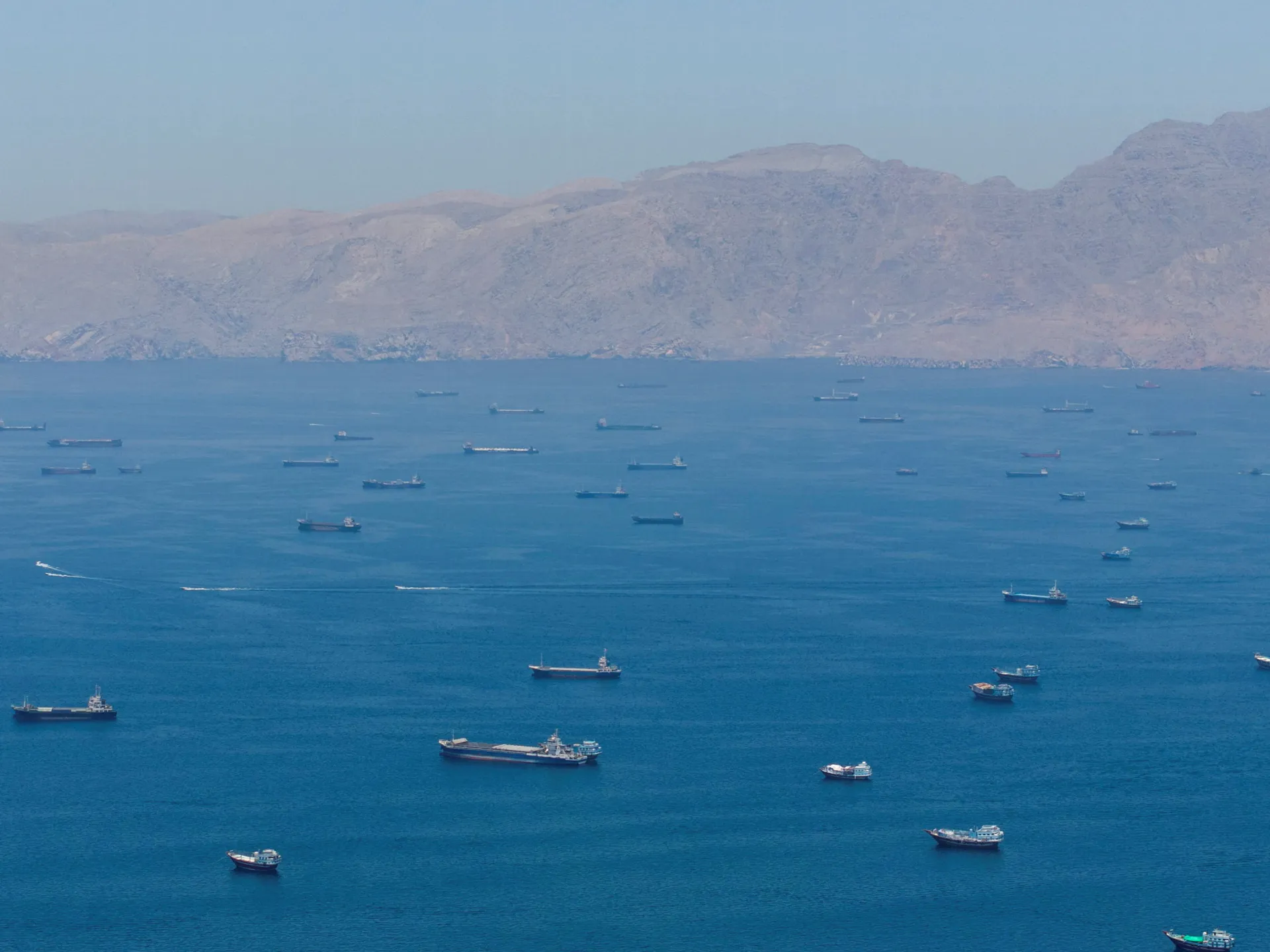
An opinion piece published by Al Jazeera on 31 May 2026 argues that the potential reopening of the Strait of Hormuz following negotiations involving US President Donald Trump and Iran does not guarantee a return to stable commercial conditions. The article contends that while immediate de-escalation may occur, the underlying strategic question is shifting from simple access to complex governance, creating a new era of politically managed trade routes.
The publication highlights that Iran is seeking to establish an authority to manage the waterway, which would allow Tehran to exert greater influence over routing decisions and potentially impose transit tolls. This move transforms the issue from whether ships can physically pass through the chokepoint to who holds the power to set the rules, price risks, and control exceptions. The article posits that this shift creates recurring uncertainty that raises the cost of commerce for energy buyers, insurers, and manufacturers.
China, India, Japan, and South Korea are identified as the principal end users of Gulf energy, meaning the commercial risk generated by instability in the Strait is transmitted eastwards to these major economies. The analysis suggests that while temporary calm may be negotiated, it is being mispriced by markets as durable stability. Freight rates may ease and energy prices may soften, but these indicators do not necessarily reflect the disappearance of underlying geopolitical risks.
The piece distinguishes between de-escalation, which reduces the danger of immediate conflict, and normalisation, which restores confidence in the predictability of trade. It argues that modern commerce depends on legal clarity, insurance certainty, and naval confidence, not just physical access. Consequently, the emerging pattern suggests a world where commerce resumes only under temporary political conditions that must be repeatedly renegotiated, exposing the fragility of global supply chains.
For policymakers and business leaders, the article warns that globalisation is not ending but becoming more politically exposed and strategically conditional. It urges coordination between governments, commercial operators, and insurers to address the reality that strategic infrastructure can no longer be treated as politically neutral. The analysis concludes that the old assumption of frictionless movement through strategic chokepoints is obsolete, replaced by a landscape where passage and payments are increasingly vulnerable to geopolitical pressure.