Al Jazeera series questions efficacy of international law in preventing mass atrocities
Host Ali Rae argues that legal frameworks fail to stop violence before it erupts, as courts are typically engaged only after communities have been shattered.
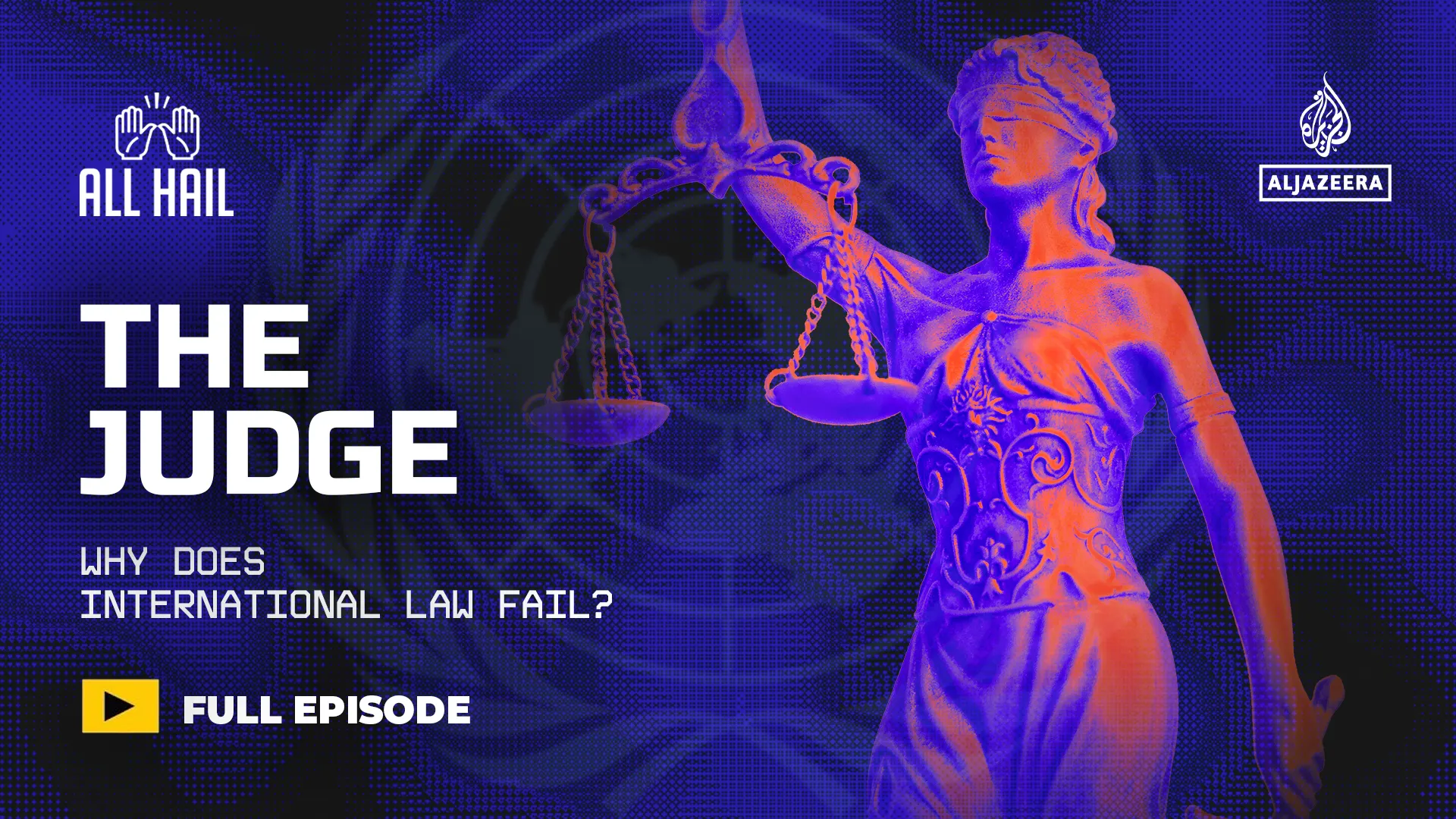
Al Jazeera has released the second episode of its five-part series 'All Hail the Military', titled 'Why international law can’t stop mass atrocities'. Hosted by Ali Rae, the analysis critiques the practical efficacy of international legal frameworks in preventing mass violence. The episode posits that while international law theoretically holds power to account, it has not been sufficient in practice to protect populations before disasters strike.
The piece examines the role of The Hague in the Netherlands, which hosts the world’s most powerful international courts, including the International Court of Justice and the International Criminal Court. The analysis notes that these institutions are typically consulted only after conflicts have erupted and wars have already shattered communities. This reactive engagement raises questions about whether the legal system can truly confront global militarism and prevent atrocities in real time.
The series aims to reveal the systems, power structures, and hidden complicities that sustain global militarism and its impact on populations. By framing the discussion within the 'All Hail the Military' narrative, the production team seeks to expose how these structures operate and why legal interventions often arrive too late to stop the initial violence.
This editorial perspective is contextualised by recent security developments in Mali, where the limitations of preventive international intervention appear stark. On 25 April 2026, unidentified armed groups launched attacks on military positions in Bamako, Kati, Gao, and Sevare. The Malian army described the perpetrators as unidentified armed "terrorist" groups and confirmed that fighting was ongoing.
Reports from Bamako indicated gunfire and heavy weapons fire near Modibo Keïta International Airport, with helicopters observed patrolling nearby neighbourhoods. These incidents illustrate the ongoing nature of conflict in regions where international legal intervention is often reactive, supporting the series' argument that current mechanisms struggle to address violence before it escalates.
The episode challenges viewers to consider whether the conscience of humanity, as represented by judges in The Hague, can effectively hold power to account when atrocities are already underway. The series continues to explore the gap between the theoretical power of international law and its practical application in sustaining peace and preventing mass suffering.