Al Jazeera report examines Qatar’s economic transformation under late Father Emir
A recent analysis from Al Jazeera Global News outlines the structural shifts in Qatar’s economy attributed to the late Father Emir, though specific policy details remain unprovided in the initial report.
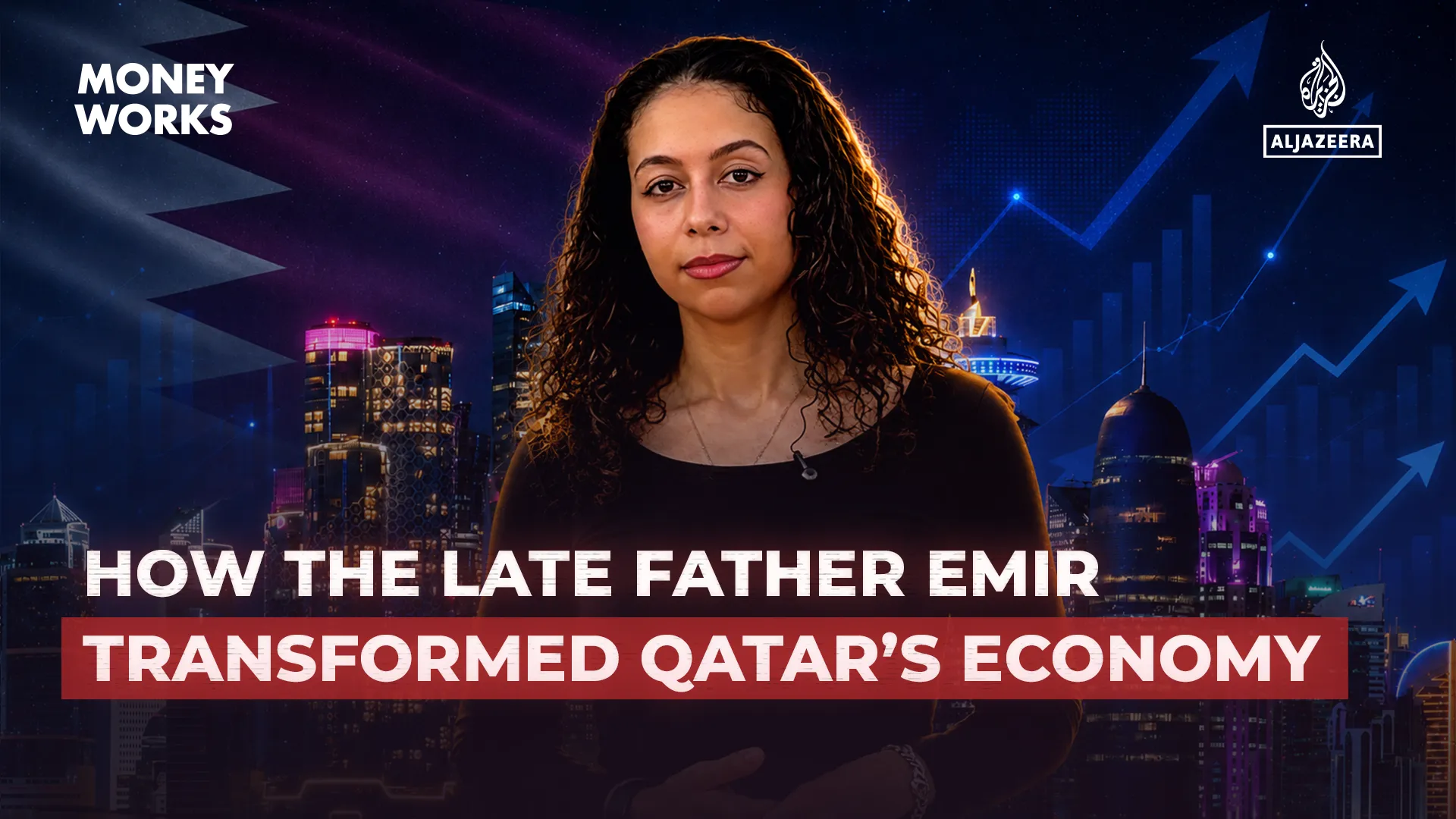
A report published by Al Jazeera Global News on 14 July 2026 has turned its attention to the economic evolution of Qatar, specifically examining the role of the late Father Emir in transforming the nation’s financial landscape. The publication, which categorised the story under security despite its economic focus, presented a summary detailing how the former leader reshaped the country’s markets.
The source material, however, remains limited to headline-level information and repetitive summaries. While the report asserts that the late Father Emir was instrumental in this transformation, the available text does not provide specific figures, policy mechanisms, or detailed outcomes of the changes implemented during his tenure.
The identity of the individual referred to as the "late Father Emir" is not explicitly named within the provided text. The descriptor implies a deceased former ruler, a detail that requires careful contextual verification given the political structure of the region. The report does not elaborate on the specific timeline or legislative actions taken to achieve the described economic shifts.
Retrieved background data associated with the 2026 World Cup, including matches involving Argentina, Mexico, and South Africa, appears unrelated to this specific economic narrative. The focus of the Al Jazeera piece remains strictly on the domestic economic restructuring attributed to the late leadership figure, separate from the sporting events occurring during the same period.
As the report stands, it serves as an institutional overview rather than a detailed forensic analysis of Qatar’s fiscal history. The lack of substantive data in the initial release suggests that further elaboration on the specific economic policies and their long-term impacts may be required to fully understand the extent of the transformation described.