Al Jazeera report examines enduring influence of deceased Rabbi on Israeli politics
A 23 June 2026 report from Al Jazeera investigates how the legacy of a deceased extremist Rabbi continues to shape the dynamics of Israeli governance, though specific identities and mechanisms remain undefined in the source material.
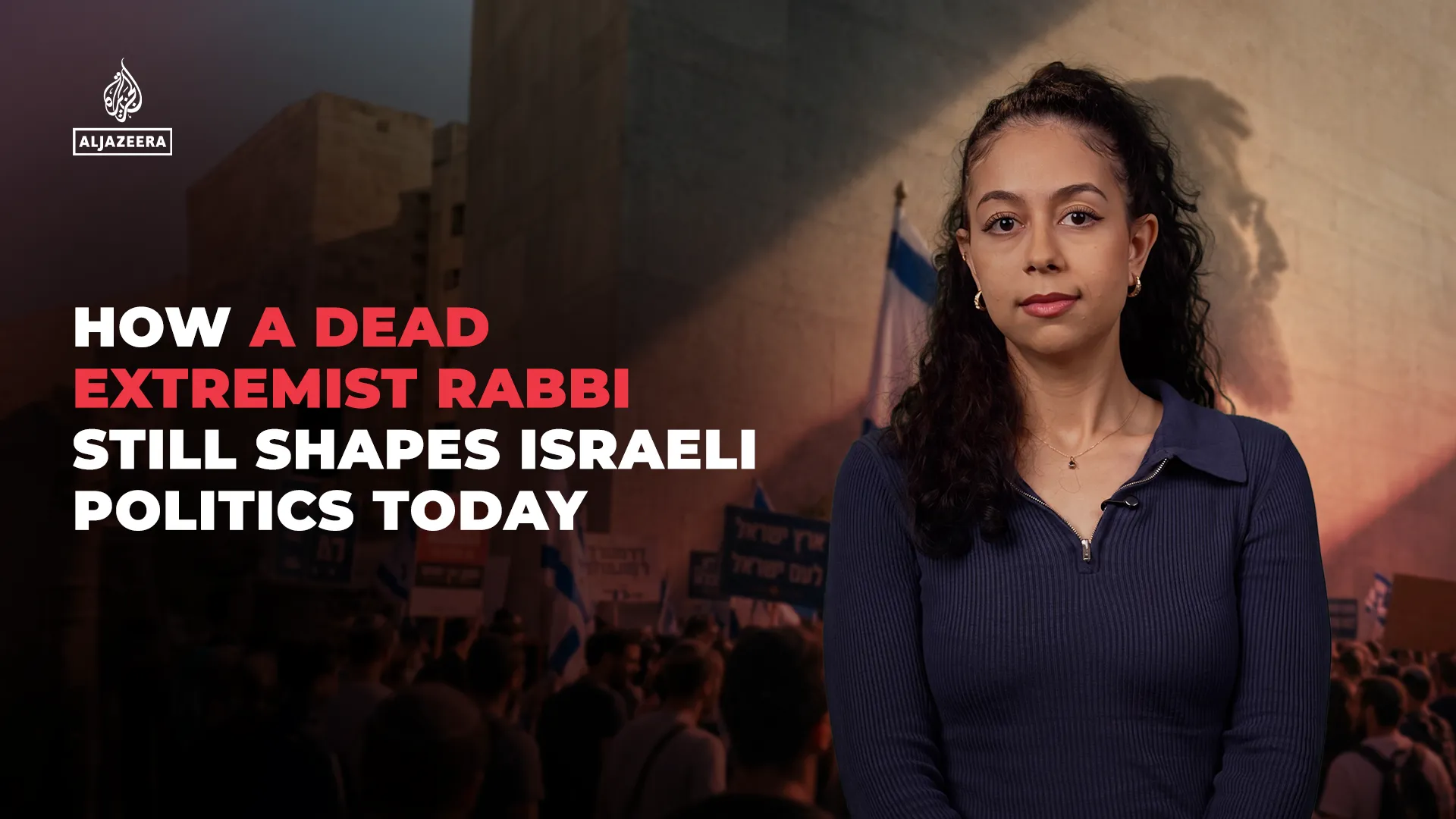
An Al Jazeera report published on 23 June 2026 examines the ongoing political influence exerted by a deceased extremist Rabbi within Israel. The broadcast segment focuses on how the legacy of this specific religious figure continues to shape the current political landscape, despite the individual no longer being alive.
The report frames the narrative around the enduring impact of extremist ideologies on institutional politics. It suggests that the ideological footprint of the Rabbi remains a relevant factor in the country’s governance structures, influencing the political discourse and policy orientations of contemporary actors.
However, the source material provided by Al Jazeera does not explicitly name the deceased Rabbi. The report’s summary and headline refer to the figure only by description, leaving the specific identity of the individual unconfirmed in the available text.
Similarly, the report does not detail the specific mechanisms or recent events through which this Rabbi’s legacy is currently influencing political outcomes. The analysis remains at a high level, focusing on the general premise that the extremist legacy persists in shaping political dynamics without providing granular evidence of specific legislative or electoral impacts.
The characterization of the Rabbi as an extremist is derived directly from the source’s framing. Independent verification of the specific extent of this political impact is not available in the provided text, and the report relies on its own narrative structure to establish the connection between the deceased figure and current political trends.
This report contributes to the broader discourse on the intersection of religious extremism and state governance in Israel. It underscores the complexity of political legacies, where the influence of past figures can continue to resonate in institutional settings long after their death.