Al Jazeera outlines health implications and mechanics of air conditioning systems
The World Health Organization identifies heat stress as the leading cause of weather-related deaths, prompting guidance on unit maintenance and heatstroke recognition.
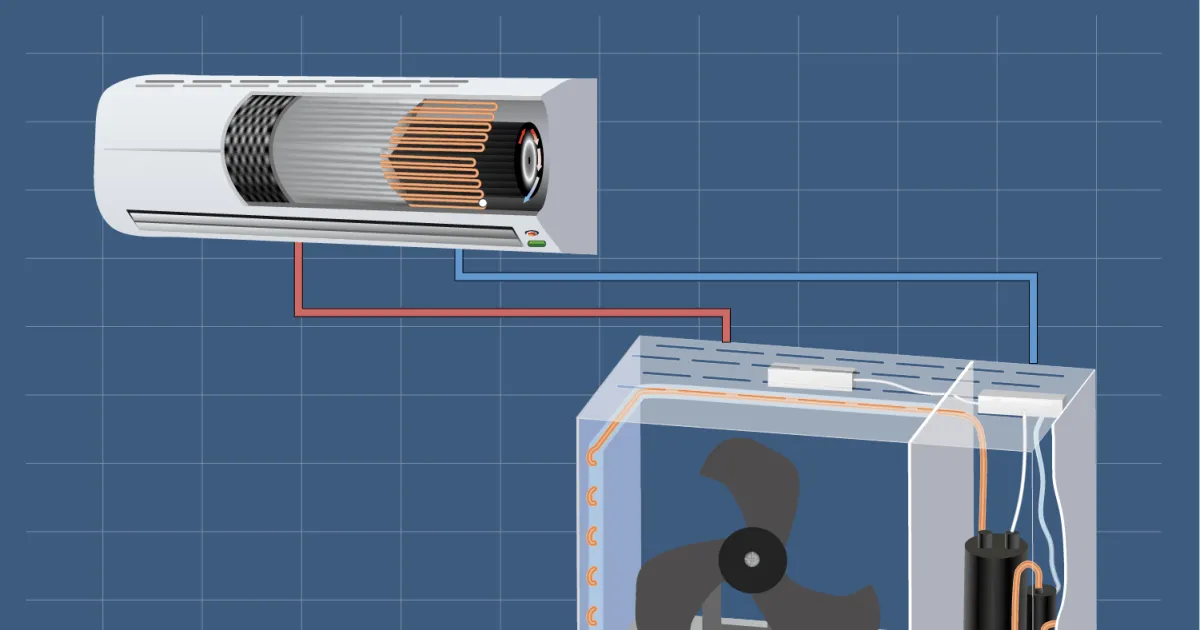
Al Jazeera published a visual explainer on 23 June 2026 detailing the operational mechanics of air conditioning systems and their associated impacts on human health. The report outlines the refrigeration cycle, noting that indoor units pull warm air over cold evaporator coils where liquid refrigerant absorbs heat and evaporates into a gas, cooling the air before it is blown back into the room. The warm refrigerant gas travels to an outdoor unit, releasing heat through a condenser coil that turns it back into a liquid, which then returns indoors to repeat the cycle.
The piece traces the technology's lineage from Willis Carrier’s 1902 invention of a humidity-control system for a New York printing plant to contemporary low-emission refrigerants. It highlights that while air conditioners mitigate heat stress—a leading cause of weather-related deaths according to the World Health Organization—they also remove moisture from the air, potentially causing skin dryness and irritation. The article provides practical guidance on recognising heatstroke symptoms, maintaining units to prevent adverse health effects, and constructing a basic DIY cooling device using ice and a fan.
Heatstroke is described as the most extreme form of heat stress, occurring when a body’s internal temperature exceeds 40 degrees Celsius. The explainer lists symptoms such as rapid heartbeat, rapid breathing, high body temperature, dehydration, or nausea. It suggests steps to lower body temperature while awaiting emergency medical aid for heatstroke, emphasising the severity of the condition if not treated immediately.
Long-term use of air conditioning, combined with poor maintenance, can lead to adverse effects on the body. The report offers guidance on maintaining air conditioning units to prevent these issues, noting that the regions with the highest heat stress generally experience a combination of high temperatures, high humidity, and intense sun exposure. Heat stress can exacerbate underlying illnesses, including cardiovascular disease, diabetes, mental health issues, and asthma.
For those without access to air conditioning or seeking to reduce energy costs, the article describes a DIY cooling method involving a styrofoam cooler, ice, and a fan. It notes that while this setup may not address humidity, it can provide temporary relief during the hottest summer days. The explainer was published as temperatures rise across the Northern Hemisphere, where nearly 90 percent of the world’s population resides.