Al Jazeera outlines 2026 World Cup tiebreaker protocols as knockout stages intensify
As the 2026 World Cup reaches its decisive phase, Al Jazeera has published a detailed explainer on the regulatory framework governing matches that remain level after 90 minutes, highlighting the structural shift to extra time and subsequent penalty shootouts.
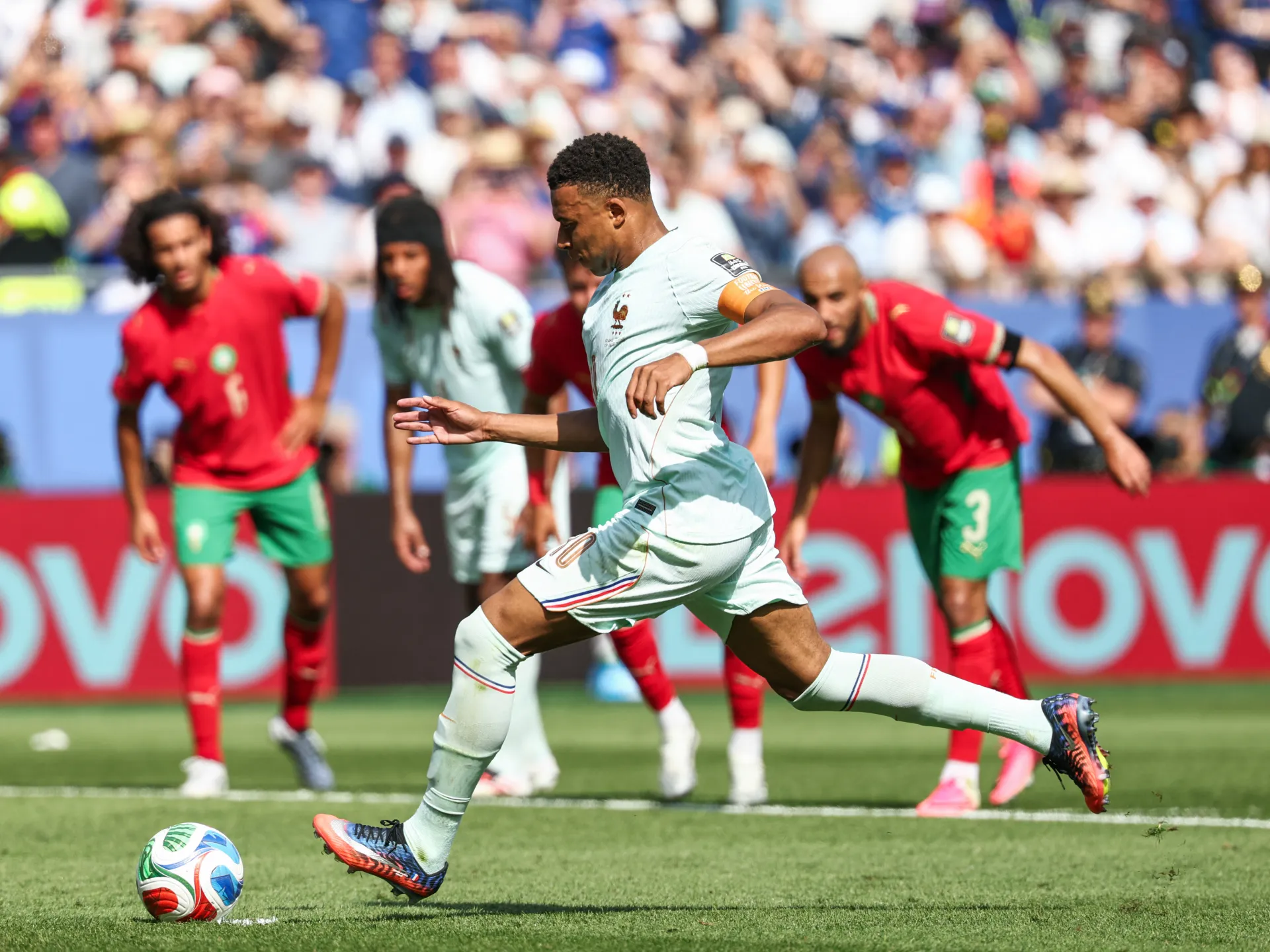
Al Jazeera published an explainer on 19 July 2026 detailing the tiebreaker procedures for the 2026 World Cup knockout stages. The rules specify that if a match is tied after 90 minutes, 30 minutes of extra time (two 15-minute halves) is played, with teams switching sides at half-time. If the score remains level, a penalty shootout ensues. A referee conducts coin tosses to determine the goal and which team kicks first. Each team selects five eligible players from the pitch at the end of extra time to take alternating kicks. If the scores are level after five rounds, the shootout proceeds to sudden death, where the first team to score and the other to miss in the same round wins. Goalkeepers must remain on the goal line between the posts until the ball is kicked.
The publication notes that several games in the 2026 World Cup have already ended in dramatic penalty shootouts, underscoring the practical application of these regulations. The explainer breaks down the operational mechanics of the tiebreaker phase, which serves as the primary mechanism for determining a winner when standard gameplay fails to produce a result. This regulatory framework is critical as the tournament moves into its final stages, where the margin for error is minimal and procedural adherence is paramount.
The protocol mandates that extra time lasts for a total of 30 minutes, broken into two 15-minute halves. At half-time, the teams switch sides as they do during a 90-minute match. A penalty shootout takes place if a match is still tied after the 30 minutes of extra time. A coin toss by the referee determines which goal the shootout is to be taken at. A second toss usually decides which team takes the first strike. In the initial round, each team selects five players to take the first five strikes. Teams alternate attempts: Team A, then Team B, and so on. Only players who were on the pitch at the final whistle of extra time can take penalties, and any eligible player can be chosen as a striker, including the goalkeeper.
The sudden death phase introduces a binary outcome structure. If the teams remain tied after five penalties each, the shootout goes to sudden death. Each team takes one penalty per round. As soon as one team scores while the other misses in the same pair, the shootout ends. The goalkeeper must remain on the goal line, facing the striker, between the posts until the ball is kicked. He can move along the line laterally but may not advance in front of it. These constraints ensure a standardized environment for the decisive moments of the match.
The timing of this regulatory clarification coincides with significant tournament developments. The 2026 World Cup final is scheduled for Sunday, 19 July 2026, in New Jersey. Recent matches have already highlighted the volatility of the knockout stages, including England’s 6-4 victory over France for third place, secured by Jude Bellingham’s goal in the 90+8th minute. This match marked Didier Deschamps' final game as manager of the French national team. Additionally, France’s 3-0 victory over Iraq was disrupted by severe weather, with play halted for two hours and 12 minutes due to thunderstorms and lightning.
Historical precedents continue to influence the narrative surrounding the tournament’s conclusion. Ten years prior, Lionel Messi retired from the national team after a 0-0 draw against Chile in the Copa America final at MetLife Stadium, a match decided by a penalty shootout where Messi missed. The current regulatory framework for the 2026 World Cup provides the structural context for these high-stakes encounters, ensuring that outcomes are determined by a clear, institutionalised process rather than ambiguity.