Al Jazeera opinion urges Europe to adopt African heat adaptation models
An opinion piece published by Al Jazeera on 18 July 2026 argues that European nations must look to African communities for tested strategies to manage extreme heat, framing adaptation as innovation rather than charity.
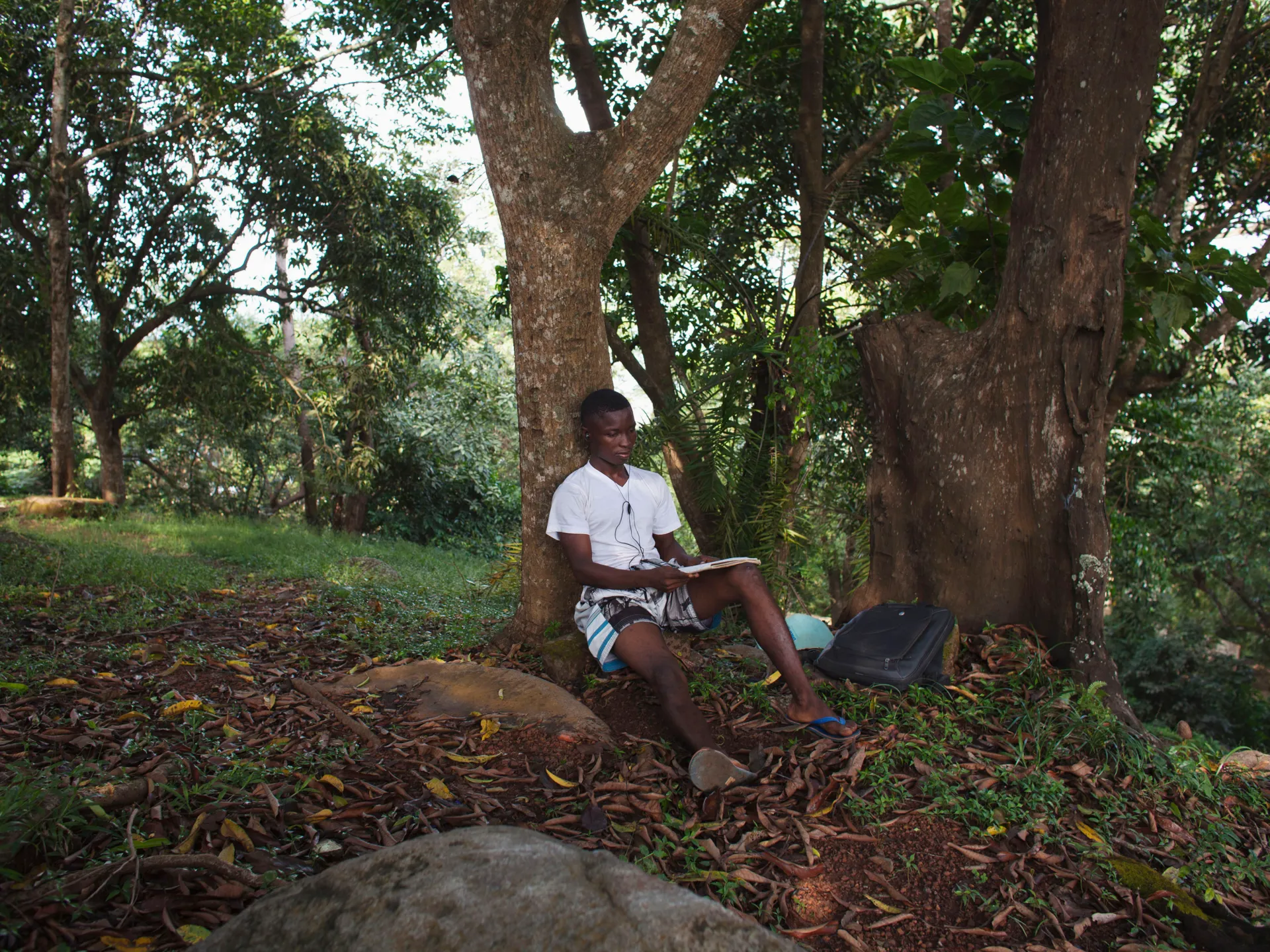
An opinion piece published by Al Jazeera on 18 July 2026 argues that European nations should look to African communities for practical solutions to extreme heat. The article contends that while Europe faces new climate instability, African communities have developed tested behavioural, architectural, and institutional adaptations over decades. Specific examples cited include climate-smart building design by architect Francis Kere in West Africa, Sierra Leone’s urban greening initiative in Freetown to combat heat islands, and Burkina Faso’s community-based heatwave alert and response system.
The author asserts that adaptation should be viewed as innovation rather than charity, urging North-South cooperation where European municipalities, health officials, and planners learn from African expertise in resource-constrained environments. The piece notes that while Europe is newly confronting extreme heat, African communities have lived with rising temperatures and fragile infrastructure for generations, developing approaches that offer real lessons for a rapidly warming continent.
Specific architectural solutions highlighted include climate-smart building design pioneered by Francis Kere, which utilises reflective roofing, thick local walls, and passive ventilation to cool buildings without heavy reliance on mechanical air conditioning. As European cities confront ageing housing stock ill-suited to sustained heat and energy grids strained by high air-conditioning demand, these low-tech, low-energy design principles are presented as deserving serious attention.
Urban greening initiatives are also cited as relevant models. Sierra Leone’s “Freetown the Tree Town” initiative is described as a large-scale tree-planting programme funded through the carbon credit market, specifically designed to tackle the urban heat island effect. The article suggests that European cities, many of which are dense and short on green cover, can learn from how Freetown has organised, financed, and sustained mass tree-planting at city scale.
Community health responses in Africa are presented as a model for protecting vulnerable populations. Burkina Faso’s national heatwave alert system is noted for going beyond weather warnings to actively promote hydration and conduct door-to-door check-ins on vulnerable residents. The author argues that Europe’s most exposed populations, including older people living alone and outdoor workers, would benefit from health systems organised around proactive, targeted, community-embedded care rather than generic public advisories.
The article asserts that adaptation finance has historically been underinvested in favour of emergency response, and calls for adaptation to be viewed as innovation rather than charity. It notes that climate adaptation solutions are not easily transplanted; they require reshaping and testing to account for local geography, building codes, culture, and governance.
The author concludes that while Africa’s experience with heat is often told as a story of vulnerability, it is also a story of invention and expertise. The piece urges European institutions to look south to communities and cities that have been learning how to adapt in real time, advocating for a two-way street of cooperation where Europe shares science and finance while learning from African adaptation practice.