Al Jazeera opinion piece urges Africa to pivot from fertiliser subsidies to agroecology
An analysis published by Al Jazeera argues that African governments should redirect financial support from chemical fertilisers to agroecological methods, citing debt burdens and supply chain vulnerabilities exacerbated by the US-Israel war on Iran.
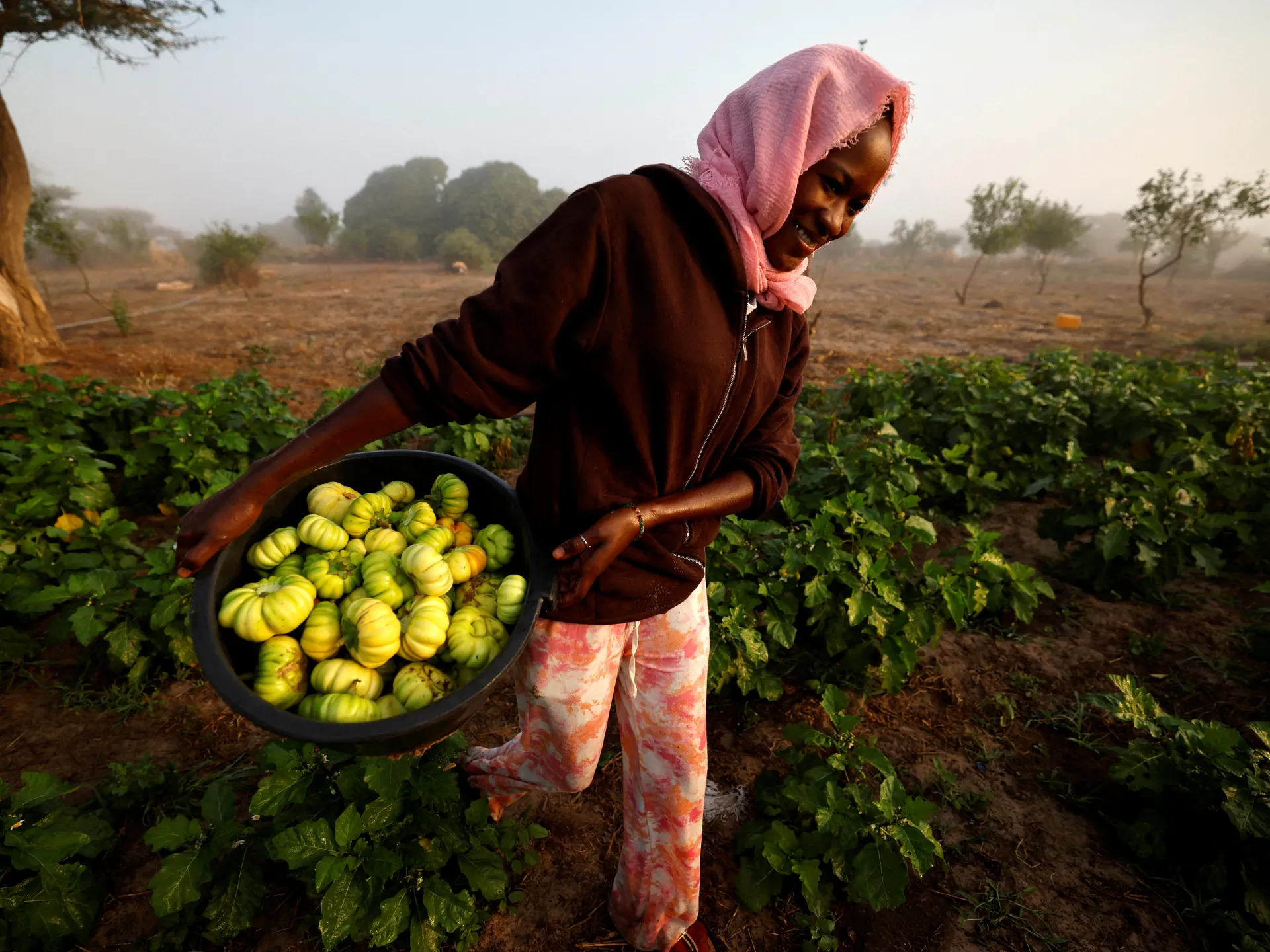
An opinion piece published by Al Jazeera on 16 May 2026 has called on African governments to redirect subsidies from chemical fertilisers to agroecology, arguing that the current approach is failing to secure food stability. The author links the risk of a global food crisis to the ongoing US-Israel war on Iran, which has disrupted fertiliser exports through the Strait of Hormuz and blocked shipments of natural gas and sulphur vital for production.
The article criticises previous subsidised fertiliser schemes for causing debt and failing to reduce hunger, citing Malawi as a negative example where spending on inputs forced cuts to public infrastructure and education. It highlights that agroecological methods, already used by organisations in West and North Africa, have been shown to increase yields and incomes without the environmental damage or high costs associated with chemical inputs.
According to the piece, upwards of 20 percent of global fertiliser exports are unable to move through the Strait of Hormuz due to the conflict. The author asserts that corporations controlling the fertiliser market make profit margins of 30-80 percent across Africa. A specific claim is made that Aliko Dangote’s urea factory in Nigeria hiked prices by 40 percent in early March, following the start of the US-Israel assault on Iran.
Evidence presented in the article cites studies from the 2000s involving 9 million farmers across 52 countries, finding yield increases of 50-100 percent for staples like cassava, sweet potato, millet, maize, and sorghum when environmentally sensitive techniques were applied. Specific data points are provided for Senegal, which saw 17 percent higher yields and 36 percent higher incomes, and Brazil, where figures were 49 percent and 177 percent respectively.
The opinion piece notes that 60 governments gathered in Colombia last month to call for phasing out fossil fuels, aligning this goal with the shift away from chemical inputs. It argues that local food systems, such as those supported by groups like Beo-neere in West Africa and the Network for Agroecological Transition in Tunisia, offer a sustainable alternative to the current crisis.