Al Jazeera opinion piece criticises Gaza reconstruction plan as coercive
A June 4 opinion piece in Al Jazeera asserts that the 15-point framework proposed by the Board of Peace’s high representative ties rebuilding to conditions that risk cementing Israeli control and ignoring the context of occupation.
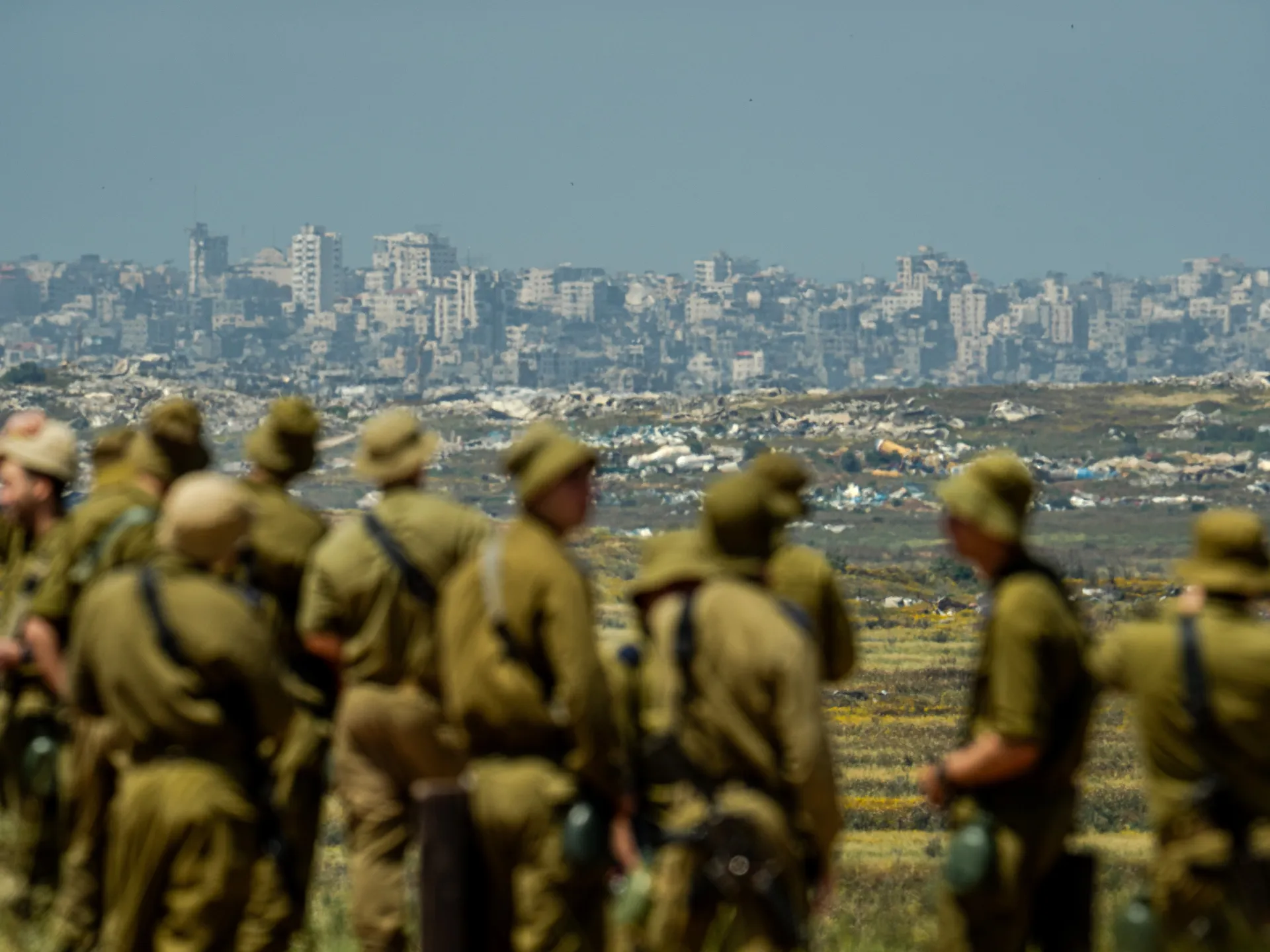
An opinion piece published by Al Jazeera on June 4, 2026, has sharply criticised a 15-point framework for Gaza’s reconstruction proposed by Nickolay Mladenov, the Board of Peace’s high representative. The article argues that the plan, presented as a roadmap for stability, effectively weaponises rebuilding efforts to enforce political control aligned with Israeli and US interests.
Mladenov, a former United Nations Middle East envoy, was appointed by US President Donald Trump to oversee the implementation of the broader Gaza framework. The opinion piece contends that the initiative transforms humanitarian obligations into leverage for engineering a new political order, asserting that the plan ignores the context of occupation and siege while risking the permanence of Israel’s temporary control.
The framework’s structure places large-scale rebuilding in the 15th and final point, contingent on the certification of areas as decommissioned and administered by a new body. Before Palestinians can rebuild homes, hospitals, schools, or infrastructure, 14 conditions must be met. These include the disarmament of Hamas, a phased Israeli military withdrawal, the restructuring of Gaza’s security apparatus, and the creation of a temporary governing body.
The author argues that this sequencing treats Gaza’s destruction not as a humanitarian emergency demanding immediate action, but as leverage to engineer a political order. The piece suggests that by isolating Palestinian weapons from the conditions that produced them, international discourse turns resistance into the central problem while rendering the realities of decades of siege and occupation politically invisible.
Reports cited in the article indicate that several members of the Palestinian committee intended to administer Gaza had offered their resignations following months of idleness, restricted access, and stalled implementation. The opinion piece describes the initiative as a US-managed political project operating within Israel’s red lines, constrained by structural realities that an envoy could not overcome.
With Israeli politics moving towards another election cycle, the article notes that competition has intensified around displays of security maximalism, narrowing the space for moderate compromise. The author warns that if reconstruction becomes permanently tied to political compliance, it sets a precedent where civilian suffering is instrumentalised indefinitely, potentially institutionalising resentment rather than delivering durable peace.
The piece concludes that stability imposed through deprivation is inherently fragile, arguing that a population denied sovereignty, mobility, and political agency cannot be managed into long-term submission. It asserts that reconstruction detached from political justice merely rebuilds the infrastructure of future collapse, leaving Gaza trapped in a cycle of externally managed fragmentation.