Al Jazeera journalist marks two decades of Twitter’s impact as platform rebrands to X
An Al Jazeera correspondent details how the social media network shaped coverage of the Iranian Green Revolution, the Arab Spring, and the killing of Qassem Soleimani, contrasting its early utility with its current iteration under Elon Musk.
An Al Jazeera journalist has published a reflection marking the 20th anniversary of Twitter’s public launch on July 15, 2006, contrasting the platform’s historical role in global journalism with its current iteration as X under Elon Musk. The author, who has worked for the BBC, Al-Monitor, and The Sunday Times, details their professional journey using the service to cover major geopolitical events, including the 2009 Iranian Green Revolution, the Arab Spring, and the 2020 US airstrike that killed Qassem Soleimani.
The piece outlines the platform’s evolution from early internet forums like Angelfire and MySpace, noting that Facebook provided a precursor spark before Twitter established itself as a breaking news tool. The journalist recalls a colleague at the BBC describing the service as a way to “set your own agenda,” a sentiment that helped frame their future as an international correspondent. While citizen journalism had precedents, such as Salam Pax’s war blog during the US-led invasion of Iraq, the journalist notes that Twitter allowed tens of thousands of individuals to adopt similar roles.
Specific anecdotes illustrate the platform’s utility in conflict zones. During the Libyan revolution in March 2011, the journalist was based in Sallum, a village on the Egyptian-Libyan border without direct internet access. They fed sentences one by one over a Thuraya satellite phone to a colleague in Cairo, who typed the reports into an account the journalist could not reach. This period of reporting across Libya, Egypt, Syria, and Somalia helped build their network and led to a specialisation in Iran, where they served as bureau chief in Tehran.
The author highlights a period of heightened influence while covering Iran’s nuclear talks, filing developments in Arabic and English before other news agencies had completed their first drafts. This coverage extended to the war against ISIL and the January 2020 strike near Baghdad airport, where the journalist was among the first to report the deaths of Quds Force commander Qassem Soleimani and Abu Mahdi al-Muhandis. The platform also facilitated personal connections, including the search for the journalist’s family graves in Palestine following the 100th anniversary of World War I.
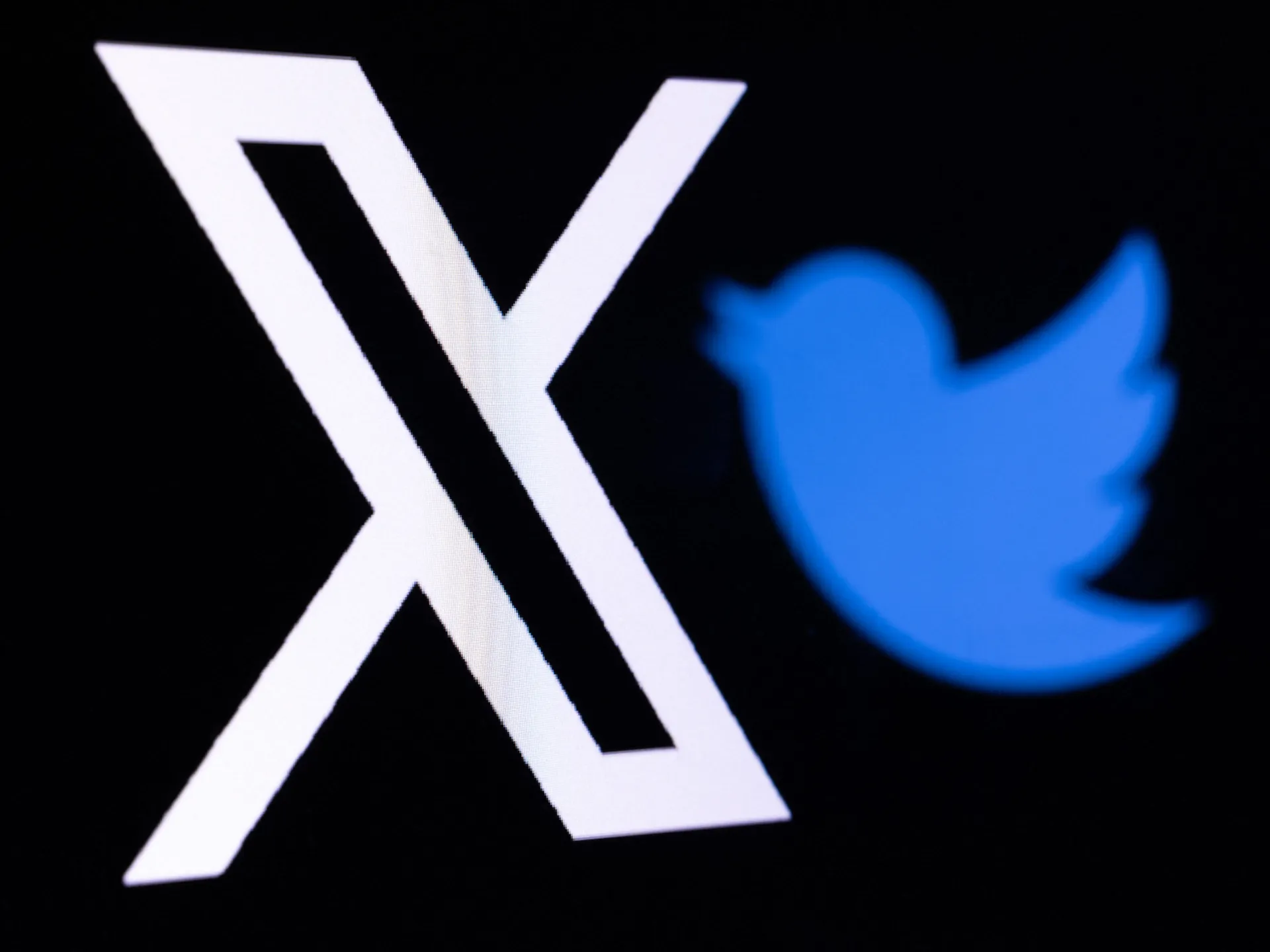
The reflection concludes with a critique of the platform’s rebranding. In the summer of 2023, prior to the official removal of the blue bird logo, the journalist posted a plea for someone to “buy Twitter and save the bird.” With the name replaced by a single letter and the logo removed, the author states that the change feels incongruous with the platform’s earlier identity. The piece also references the journalist’s academic work, a master’s thesis on “Twiplomacy” that examined how the platform rewired the choreography of nations, using Iran’s nuclear diplomacy as a case study.