Al Jazeera highlights gendered impact of ongoing Ebola crisis in DRC
The Democratic Republic of the Congo continues to grapple with an active Ebola outbreak, with international media focusing on the specific burdens placed on women, though detailed epidemiological data remains scarce in initial reports.
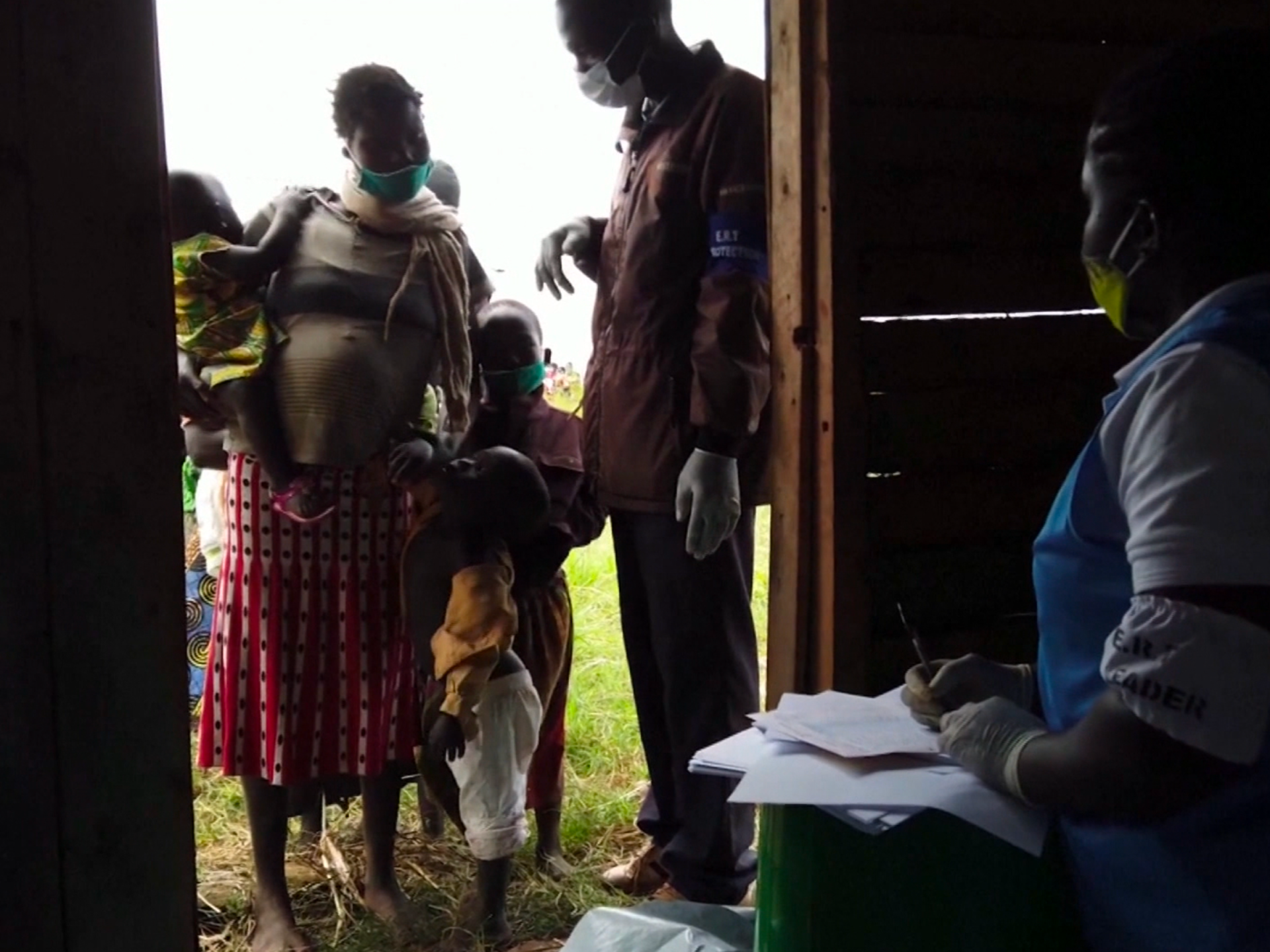
The Democratic Republic of the Congo (DRC) is currently managing an active Ebola outbreak, a recurring public health challenge for the Central African nation. According to a report published by Al Jazeera on 30 May 2026, the crisis is exerting a disproportionate impact on women, who are described as bearing the brunt of the epidemic.
The assertion that women are disproportionately affected was central to the reporting by the Doha-based broadcaster. The outlet characterised the situation as one where women face unique and heavier burdens compared to other demographics. This framing shifts the focus from general case numbers to the specific social and structural dynamics within the affected communities.
However, the source material provided by Al Jazeera does not elaborate on the specific mechanisms driving this disparity. It remains unclear from the available reporting whether the heightened impact stems from higher infection rates, the disproportionate role women play in caregiving, or broader economic and social consequences resulting from the outbreak.
The DRC has a documented history of Ebola outbreaks, making the management of such health emergencies a persistent governance issue. Despite the ongoing nature of the crisis, the current reports do not provide specific statistical data regarding case counts, mortality rates, or the geographic spread of the virus within the country.
As the situation evolves, the focus on the gendered dimensions of the outbreak suggests a need for targeted policy responses. Without further quantitative detail, the current narrative relies on the qualitative assessment provided by the reporting agency, highlighting a gap between the observed social impact and available epidemiological metrics.