Al Jazeera documentary examines colonial roots and institutional failure in Rwanda genocide
The report highlights how post-independence politics and economic crisis enabled extremists to utilise 'hate radio' and churches to organise mass murder, while international actors failed to intervene.
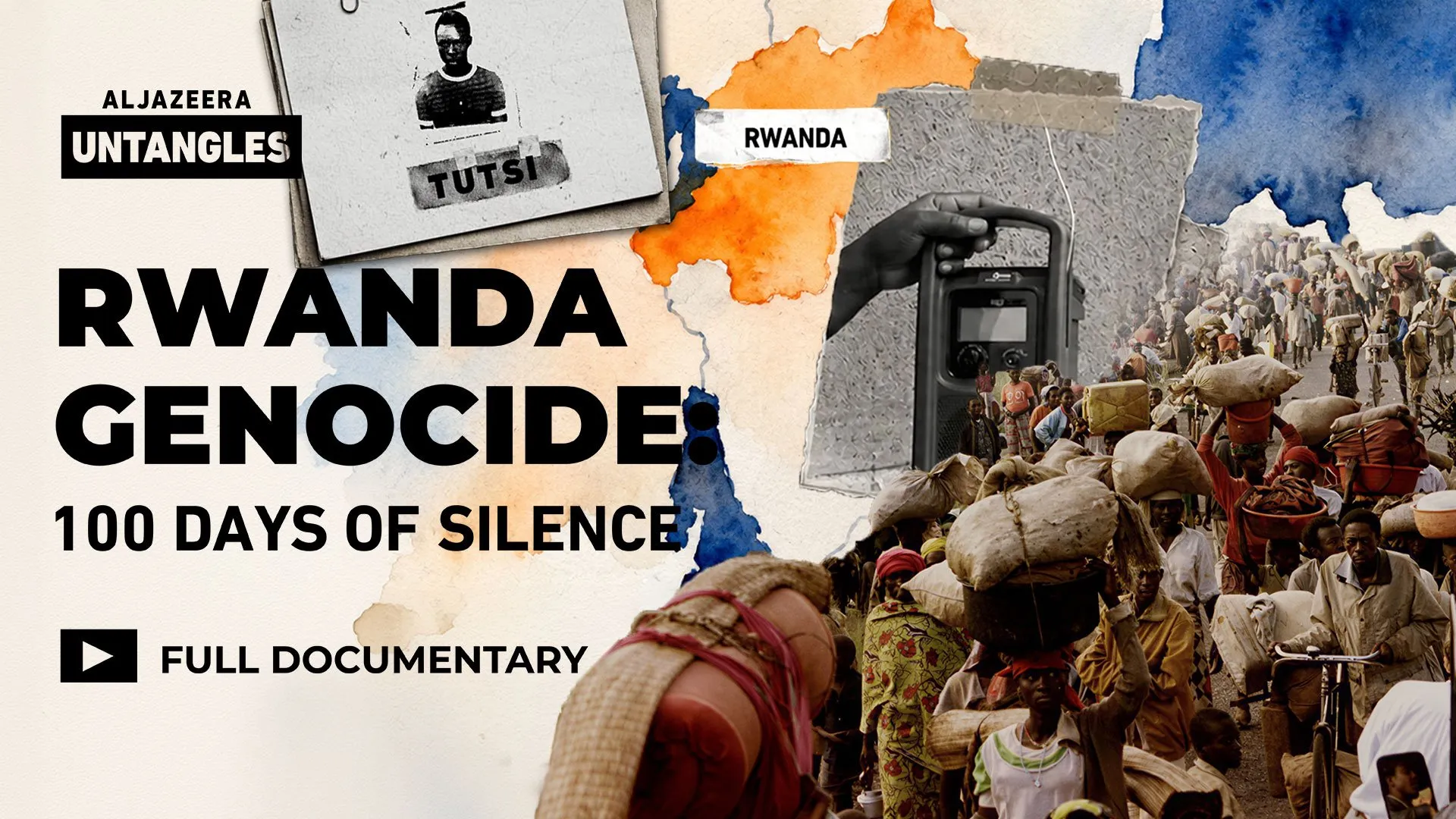
Al Jazeera has released a new documentary titled "Rwanda: The genocide against the Tutsi", which examines the 1994 mass atrocities in Rwanda as one of the few mass atrocities universally recognised under international law. The film traces how colonial rule transformed fluid social categories into fixed Hutu and Tutsi identities, laying the groundwork for subsequent political violence.
The report explores how post-independence politics, economic crises, and civil war created conditions for extremists to utilise media, churches, and 'hate radio' to organise mass murder. According to the documentary, these factors turned social distinctions into a racialised hierarchy of fear, enabling local officials, militias, and neighbours to organise killings with significant speed.
The narrative follows how the Arusha peace process and ongoing instability created space for extremists to prepare the population for violence through newspapers and radio broadcasts. The film utilises testimony and archive footage to illustrate the terrifying speed at which the genocide was executed and the extent to which international actors failed to intervene during the crisis.
Beyond the events of 1994, the documentary examines how courts, memorials, and political power have subsequently shaped Rwanda’s official narrative of the genocide. This focus underscores the ongoing institutional efforts to define the historical record and manage the political legacy of the atrocities through state-sanctioned memory and legal proceedings.
The release of the film provides a structured examination of the intersection between colonial history, media manipulation, and state failure, offering a comprehensive look at the mechanisms that enabled one of the most significant crimes against humanity in the modern era.