Al Jazeera analysis warns of four-wave economic disruption from Iran conflict
An analysis published on 21 May 2026 argues that the conflict involving Iran, the United States, and Israel will trigger sustained global instability, disproportionately harming the Global South through energy, trade, and political shocks.
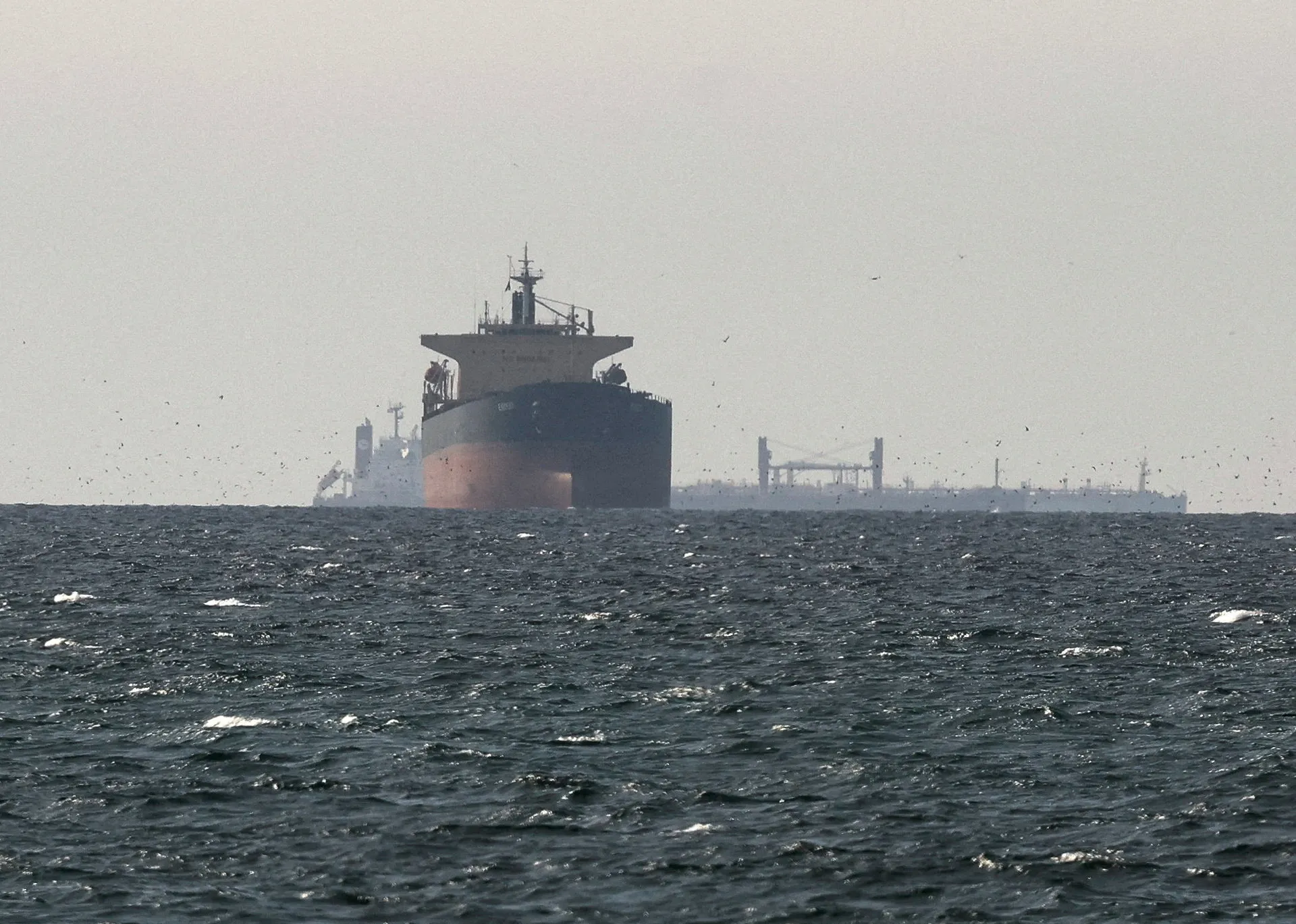
An opinion piece published by Al Jazeera on 21 May 2026 argues that the ongoing conflict involving Iran, the United States, and Israel will trigger prolonged global economic and political disruption, extending well beyond immediate energy price hikes. The article posits that the impact will unfold in four distinct waves: initial spikes in energy and fertiliser costs; structural damage to global trading systems that persists after hostilities cease; economic redistribution that disproportionately harms the Global South; and political instability in vulnerable nations due to downstream inflation.
The first wave involves immediate commodity volatility, with the disruption to the Strait of Hormuz removing both liquefied natural gas and fertiliser from the global market. The Gulf region accounts for approximately 30 per cent of global ammonia exports and 35 per cent of urea exports, both heavily routed through the strait. Consequently, fertiliser prices are expected to rise within months of energy spikes, followed by food prices within two planting seasons and manufactured goods within 12 to 18 months.
The second wave comprises architectural damage to global trading systems that refuses to reverse even if security stabilises. Drawing parallels to the rerouting of shipping around the Cape of Good Hope following Red Sea attacks, the analysis notes that carriers and insurers absorb fixed costs of longer routes. These structural adjustments prevent a return to previous transit patterns, meaning the cost penalties of rerouting remain embedded in the system long after the initial crisis.
The third wave represents a complex economic redistribution that harms developing economies. While advanced nations utilise fiscal cushions and reserve currencies to absorb shocks, the Global South experiences import compression, currency depreciation, and rationing. With food accounting for 44 per cent of household expenditures in low-income countries compared to 16 per cent in advanced economies, the conflict effectively transfers welfare from the world’s poorest households to commodity exporters and financial intermediaries.
The fourth wave is political, as supply chain shocks erode social contracts in nations with depleted legitimacy reserves. The article cites historical precedents such as the Arab Spring and Sri Lanka’s government collapse, where external price shocks translated into internal political rupture. The analysis warns that downstream inflation from the Iran conflict will land on countries already operating with narrow fiscal space, potentially leading to government collapses that are subsequently misdiagnosed as domestic governance failures rather than consequences of global war.
To mitigate these impacts, the author proposes three structural reforms. These include establishing regional food and fertiliser reserves under the Organisation of Islamic Cooperation or G77 frameworks, creating a Global South war-risk reinsurance pool, and reforming the International Monetary Fund. Currently, the IMF classifies war-induced shocks as policy failures, requiring conditionality designed for fiscal mismanagement. The article argues for utilising existing mechanisms, such as the Catastrophe Containment and Relief Trust, to treat exogenous shocks with rapid liquidity and minimal conditionality.
The analysis concludes that the framework for peace will likely be signed by the belligerents while the economic bill is written on the economies least exposed to the conflict. The architecture of recovery is currently being designed by parties who do not bear the brunt of the fallout, leaving the Global South to absorb the long-term costs of a war they did not start.