Al Jazeera analysis ranks MENA contenders ahead of 2026 World Cup
New report from Al Jazeera breaks down squad strengths and group stage challenges for Algeria, Egypt, Iraq, Jordan, Morocco, Qatar, Saudi Arabia, and Tunisia
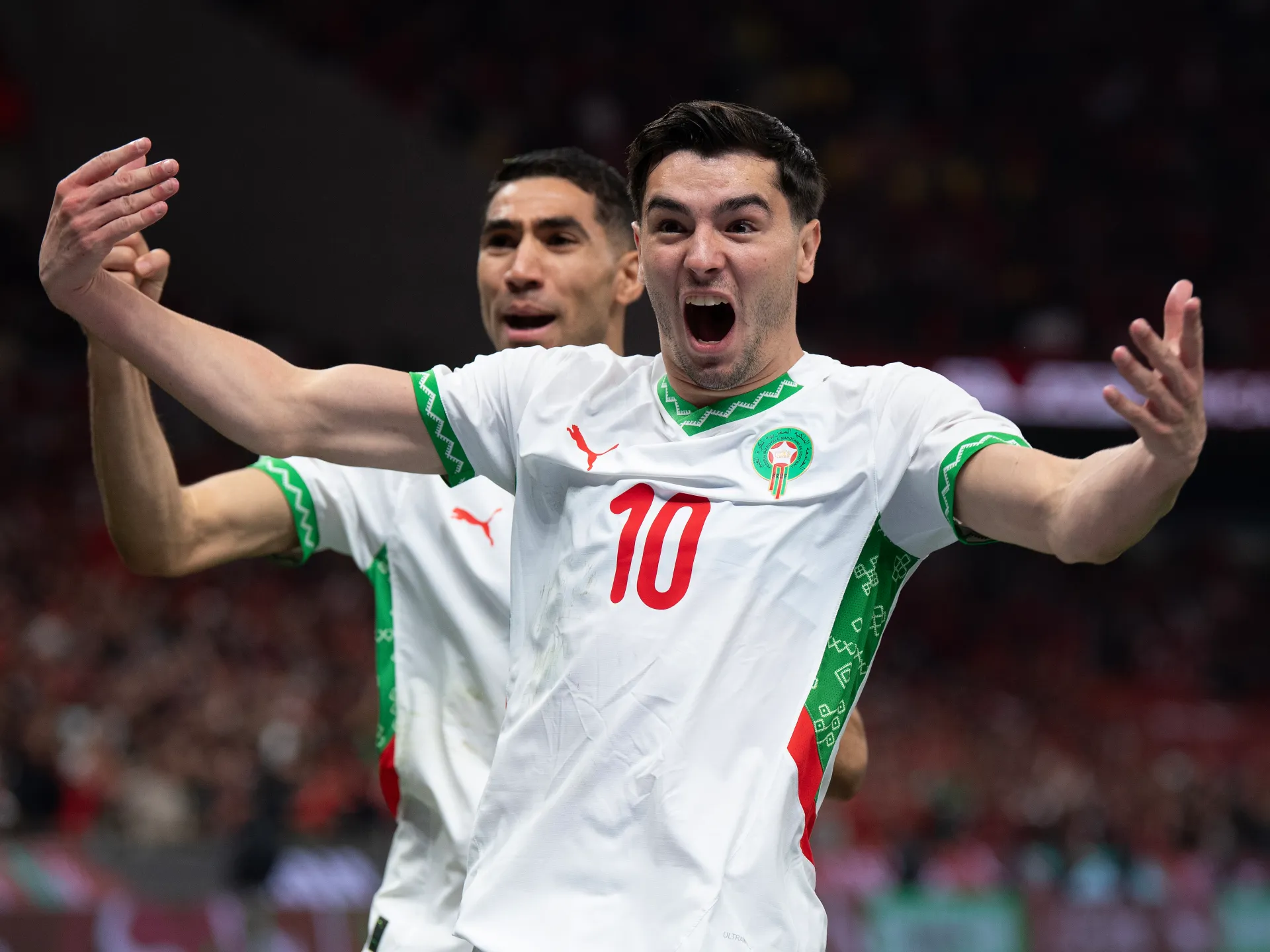
Al Jazeera has published a comprehensive analysis ranking the eight Middle East and North African (MENA) teams participating in the 2026 FIFA World Cup in North America. The report assesses the prospects, squad strengths, weaknesses, and group stage challenges for Algeria, Egypt, Iraq, Jordan, Morocco, Qatar, Saudi Arabia, and Tunisia. Morocco is identified as the strongest regional contender, a status bolstered by their historic semi-final run at the 2022 World Cup. The tournament is scheduled to commence on 11 June 2026.
Morocco enters the tournament with elevated expectations, viewed not as outsiders but as a side capable of challenging the world’s elite. The Atlas Lions possess a settled squad with defensive solidity and technical quality, though the analysis notes that the pressure of expectation and the need to break down cautious opponents could hinder their progress. They face a demanding Group C alongside Brazil, Scotland, and Haiti.
Algeria return to the World Cup for the first time since 2014, carrying optimism tempered by questions over consistency. The Desert Warriors boast significant attacking depth with players such as Riyad Mahrez, Mohamed Amoura, and Adil Boulbina. However, defensive inconsistency remains a primary concern for head coach Vladimir Petkovic. Algeria face a difficult Group J alongside defending champions Argentina, Austria, and World Cup debutants Jordan.
Egypt, the dominant force in African football with seven Africa Cup of Nations titles, continue to chase their first World Cup victory. The Pharaohs possess a dangerous attacking unit but are often reliant on key individuals and have struggled with defensive lapses against top-tier opposition. Drawn in Group G with Belgium, New Zealand, and Iran, Egypt view securing a group stage win as a significant achievement in itself.
Iraq return after a 40-year absence, carrying the hopes of a nation eager to see more than just qualification. Their greatest strength lies in their mentality and resilience, with set pieces and veteran goalkeeper Jalal Hassan providing security. However, their attacking play relies heavily on Aymen Hussein. Iraq face one of the toughest draws in Group D with France, Senegal, and Norway.
Jordan enter their first World Cup with a focus on defensive discipline and quick transitions under head coach Jamal Sellami. The squad is well-drilled but lacks the overall depth and individual star power of their Group J opponents, Argentina, Algeria, and Austria. Jordan hope to utilise counter-attacking opportunities led by Mousa Al-Tamari to make a positive impression.
Qatar return for their second appearance, seeking to improve upon a difficult debut in 2022 where they became the first host nation to lose all three group matches. Technical ability and cohesion remain their strengths, but defensive vulnerability against higher-quality opposition is a concern. They are drawn in Group B with Switzerland, Canada, and Bosnia and Herzegovina.
Saudi Arabia arrive in their seventh World Cup, aiming to replicate the upset against Argentina in 2022. The team combines technical quality with relentless intensity, though consistency remains an issue. They face a daunting Group H against Uruguay, Spain, and Cape Verde. Salem Al-Dawsari and midfielder Mohammed Kanno are key figures expected to drive their campaign.
Tunisia, appearing in their seventh World Cup, continue to struggle to progress beyond the group phase. Defensive discipline is their greatest asset, but scoring goals remains a significant challenge. Drawn in Group F with the Netherlands, Japan, and Sweden, Tunisia’s hopes rest on maintaining defensive solidity while emerging talents like Khalil Ayari provide attacking spark.