AI’s Promise Comes With a Bleak Social Cost, Essay Argues
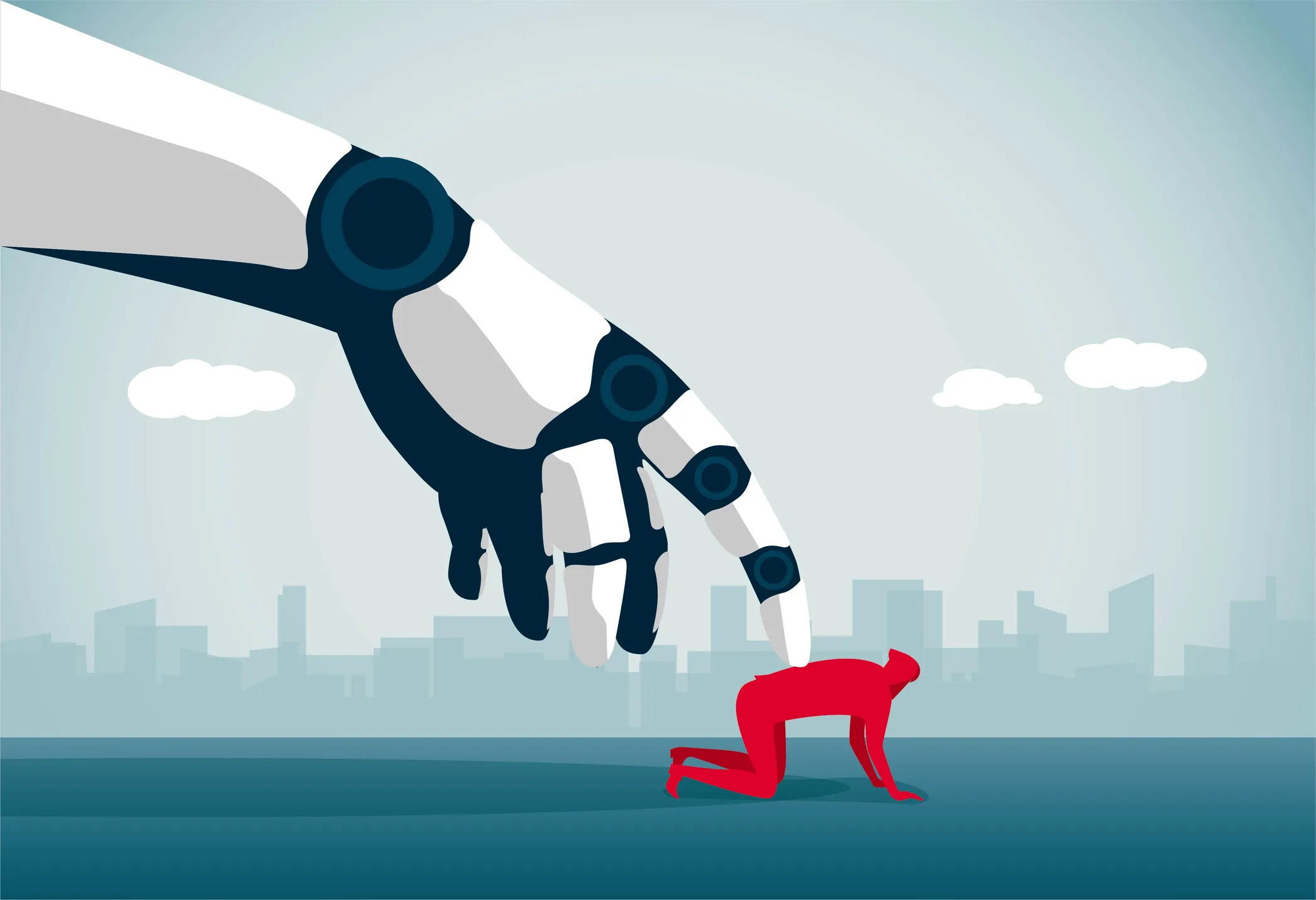
A Hacker News-published essay weighs AI’s technological breakthroughs against risks to humanity, the open web, artists and democratic institutions.
An essay published on Hacker News presents an ambivalent assessment of artificial intelligence, describing the technology as positive in its capabilities but bleak in its effects on society.
The writer says neural networks and large language models have exceeded expectations, producing forms of planning and reasoning despite having no explicit planning algorithm. That apparent emergence is described as both surprising and unsettling.
The essay also raises fears of catastrophic AI risk. The writer regards Eliezer Yudkowsky’s argument that a superintelligent AI will inevitably destroy humanity as compelling, while criticising the lack of serious efforts to sandbox systems because of their usefulness when given broad access.
The writer argues that AI crawlers and agents are making open-web communities harder to sustain, and says AI-generated content is increasing pressure on artists by producing some forms of content more cheaply and quickly.
Political inaction, concentrated wealth and the environmental resource use of AI companies are also criticised. The writer expresses anger that political systems have not curbed the power of capital, while preferring democratic government to rule by billionaires.
At the same time, the essay conveys enthusiasm for technological discovery and says AI has radically transformed software development in 2026. The writer says the technology enables the creation of code, images and music that might otherwise never have existed. The essay says Mistral reviewed the text, but that every word was written by the author.