Aid cuts and drought converge to deepen humanitarian emergency in southern Somalia
Over 300,000 people displaced since January; severe malnutrition cases triple as international response stalls
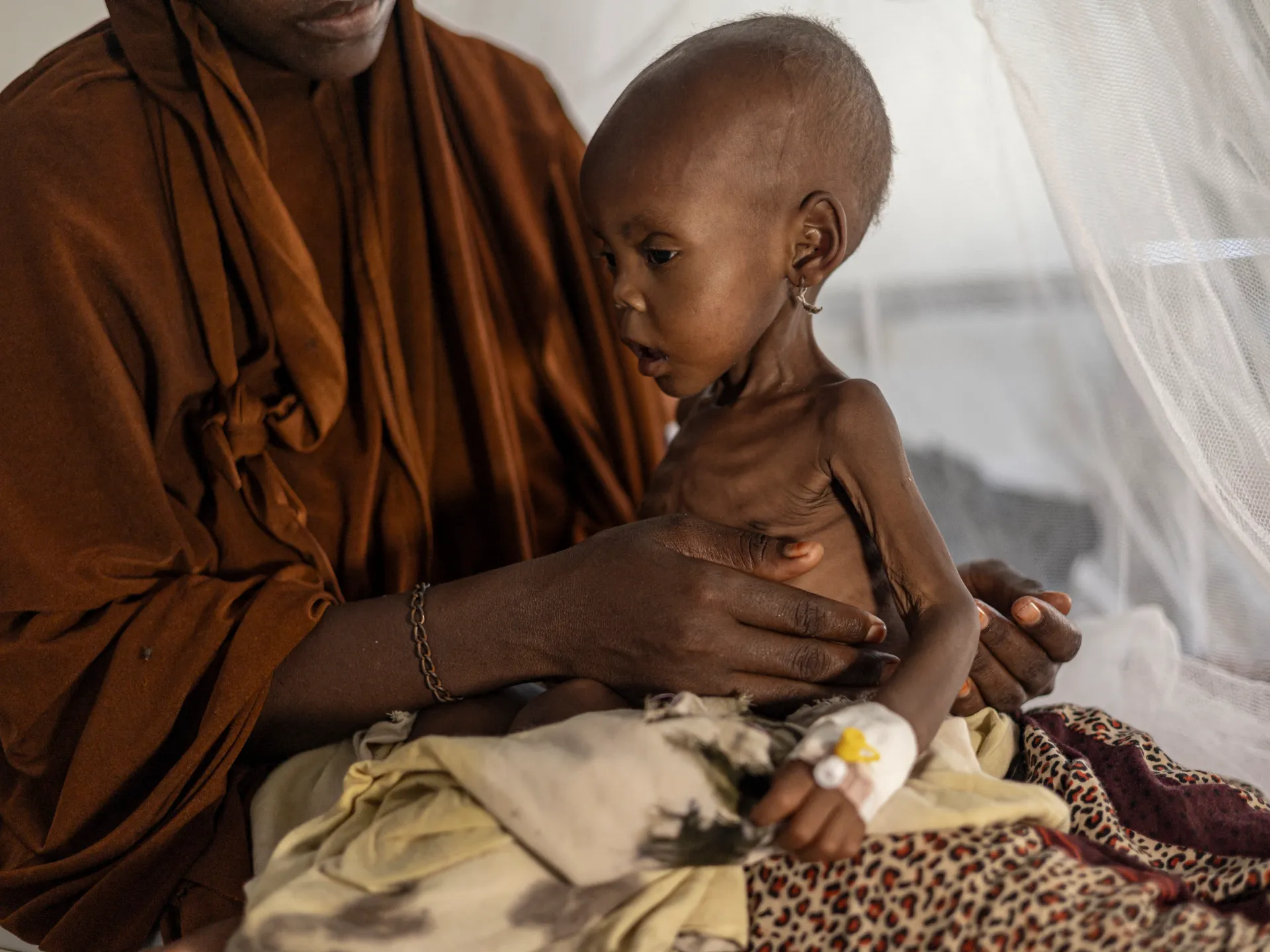
A severe humanitarian crisis is unfolding in southern Somalia, driven by a convergence of prolonged drought, active conflict with al-Shabab, and drastic reductions in international aid funding. In the Kismayo region alone, more than 300,000 Somalis have been forced to leave their homes since January. The situation has deteriorated rapidly, with malnutrition rates doubling and severe cases tripling compared to the previous year.
International organisations, including Save the Children and the UN OCHA, face operational halts due to severe funding cuts, resulting in the closure of over 200 health centres and 400 schools. Rising fuel prices, exacerbated by regional geopolitical tensions, further restrict access to essential food and water supplies, overwhelming the few remaining medical facilities.
The United Nations Office for the Coordination of Humanitarian Affairs has had to steadily reduce its Somalia programme from $2.6 billion in 2023 to $852 million this year. This contraction follows significant reductions in foreign aid, with only 13 per cent of this year's target raised so far. Tom Fletcher, head of OCHA, described the situation as a toxic cocktail of factors where agencies are often forced to choose which lives to save.
In the Kismayo camp for internally displaced persons, several international organisations have stopped operations largely due to aid cuts ordered by United States President Donald Trump last year. The only regional hospital capable of treating the most severe cases of malnutrition is turning patients away due to a lack of space and staff, as every bed is occupied by starving infants requiring intensive care.
Three consecutive seasons of failed rains have decimated herds and crops, leaving farmers and displaced families with little recourse. In March alone, five children were recorded as dying of malnutrition in Kismayo camps. Maryam, a mother who fled her village under al-Shabab control, noted that while fighters seize limited food supplies, the camp itself offers little relief as aid agencies struggle to deliver care.
The crisis is compounded by rising fuel prices affecting the transport of food and water, while the US-Israel war on Iran further strains logistics. Ali Adan Ali, a Jubbaland official managing the displaced, stated that authorities cannot afford to address all the needs of the population, even if the forthcoming rainy season is normal. The country ranks among the world's most vulnerable to climate change, bearing the brunt of extreme weather despite contributing the least to global warming.