AI infrastructure pivot sparks debate over mini data centres and local impacts
As the artificial intelligence sector shifts focus from model training to inference, industry players are proposing downsized infrastructure, even as communities in South Africa raise alarms over energy and water costs.
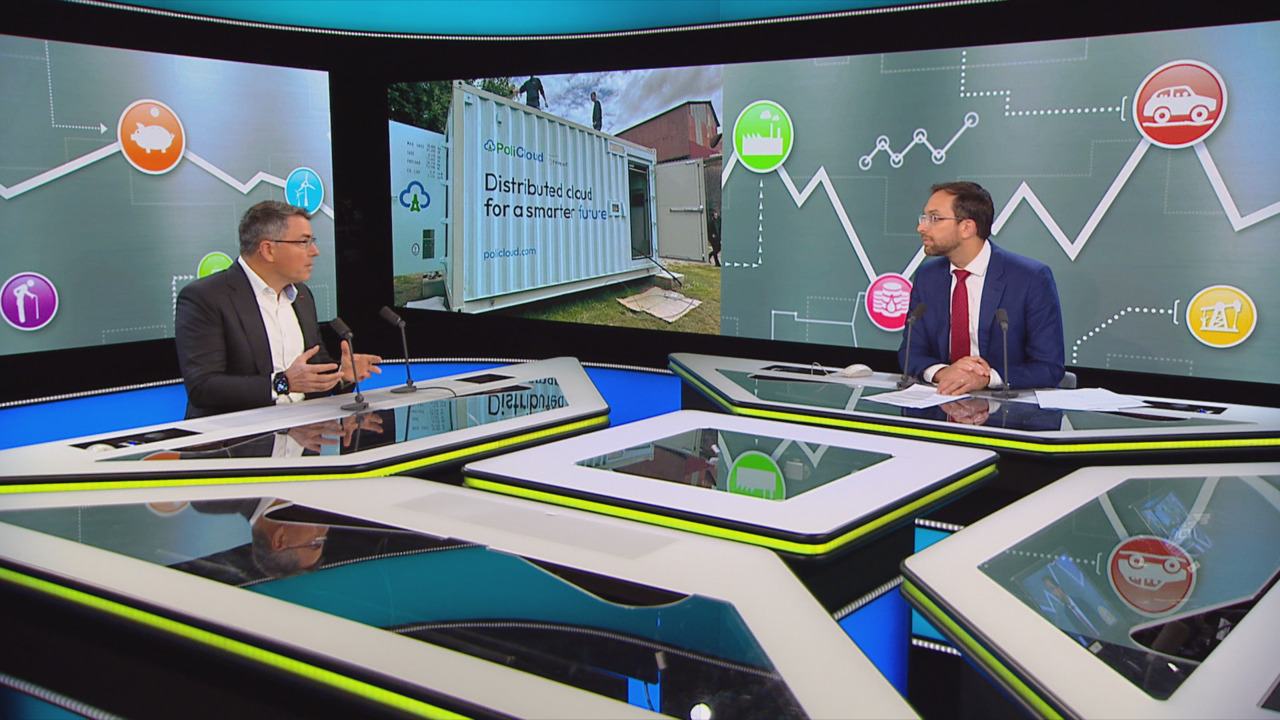
The artificial intelligence industry is undergoing a strategic pivot, moving its primary focus from the initial training of models to inference, which involves the actual execution of tasks by trained systems. This transition has prompted a re-evaluation of the infrastructure required to support growing computational demands, leading to debates over the scale and siting of data centres.
French entrepreneur David Gurlé’s startup, Antimatter, is positioning itself to service this inference boom by promoting mini data centres housed within containers. The company claims that its solution, which includes associated software, can operate at a fraction of the cost and time compared to traditional large-scale facilities, offering a more agile alternative for the evolving technological landscape.
Concurrently, the expansion of data centre infrastructure is encountering significant resistance in Cape Town, South Africa. Plans for new facilities are facing pushback from local stakeholders who cite concerns over rising electricity costs, noise, and pollution. These issues are compounded by critical water stress, a significant environmental and infrastructural challenge in the region.
The contrast between the proposed downsizing of infrastructure in Europe and the community opposition in South Africa highlights the complex governance and policy challenges associated with the AI boom. While startups advocate for compact, cost-effective solutions to meet demand, local communities are prioritising the sustainability of essential resources such as water and energy.
As the industry continues to navigate the shift towards inference, the tension between technological advancement and local environmental and economic impacts remains a central point of discussion for policymakers and industry leaders alike.