AI executives retreat from mass unemployment warnings as employment data lags rhetoric
While major economic institutions report only minor employment impacts to date, the shift in tone coincides with high-profile initial public offerings and ongoing corporate restructuring linked to automation.
Prominent artificial intelligence executives are moderating earlier warnings regarding mass job losses, suggesting that previous predictions of widespread unemployment overstated the near-term impact on the labour market. This shift in rhetoric occurs as the industry faces growing public hostility over workplace disruption and as companies such as OpenAI and Anthropic prepare for high-profile initial public offerings.
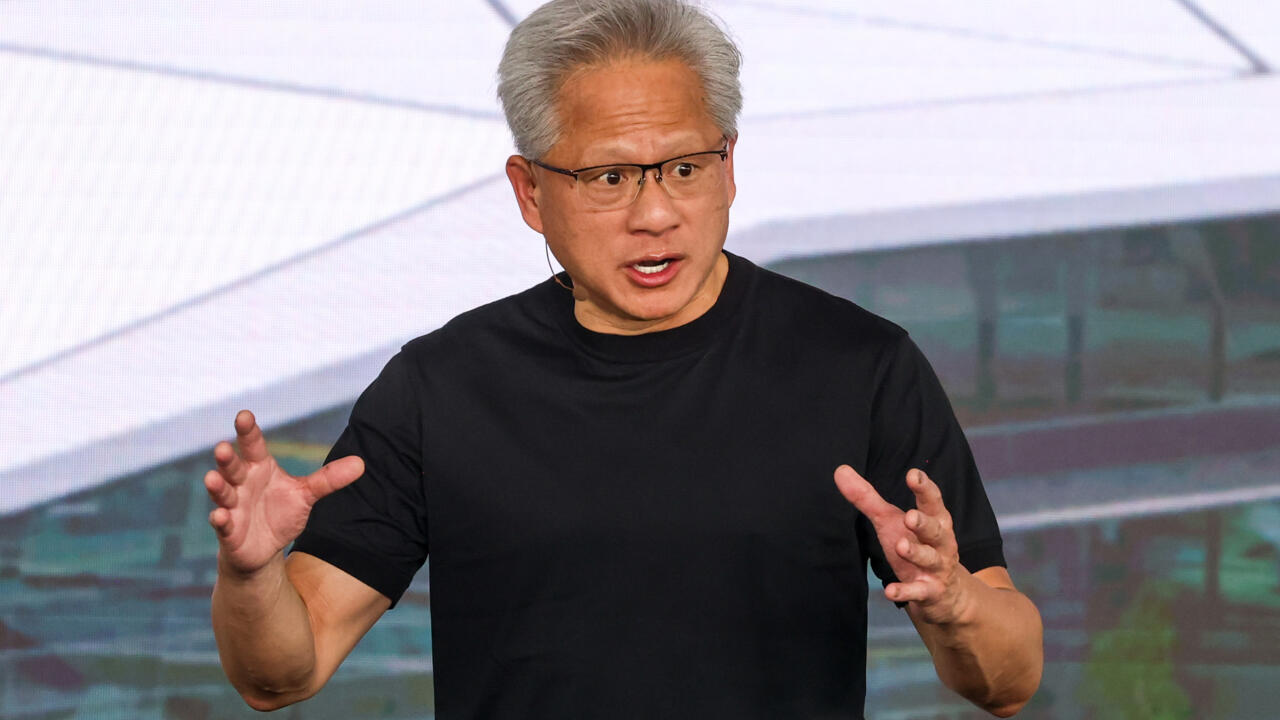
Nvidia chief executive Jensen Huang has taken direct aim at fellow executives who have publicly blamed AI for workforce reductions. Speaking to Channel News Asia, Huang described the narrative connecting AI to job losses as lazy and disingenuous, arguing it is illogical to claim the technology caused layoffs two years ago when it only became widely productive around six months prior. He characterised such warnings as irresponsible and a method for leaders to appear intelligent while scaring the public.
OpenAI chief executive Sam Altman also moderated his stance, admitting at the Commonwealth Bank of Australia’s Accelerate AI Conference in Sydney that his previous intuitions regarding the elimination of entry-level white-collar jobs were incorrect. Altman noted that the expected impact on these roles had not materialised, acknowledging that his earlier predictions of a jobs apocalypse were off the mark.
Anthropic’s Dario Amodei has similarly softened his tone, predicting that even if 90 percent of jobs are automated, the remaining 10 percent would be handled by human workers who would be vastly more productive. Amodei, who has previously been criticised by industry figures including Huang for being an AI doomer, now suggests a future of heightened human productivity rather than mass displacement.
Despite these industry reassessments, Federal Reserve Governor Lisa Cook warned that the full effects of AI on employment may still be ahead. In a speech at Stanford University, Cook described the situation as potentially the most significant reorganisation of work in generations, noting that job losses could precede any gains, even if the long-run picture remains positive.
Current data from the European Central Bank indicates that artificial intelligence has had only minor effects on employment so far. However, corporate restructuring continues, with Standard Chartered announcing plans to cut thousands of jobs by 2030 as AI replaces administrative roles, and Snapchat recently cutting 1,000 jobs citing AI-driven efficiency.