AI data centres drive surge in solid-state transformer investment
As electricity demand from artificial intelligence infrastructure strains the grid, US firms have raised over US$280 million to commercialise modern power electronics that replace 19th-century transformer designs.
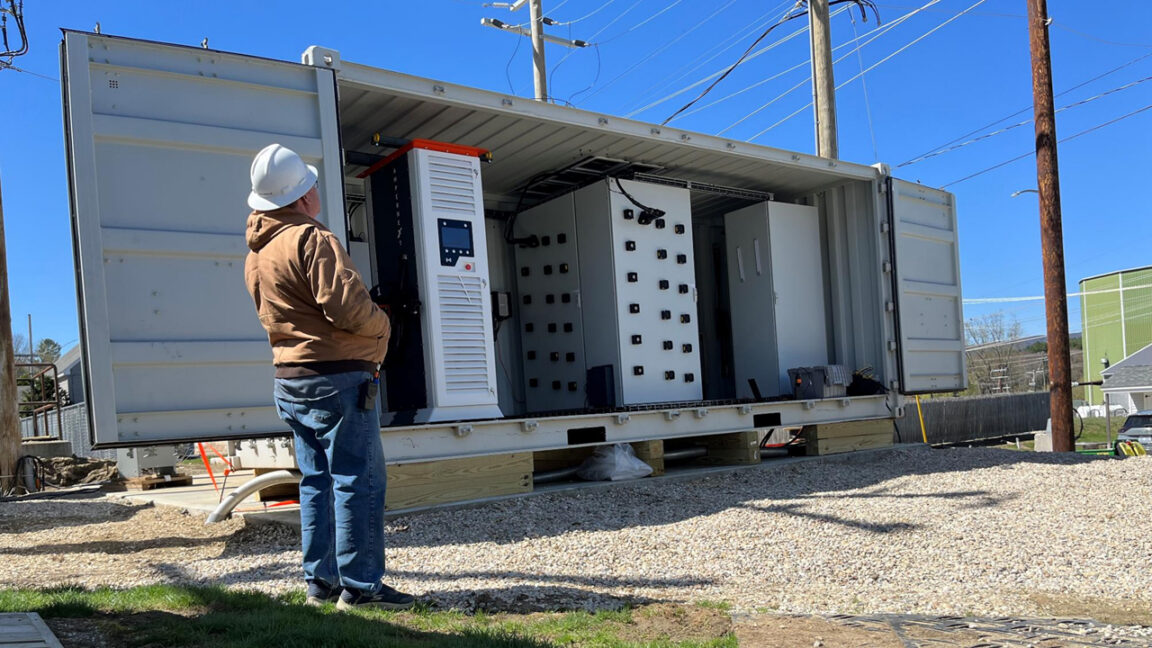
The rapid expansion of AI data centres is accelerating the commercialisation of solid-state power transformers, a technology that replaces conventional 19th-century designs with modern power electronics. These devices use high-frequency semiconductor switching to convert alternating current to direct current, offering smaller footprints, mass-manufacturability, and modular upgrades.
Conventional power transformers rely on technology dating back to the 1880s, involving copper wire coils wound around a steel core. Because the largest units are custom-built rather than mass-manufactured, manufacturing constraints have led to delivery delays of up to several years for utility companies. This bottleneck not only hampers grid expansion but also slows the replacement of ageing infrastructure.
In contrast, solid-state transformers can be mass-manufactured using semiconductor materials such as silicon carbide. They are physically smaller and lighter, with modular designs that enable easier upgrades and replacements. This technology aligns with the growing adoption of direct current power architectures in data centres to support energy-intensive AI chips, allowing for direct AC-to-DC conversion without separate electrical devices.
US companies including Amperesand, Heron Power, and DG Matrix have collectively raised more than US$280 million in funding over the past year to commercialise the technology. This capital injection reflects the sector's view that data centres represent the primary driver for the technology's immediate adoption.
North Carolina State University has demonstrated a prototype solid-state transformer capable of handling up to 1 megawatt of power for electric vehicle charging. The prototype, which measures approximately one by 1.5 by two metres, has been testing at the Electric Power Research Institute in Lenox, Massachusetts, since May 2026. It is scheduled to return to the university in September 2026 after months of testing in summertime conditions.
The demonstration, a collaboration with the New York Power Authority that began in 2018, highlights the potential for the technology to reduce copper usage and simplify infrastructure. While engineering and commercialisation challenges remain, successful adoption in data centres could help derisk the technology for broader applications, including electric vehicle charging and residential power distribution.