Agri-commodity surge sets stage for sharper grocery inflation in 2027
A one-month rally in corn, sugar, wheat, and soybeans is expected to push retail food prices higher by the second quarter of next year, according to analysts.
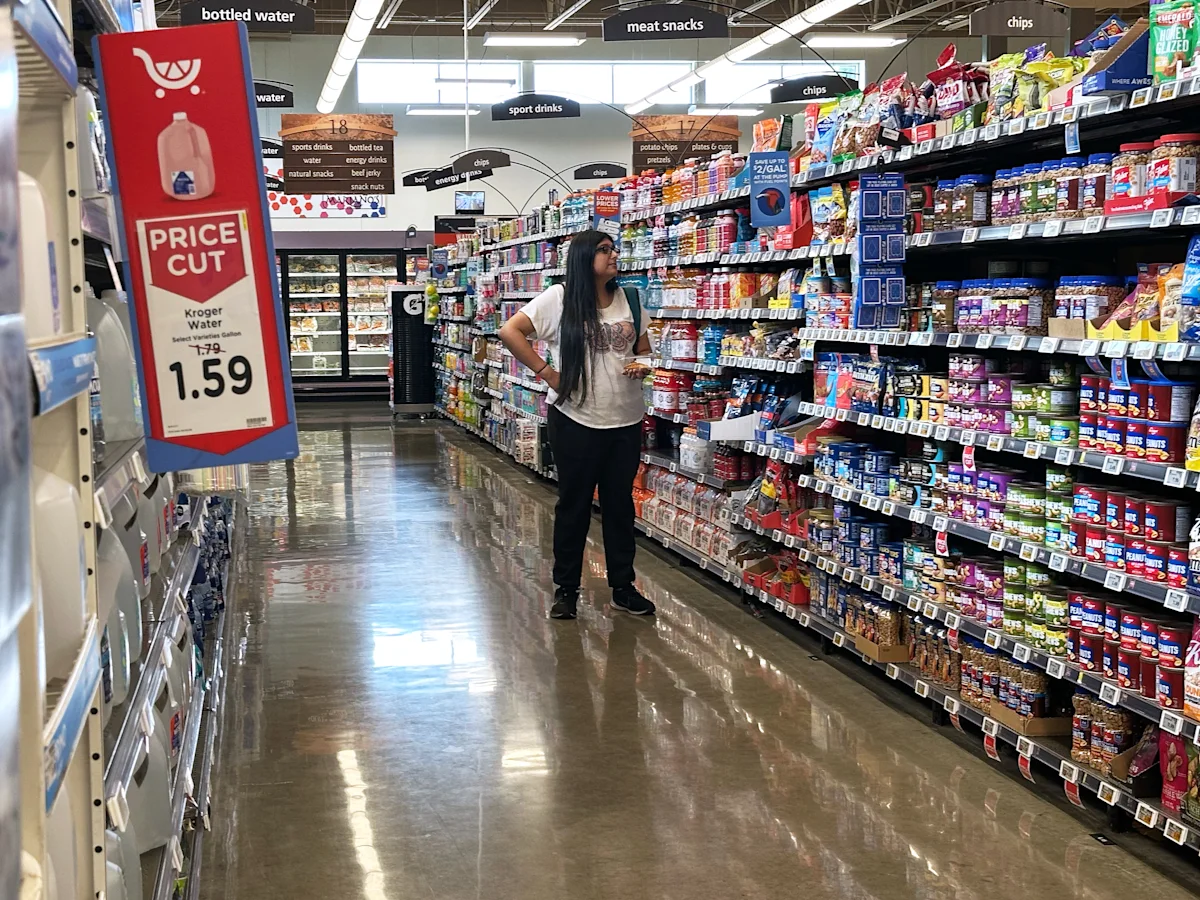
A significant surge in key agricultural commodities over the past month is poised to accelerate grocery price rises, with analysts predicting higher retail costs by the second quarter of 2027. The rally, driven by geopolitical tensions, shipping disruptions in the Middle East, and adverse weather patterns such as El Niño, has seen corn, sugar, wheat, and soybean prices climb sharply.
According to data cited by Deutsche Bank, August marked a particularly strong period for agricultural futures. Corn prices gained more than 23%, representing its largest monthly jump in five years, while sugar climbed over 21%, its biggest one-month advance since 2018. Wheat prices rose 20% and soybean prices increased by 13% during the same period, as noted in reporting by Yahoo Finance.
The translation of these input costs into consumer prices is not immediate. Agricultural commodities are typically purchased one to two quarters before they are delivered and processed into finished products, creating a price-movement lag. Arif Gasilov, partner at Gasilov Group, a sustainability consulting firm, told Yahoo Finance that he believes retail price increases will be visible by the second quarter of 2027, perhaps slightly earlier or later.
Shipping disruptions, including the continued closure of the Strait of Hormuz, are compounding the issue by pushing up costs repeatedly across the supply chain. Gasilov noted that these disruptions affect everything from fertiliser at the farm to the trucks and refrigerated warehouses required for transport. Meanwhile, Amanda Rastovic, senior forecast analyst at Expana, highlighted that food companies gradually pass higher input costs down the supply chain.
Current inflation data indicates that food prices increased 3.4% in July from the previous year. The food at home index rose 3% on an annualised basis, while food away from home jumped 2.7%. Mike McGlone, senior commodity strategist for Bloomberg Intelligence, described the situation as a "very unusual combination of bullish factors," citing geopolitics, excessive rainfall affecting corn crops, and increased demand for renewable fuels.
Additional demand pressures include China importing massive quantities of US soybeans to feed its livestock and supply its domestic market. However, McGlone suggests that a sudden drop in crude oil prices could remove a key driver of the current rally, as oil remains a final pillar for keeping grain and bean prices elevated. He also argues that high prices will spur major competitors like Brazil to expand supply in 2027, which could ultimately push grain prices back toward baseline levels.