Africa Shield workshop targets CBRN security as development accelerates
Over 100 officials convened in Tunisia to address the proliferation risks associated with chemical, biological, radiological, and nuclear materials essential to Africa’s expanding industrial and healthcare sectors.
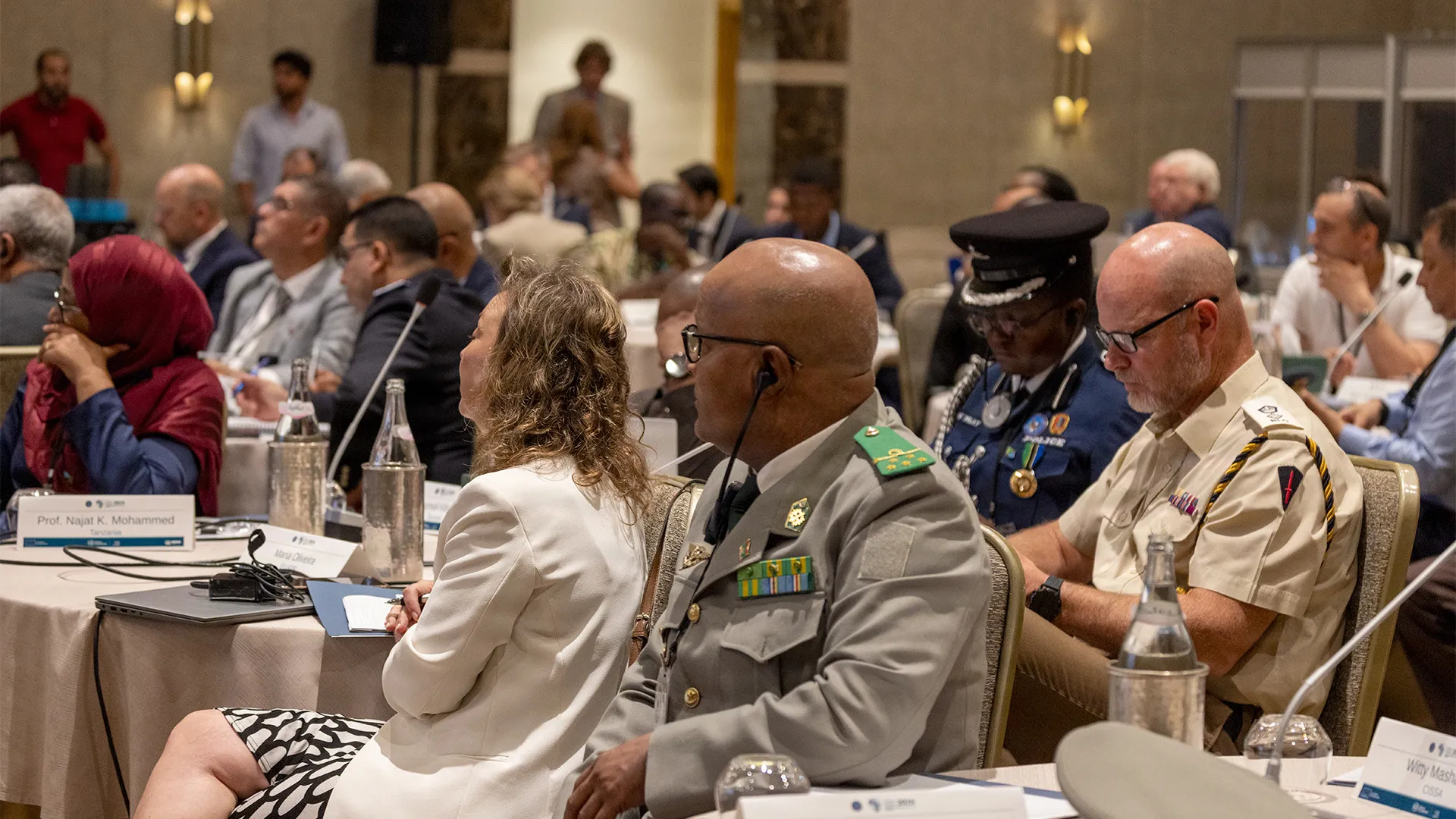
The Africa Shield 2026 Regional Counterproliferation Workshop, held in Tunis from July 14 to 16, brought together more than 100 participants, including law enforcement officials, military representatives, and policymakers, to address the security of chemical, biological, radiological, and nuclear (CBRN) materials. Organised by the US Defence Threat Reduction Agency’s International Counterproliferation Program in partnership with the European Union and the United Nations Interregional Crime and Justice Research Institute, the event marked a strategic pivot in regional security policy. The focus has shifted from traditional counter-terrorism and armed conflict responses to managing the vulnerabilities inherent in Africa’s rapidly industrialising economy.
As healthcare systems expand and mining operations grow, the continent is managing increasing quantities of sensitive materials essential for development. These include radioactive sources used in cancer treatment, chemicals in manufacturing, and biological materials in laboratories. While these substances are predominantly used safely, experts warn that weak regulation or inadequate oversight can allow them to be diverted for criminal or malicious purposes. The workshop aimed to strengthen governments’ capacity to prevent, detect, and respond to these risks, aligning with United Nations Security Council Resolution 1540, which mandates states to prevent non-state actors from acquiring weapons of mass destruction and related materials.
Major Brittany Brown, coordinator of the DTRA’s Global Threat Reduction Africa Region Counter Weapons of Mass Destruction Program, described the initiative as a critical multilateral investment. She noted that the programme enables African countries to demonstrate ownership of the counterproliferation problem set, moving away from long-term dependency on external partners. The discussions emphasised a practical challenge: ensuring that security systems develop alongside the industries that depend on them. This represents a move from responding to incidents after they occur towards preventing vulnerabilities before they are exploited through stronger border controls and export monitoring.
The event took place in Tunisia, a country positioned at the intersection of major trade and transport routes between North Africa, the Mediterranean, and the Sahel. As these networks become more interconnected, the same corridors that facilitate commerce can be exploited to move controlled materials across borders. The expansion of trade under the African Continental Free Trade Area adds complexity, requiring governments to strengthen security measures without creating barriers that hinder legitimate investment. Participants discussed the need for closer coordination between regulators, border agencies, and security services to manage these transnational challenges.
Despite existing legal frameworks in many African countries, implementation remains uneven due to shortages of funding, specialised personnel, and modern equipment. Phil Efe Benard, country director of the African Chamber of Content Producers in Nigeria, highlighted that monitoring shipments and sharing intelligence are daily struggles compounded by limited resources. He argued that building indigenous intelligence and forensic capacity is essential to ensure partnerships are built on African capability rather than dependency. The consensus among attendees was that economic development and security must mutually reinforce each other, requiring sustained investment in robust regulatory systems to prevent the diversion of materials essential for progress.