Afghanistan’s hidden femicide crisis: poverty and policy erode women’s rights
Rights groups and UN reports warn that institutionalised discrimination and a flawed criminal code are concealing lethal violence against women in Afghanistan.
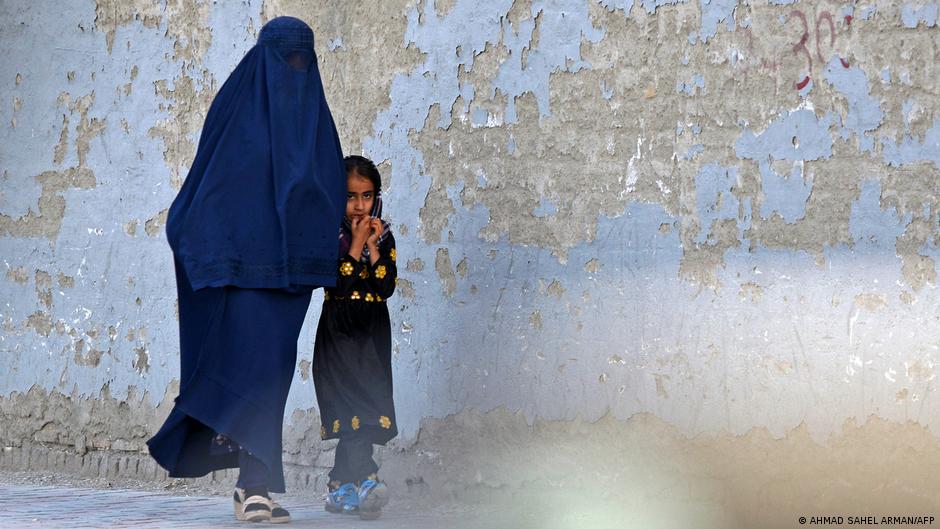
Deepening poverty and Taliban-imposed restrictions on women’s rights are driving a surge in domestic violence and femicide across Afghanistan, with cases increasingly concealed from public record. The severe humanitarian crisis, which has left nearly half the population requiring assistance, has pushed families into survival mode, tightening dependence on male relatives and narrowing women’s options in public life.
In Ghor province, the murder of 18-year-old Farzana illustrates these converging pressures. Forensic examinations revealed clear traces of beatings and torture, leading to accusations against her husband’s sons. Local officials noted that Farzana had been married to a man in his 50s, a common outcome of economic desperation where families marry daughters to older men with financial stability, often resulting in chronic abuse behind closed doors.
The legal framework under the Taliban further complicates accountability. Rights group Rawadari has criticised the Criminal Procedure Code distributed by Taliban leader Habatullah Akhundzada, noting that it fails to explicitly prohibit most forms of violence against women. According to Rawadari, Article 32 only prescribes 15 days’ imprisonment for a husband who causes severe injury with a stick, leaving other physical, psychological, or sexual violence without clear prohibition.
Media censorship and the dominance of informal tribal justice systems prevent many cases from entering official records. A local journalist in Afghanistan stated that reporting on such cases is severely constrained, while tribal mediation often involves financial settlements and family consent, leading to the release of suspects. This informal justice mechanism persists despite official claims that the Taliban addresses complaints through courts in accordance with Islamic law.
UN reports describe an institutionalised system of discrimination that has effectively erased women from public life, depriving them of fundamental rights such as education and work. A 2025 report by the UN Special Rapporteur on Afghanistan warned of multiple preventable deaths that could amount to femicide, highlighting how social imbalance and lack of legal recourse contribute to lethal outcomes in a country where violence is becoming harder to escape and more difficult to report.