Advisers urge UK government to adopt routine teenage meningitis B vaccination
New proposal calls for one or two doses depending on infant immunisation history, with first eligible cohort turning 15 in 2030
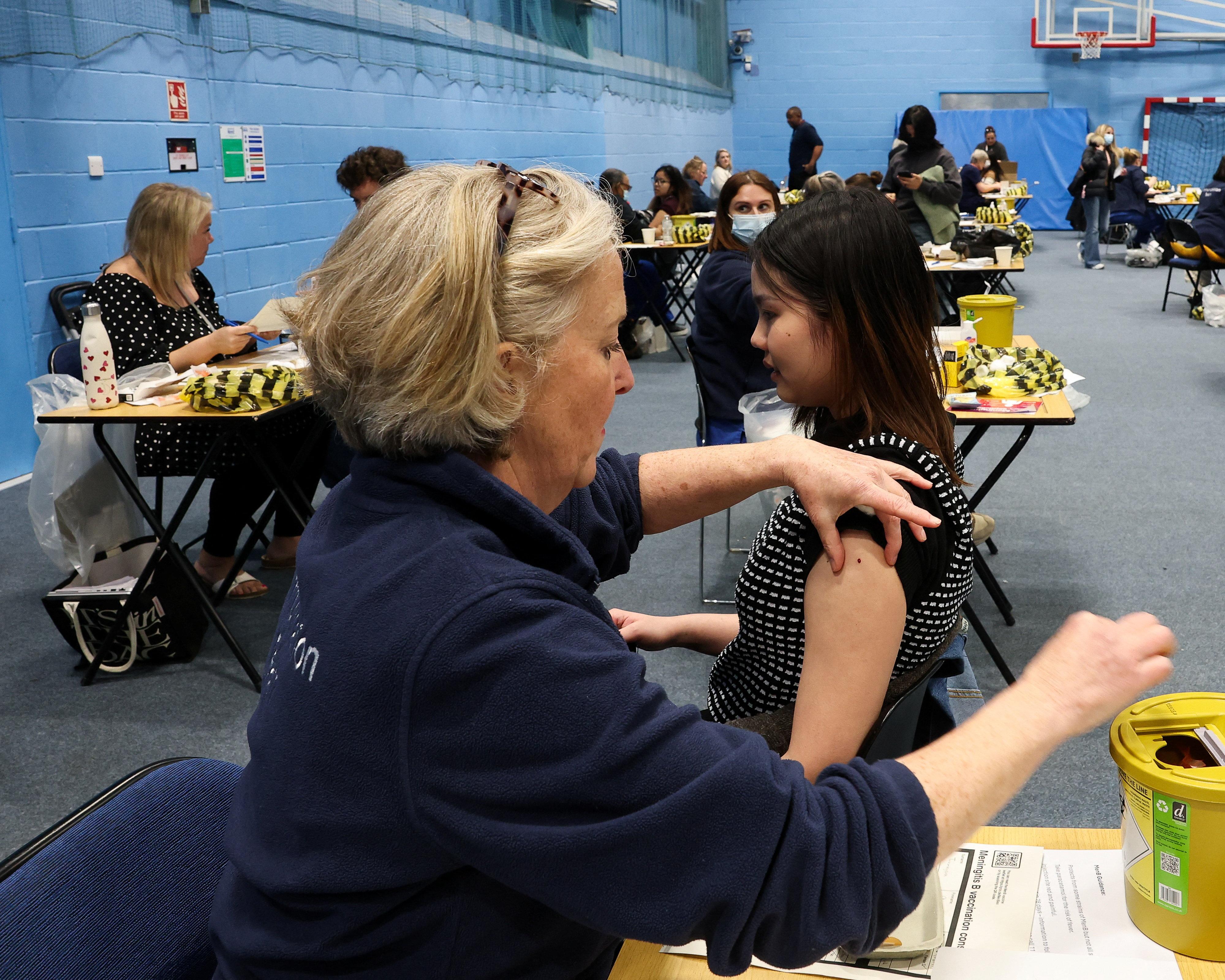
The Joint Committee on Vaccination and Immunisation (JCVI) has formally recommended that the UK government introduce a routine meningitis B vaccination programme for teenagers on the National Health Service. The advisory body suggests offering the vaccine to adolescents aged 15, with the specific dosage determined by their prior immunisation status as infants. This policy shift aims to address heightened vulnerability during adolescence and follows recent fatal outbreaks of the disease.
Under the proposed protocol, children born on or after 1 May 2015, who received the menB vaccine as babies, would be offered a single booster dose at age 15. Conversely, the committee strongly supports administering two doses to those born on or before 31 April 2015, who missed the infant vaccination programme. This two-dose regimen requires injections spaced at least 28 days apart to ensure adequate protection.
The recommendation is a direct response to recent public health incidents, most notably a serious outbreak in Kent earlier this year that resulted in the deaths of two teenagers. The campaign for routine access to the vaccine has been significantly influenced by the family of Juliette Kenny, 18, who died in the Kent incident. Her family has advocated for systemic changes to protect young people during their highest-risk period.
Implementation of this routine programme would see the first cohort of eligible teenagers turning 15 in 2030. While the Department of Health will consider the JCVI’s advice, the final decision on financial viability and delivery methods rests with each nation of the UK. The committee emphasised that catch-up mechanisms would be necessary to ensure no eligible individual misses out on protection.
This new routine recommendation operates separately from the current summer initiative, which remains in effect. That existing programme offers two doses to approximately one million Year 13 pupils and university entrants under the age of 25. Prof Wei Shen Lim, chair of the JCVI, encouraged eligible individuals to book appointments at local pharmacies to secure the second dose before commencing higher education, noting that data indicates the vaccine provides strong protection for at least five years.