Administration confidence grows on lunar return timeline as Artemis II crew welcomed back
White House officials and private sector partners remain under scrutiny regarding readiness of landers for the 2028 target
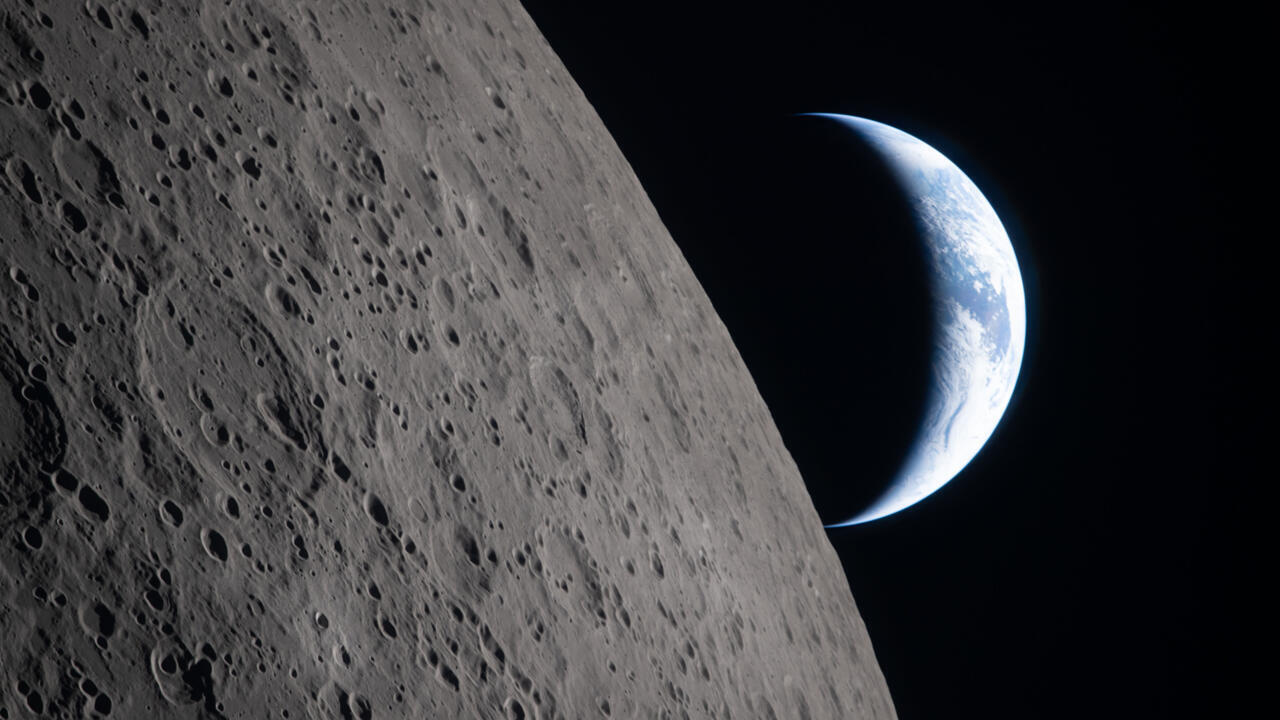
President Donald Trump has expressed optimism that NASA will return astronauts to the lunar surface before 2029, citing recent advancements in the Artemis II programme. Speaking during a gathering in the Oval Office, the President noted that the agency possesses a viable pathway to achieve its goals during his second term in office. This sentiment was delivered as he welcomed four crew members who recently completed the first crewed lunar orbit mission in more than five decades.
The four astronauts, Reid Wiseman, Victor Glover, Christina Koch, and Canadian Jeremy Hansen, were recognised for their recent journey, which took them further into space than any previous crew. Their successful completion of the orbital mission has provided the administration with a tangible milestone to reference when discussing future surface operations. However, while the President emphasised the likelihood of success, he deliberately refrained from offering an absolute guarantee.
In his remarks, Trump explained that avoiding a definitive commitment allows the administration to sidestep the political implication of failure should the target not be met by the start of 2029. He stated that while the agency has a shot at the goal, declaring it a certainty would create an admission of defeat if the deadline is missed. This cautious phrasing reflects a strategic approach to managing expectations regarding the timeline for a return to the Moon.
The United States government is currently targeting a crewed lunar landing in 2028, a schedule that relies heavily on lunar landers being developed by private companies SpaceX and Blue Origin. Despite the administration's confidence, experts remain sceptical about whether these vehicles will be fully operational by the required date. The reliance on commercial partners introduces variables that the official timeline has yet to fully resolve.
At the White House event, NASA Administrator Jared Isaacman confirmed to the President that the agency holds an achievable plan to return to the Moon. During the proceedings, Trump also inquired whether a sitting president could participate in a future lunar mission, prompting Isaacman to indicate that work could commence on that possibility. The presence of Isaacman underscored the agency's commitment to outlining a clear path forward despite external doubts.
International competition remains a significant factor in the broader context of lunar exploration. While the US focuses on its 2028 landing target, China is advancing its own programme with an aim to land astronauts on the lunar surface by 2030. The juxtaposition of these national strategies highlights the intensifying geopolitical dimension of space exploration in the coming years.