Administration claims War Powers clock paused by Iran ceasefire; lawmakers dispute legal interpretation
A sharp legal and political divide has emerged over whether a temporary cessation of air attacks resets the constitutional timeline for congressional approval of the US-Israel war on Iran.
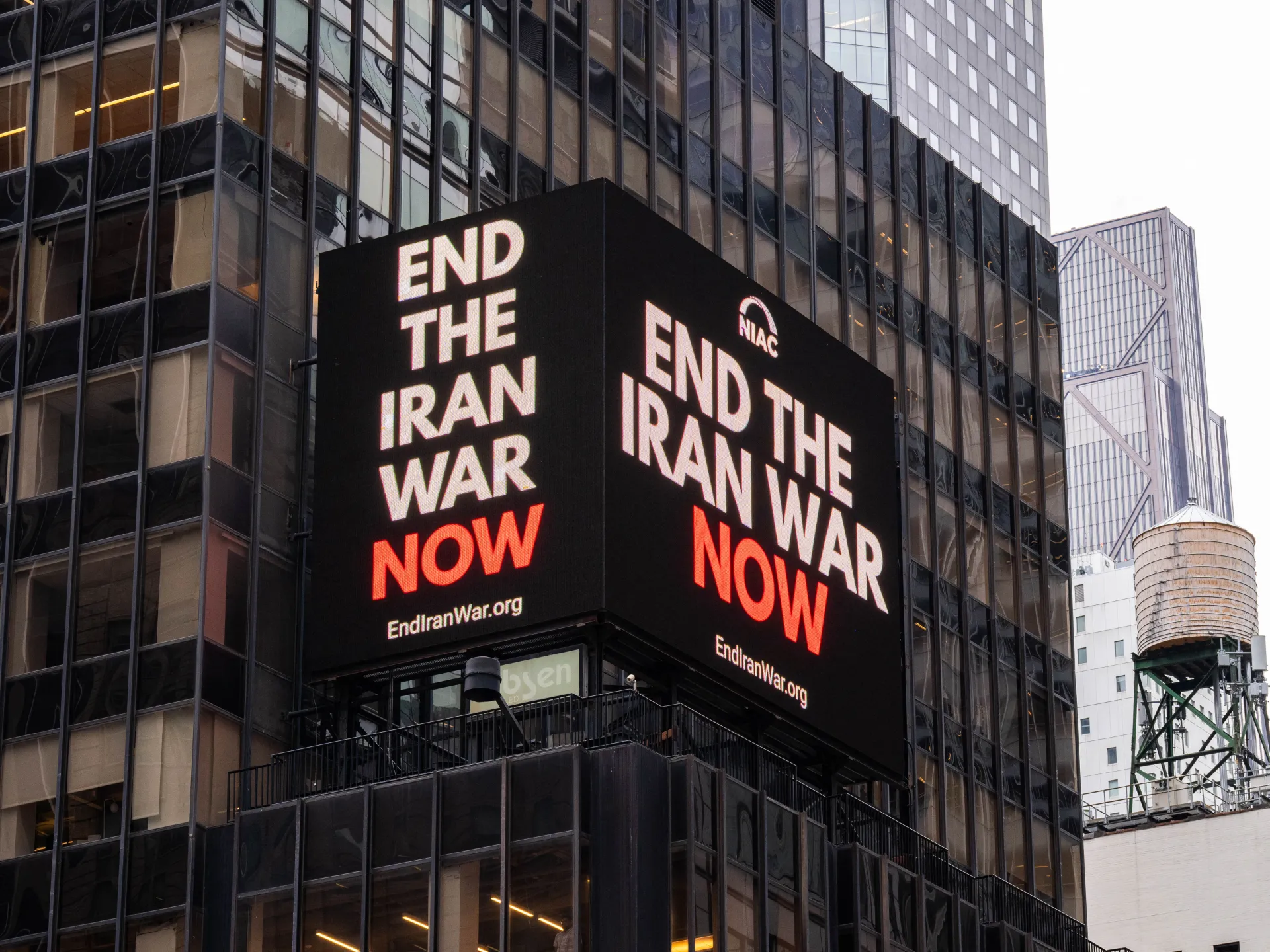
The Trump administration has asserted that the 60-day deadline under the War Powers Resolution to secure congressional approval for the US-Israel war on Iran has been effectively paused following a ceasefire with Tehran. Defence Secretary Pete Hegseth testified before the Senate Armed Services Committee on Thursday, stating explicitly that the statutory clock stops during a pause in fighting. This position relies on the administration's claim that hostilities, which commenced on 28 February, have terminated for legal purposes after 7 April because no exchange of fire has occurred between US Armed Forces and Iran since that date.
However, this interpretation is being strongly contested by Democratic lawmakers and legal experts who argue the statute contains no provision allowing for a pause once the countdown has started. Senator Tim Kaine rejected the administration's reading of the law, stating he does not believe the War Powers Resolution supports the idea that the clock can be halted. Senator Adam Schiff further challenged the argument, noting that while air raids have ceased, US forces remain active in the region, meaning the conditions for a full cessation of hostilities are not met.
The core of the dispute lies in the definition of "hostilities" and the status of US military operations in the Strait of Hormuz. Although direct attacks between the two nations have largely halted since the ceasefire formalised on 8 April, US forces continue to conduct naval blockades and seize vessels in the strait. On 20 April, the US military fired on and seized the Iranian-flagged container ship Touska, while Tehran subsequently captured two foreign commercial vessels. These ongoing activities form the basis for the opposition's view that the legal obligation to seek congressional authorisation remains in force.
In response to the looming deadline, which expires on 1 May, some within the administration have suggested alternative legal pathways to avoid a direct confrontation with Congress. Richard Goldberg, a former National Security Council director, recommended transitioning the current operation, known as Operation Epic Fury, to a new mission he suggested calling "Epic Passage". This proposed shift would reframe the operation as one of self-defence focused on reopening the strait, thereby attempting to bypass the specific requirements of the War Powers Resolution.
Despite these internal manoeuvres, the legislative body remains deeply divided on the issue of presidential war-making powers. On Thursday, a sixth Senate bid to curb the President's authority under the War Powers Resolution was defeated by a vote of 50-47 along party lines. While nearly all Republicans voted against the measure, Senator Susan Collins of Maine broke ranks to side with Democrats. Collins emphasised that the 60-day deadline is a requirement, not a suggestion, underscoring the statutory limits on the President's authority as commander-in-chief.
Legal scholars warn that the administration's interpretation could undermine the intent of the 1973 legislation, which was designed to restrict presidential war-making powers following the Vietnam War. Bruce Fein, a constitutional law expert, argued that the resolution never states the deadline stops if there is a ceasefire, describing the administration's approach as turning the law into a "paper tiger". He noted that President Trump has not sought a formal declaration of war from Congress, suggesting he anticipates losing such a vote despite holding majorities in both chambers.