Academy of Motion Picture Arts and Sciences introduces new eligibility rules barring AI actors and writers from Oscars
While the use of artificial intelligence in film production remains permitted, the Academy of Motion Picture Arts and Sciences has issued the first explicit regulations excluding AI-created actors and writers from qualifying for Oscars.
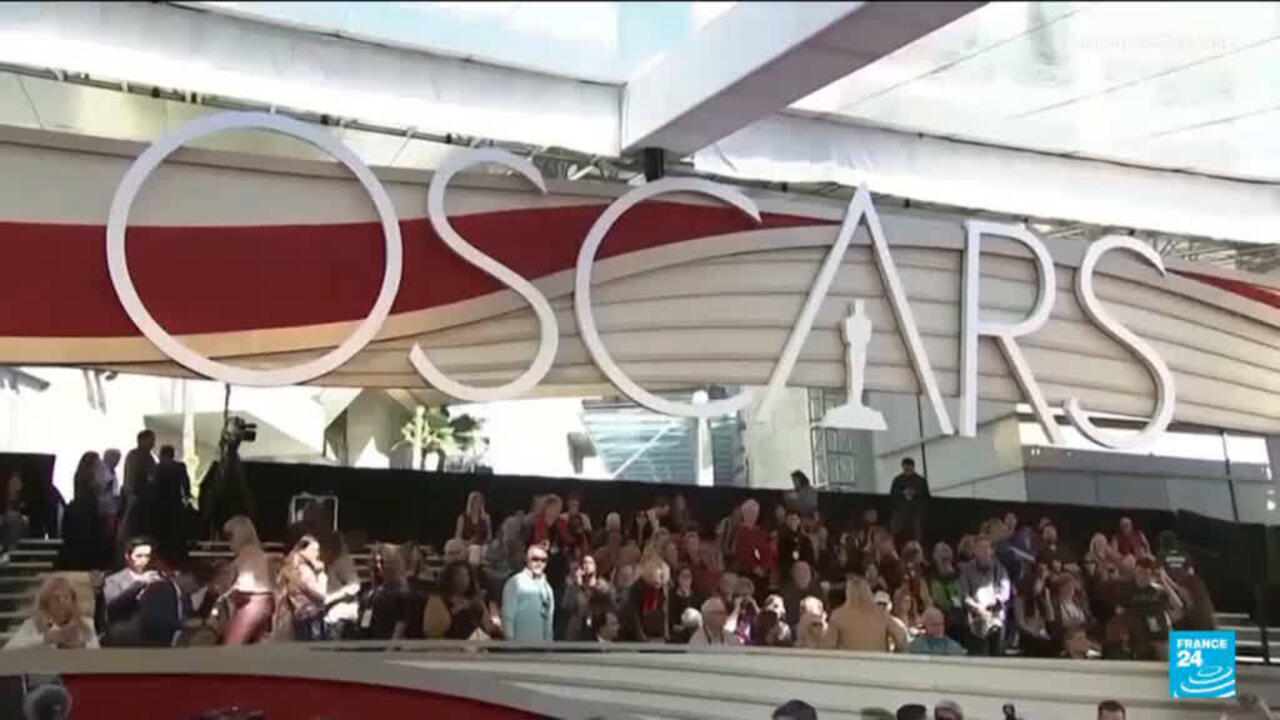
The Academy of Motion Picture Arts and Sciences has implemented new regulations that explicitly prohibit actors and writers generated by artificial intelligence from qualifying for Oscars. This regulatory shift marks the first instance where the Academy has formally addressed the use of artificial intelligence within its eligibility guidelines, establishing a clear boundary between human and synthetic creative contributions for award consideration.
Although the new framework allows for the continued use of artificial intelligence in film production, the specific prohibition targets the qualification of AI-generated individuals for the prestigious awards. Under these updated rules, while an AI-created entity may still write a script or appear in a performance, such contributions are excluded from the nomination and award process. The institution has clarified that films themselves may still utilise these technologies, provided the specific AI-generated actors or writers do not seek to qualify for the accolades.
This decision comes as a direct response to the deep industry concerns regarding the role of artificial intelligence in creative processes, which reached a critical point during the 2023 Writers Guild of America strike. The role of artificial intelligence was identified as one of the central issues behind the industrial action several years ago, prompting the Academy to finally intervene with formal policy changes to address the friction between traditional creative rights and emerging technology.
The introduction of these rules signifies a pivotal moment in how the film industry governs the intersection of technology and art. By explicitly banning AI actors and writers from Oscar qualification, the Academy of Motion Picture Arts and Sciences is attempting to preserve the human element of the creative process within the highest echelons of cinematic recognition. This move ensures that the awards remain tied to human achievement, even as the tools used to create films continue to evolve.
However, the specific technical definitions of what constitutes an "AI actor" or "AI writer" within these new rules are not detailed in the current announcement. Furthermore, the extent to which hybrid works involving collaboration between human and artificial intelligence are treated differently under this framework remains unspecified. These ambiguities suggest that further interpretation may be required as the industry adapts to the new regulatory landscape.
The Academy of Motion Picture Arts and Sciences has thus set a precedent for how major cultural institutions may regulate the impact of artificial intelligence on traditional metrics of success. While the ban does not halt the production of AI-assisted films, it draws a firm line at the point of award eligibility, effectively removing synthetic talent from the competitive arena for the Oscars.